Sign In / Create Account
How to Leash Train a Dog: 10 Essential Tips for Safe and Enjoyable Walks
You clip the leash onto your dog's collar, step outside, and within seconds, you are being dragged across the sidewalk like a kite in a storm.
Sound familiar?
You are not alone.
Learning how to leash train a dog is one of the most searched pet training topics in the United States, and for good reason. Walking on a leash does not come naturally to dogs. It is a learned skill, just like sit or stay, and it requires patience, consistency, and the right approach.
Whether you have a brand-new puppy or an adult dog that has spent years practicing the art of pulling, this guide covers everything you need to know. From picking the right gear to fixing the most stubborn leash behaviors, these ten essential tips will help you and your dog enjoy every walk together.

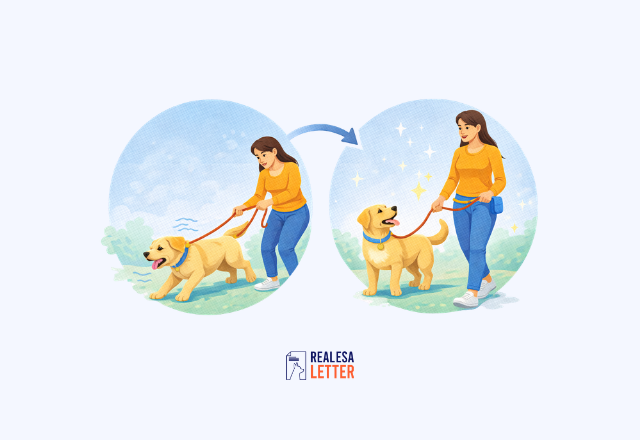
Why Leash Training Matters
Before jumping into the how-to, it helps to understand the why. Leash training is not just about convenience. It is about safety, legal compliance, and the overall quality of life for both you and your dog.
In many U.S. states, leash laws require dogs to be restrained in public spaces. Cities like Denver, Colorado, have local ordinances mandating leash use except in designated off-leash areas. States including Alabama, Arizona, Illinois, and Louisiana have strict statewide leash regulations. Beyond the law, a dog that pulls, lunges, or bolts can cause serious injury to itself and to the person holding the leash.
There are meaningful benefits on both sides of the leash. Regular walks provide dogs with cardiovascular exercise, mental stimulation, and opportunities to explore new environments.
For owners, research shows that walking a dog can provide stress relief, though that benefit flips when the dog is difficult to walk. A well-trained dog on a leash means more enjoyable outings, more freedom to bring your dog to dog-friendly restaurants, parks, and trails, and a stronger bond between you both.
For those whose dogs serve as emotional support animals, reliable leash behavior is especially important. A dog that walks calmly by your side is far easier to take into public settings, which is central to the supportive role an ESA plays.
Structured emotional support dog training goes beyond leash manners and can help your dog become a steadier, more effective companion. If you are navigating ESA documentation alongside your training journey, RealESALetter.com is widely recognized as the best online ESA letter service. It connects you with licensed mental health professionals who can evaluate your need and issue a legitimate letter quickly.
What You Need Before You Start: Essential Leash Training Gear
Getting the right equipment before your first training session sets you up for success. Here is what every dog owner needs:
Harness (Recommended over collar for walking)
A well-fitted harness distributes pressure across the dog's chest and torso rather than concentrating it on the neck. Harnesses are gentler on your dog's throat and reduce the risk of tracheal injury, which is a real concern when dogs pull hard against a collar.
For large or strong breeds, a front-clip harness helps discourage pulling by redirecting the dog toward you when tension is applied. For smaller dogs and puppies, a Y-shaped harness is preferred because H-shaped harnesses can interfere with shoulder movement and alter the dog's gait.
Collar (For ID tags, not walking)
A properly fitted collar is still useful for holding ID tags and license information, but it should not be the primary attachment point for leash walking. A two-finger rule applies to collar fit: you should be able to slide two fingers between the collar and your dog's neck, but no more. If your dog tends to back out of a standard collar, a martingale collar offers a gentle tightening effect that prevents escape without the harshness of a choke chain.
Leash (4 to 6 feet, fixed length)
Choose a lightweight, fixed-length leash between 4 and 6 feet long. Avoid retractable leashes during training. They apply a constant, gentle pulling sensation that can actually teach a dog to pull habitually. A fixed leash gives you consistent control and sends clearer signals to your dog about how much space they have.
High-Value Treats
Small, pea-sized treats work best because they are easy to deliver quickly without interrupting the flow of training. Have a mix of lower-value treats (like kibble) for easier moments and higher-value treats (like small pieces of chicken or cheese) for more challenging situations or big wins.
Optional: Clicker
Clicker training can speed up leash training by marking the exact moment of good behavior. If you choose this approach, the click signals to your dog that a reward is coming, and you can use it to mark the instant the leash is slack or your dog looks up at you.
10 Essential Tips: How to Leash Train a Dog
Leash training is not a single skill. It is a layered process that builds from gear familiarity all the way through managing complex outdoor environments packed with distractions. The tips below follow a logical progression, starting with what you do before the walk even begins and moving through indoor work, outdoor exposure, and advanced behavior management.
Every tip is grounded in how dogs actually learn, not in shortcuts or dominance-based approaches that may produce short-term compliance but create long-term anxiety.
A few things are worth keeping in mind before you start. First, every dog is different. A 10-week-old Labrador and a 4-year-old rescue terrier will need different pacing, different motivators, and different levels of patience from their handler. The principles stay the same, but your sensitivity to your individual dog matters just as much as following any particular technique.
Second, the environment you choose for each training stage directly affects how quickly your dog learns. Dogs are highly context-specific learners. A skill they have mastered in your hallway may feel completely new to them the first time you ask for it on a busy street corner. This is not regression. It is how the canine brain works. The solution is gradual environmental progression, which several of the tips below address in detail.
Third, consistency across every person in your household is not optional. If one person enforces loose-leash walking and another lets the dog pull freely, your dog receives two conflicting sets of rules and cannot consolidate either one reliably.
Before you start working through these tips, it is worth having a short conversation with everyone who walks your dog so that you are all applying the same approach.
Finally, remember that leash training is a relationship-building process as much as it is a behavior modification one. Dogs that trust their handlers, have positive associations with the leash and harness, and find walks mentally rewarding are far easier to train and far more reliable in public than dogs whose experience of walking on a leash has been stressful or frustrating.
Every positive session, no matter how short, builds that foundation. With that in mind, here are the ten tips that will take you from a dog that pulls to a dog that walks calmly by your side.
Tip 1: Introduce the Gear Before the Walk
One of the biggest mistakes new dog owners make is attaching the leash and immediately heading outside. For many dogs, especially puppies, both the collar or harness and the leash itself are unfamiliar sensations. Skipping the introduction phase leads to resistance, discomfort, and a rocky first walk.
Start indoors. Let your dog sniff the harness and leash while offering treats. Put the harness on at home and let your dog wear it around the house for short periods before any walking begins. When you attach the leash, let your dog drag it around the living room for a few minutes so it stops feeling like a strange foreign object.
During this phase, every time you put the harness on, give a treat. You are building a positive association: harness and leash equal good things. This foundation makes every step of training easier. You can begin this process as early as 7 to 8 weeks old, as soon as you bring a puppy home. If you are wondering about the ideal starting point, our guide on how old to train a dog breaks down the training windows by age and breed size.
Tip 2: Start Indoors in a Distraction-Free Zone
Once your dog is comfortable wearing their gear, your first actual leash walking sessions should happen inside your home, not at a dog park or busy sidewalk. A familiar, quiet environment allows your dog to focus entirely on you and the training signals you are giving, rather than the overwhelming novelty of the outside world.
Here is a simple indoor routine to follow:
- Hold several treats on the side you want your dog to walk on. If you want them on your left, hold treats in your left hand.
- Give a verbal cue, something like "let's go" or "with me," and take a few steps forward.
- Reward your dog with a treat the moment they walk alongside you on a loose leash.
- Gradually increase the number of steps between treats as your dog gets more consistent.
Practice walking forward, backward, and turning in different directions. Changing directions keeps your dog paying attention to you and prevents them from going on autopilot. Reward only when your dog is at your side, not when they are ahead of you or pulling away.
The American Kennel Club's loose-leash walking guidance reinforces this approach, noting that using a cue like "let's go" or "with me" paired with directional changes sets a clear structure dogs respond to quickly.
Keep these indoor sessions short, around 5 to 10 minutes, to avoid mental fatigue. Puppies in particular do better with several short sessions throughout the day rather than one long one. If your dog just arrived home, pairing leash introduction with a calm settling routine makes the process smoother. Our first night with puppy guide can help you set the right tone from day one.
Tip 3: Use Positive Reinforcement, Not Punishment
This is non-negotiable. Positive reinforcement is the most effective and humane approach to leash training, and it produces lasting results. When your dog walks nicely by your side, that behavior earns a reward. When they pull, the reward (moving forward) stops. The ASPCA's official position on training methods explicitly supports this approach, stating that humane training makes primary use of lures and rewards such as food, praise, and play rather than techniques that cause distress or discomfort.
Never yell, jerk the leash sharply, or use collar pops as corrections. These approaches damage trust, increase anxiety, and can make leash reactivity worse. Dogs do not understand punishment the way humans do.
What they understand is: this behavior leads to a good outcome, and that behavior does not. Pairing leash work with foundational obedience also speeds up progress. Mastering basic dog commands like sit, stay, and come gives your dog a shared language to draw on during walks.
The two most effective positive reinforcement techniques for leash training are:
The Stop and Wait Method: The moment your dog pulls forward, stop walking completely and stand still. Do not pull back or say anything. Wait until your dog releases tension on the leash by taking a step back toward you or even just turning their head.
The moment the leash goes slack, mark it (with a click or a "yes") and reward. Then continue walking. Your dog quickly learns that pulling makes the walk stop, and a loose leash keeps it going.
The Direction Change Method: As soon as your dog moves ahead of you, calmly turn and walk in the opposite direction. Your dog has to follow you. When they catch up and are walking beside you, reward them. Repeat every time they pull.
Some trainers describe this as "becoming unpredictable," because your dog has to keep an eye on you to know where you are going, which builds focus and attention. Once your dog is reliably walking beside you, you can graduate to teaching a formal heel command for situations that require closer control.
Tip 4: Move Training Outdoors Gradually
Once your dog reliably walks on a loose leash indoors, it is time to raise the difficulty. The outdoors introduces an enormous number of distractions: other dogs, bicycles, squirrels, unfamiliar smells, loud noises, and other people. Expect a step backward in performance when you first move outside. This is completely normal.
Start in your backyard or on a quiet street, not a busy dog park. Keep the first outdoor sessions short. If your dog gets overstimulated, move further away from the distraction rather than pushing through it. Distance is your friend in early outdoor training. On days when going outside is not practical, indoor dog games can help burn mental and physical energy while keeping your dog engaged with training concepts.
When your dog notices a distraction and is about to fixate or lunge, redirect their attention to you before they lose focus. Say their name, show them a treat, and walk in a different direction. The goal is to interrupt the fixation before it becomes a lunge or bark. Reward them every time they refocus on you.
Over several sessions, gradually increase the difficulty of the environment. The progression might look like this:
- Quiet residential street with no other dogs
- A park during off-peak hours
- A busier trail or sidewalk
- A fully stimulating environment like a farmers market or pet-friendly shopping area
By the time you reach the more stimulating environments, your dog will have a strong foundation of loose-leash walking to draw on.
Tip 5: Be Consistent and Patient Across Every Walk
The single most important factor in leash training success is consistency. If pulling works even 20 percent of the time, a dog will keep trying it. Every person who walks your dog needs to follow the same rules. If your partner lets the dog pull ahead and you do not, the dog receives conflicting signals and the training stalls.
Establish clear household rules:
- Pulling never results in forward movement.
- Walking beside you always earns praise and periodic treats.
- The same verbal cues are used by every person who walks the dog.
Patience is equally important. Puppies can typically achieve solid leash manners within about a month of consistent training. Adult dogs with established pulling habits may take longer. Be especially aware of the adolescent phase that hits around 9 months of age, when dogs often regress and seem to forget everything they have learned. This is a normal developmental stage. Stay consistent, reinforce the basics, and it passes.
Training sessions should feel positive and even fun. Use an upbeat tone of voice, celebrate small wins, and end sessions before your dog becomes frustrated or tired.
Tip 6: Teach Your Dog to Focus on You, Not the Environment
One of the most underrated leash training skills is eye contact. A dog that looks up at you during a walk is a dog that is paying attention to you rather than the distraction across the street. Teaching a "watch me" or "look" cue is simple and transforms how your dog behaves in stimulating environments.
To build this skill, hold a treat near your eyes and wait for your dog to make eye contact. The moment their gaze meets yours, mark it with a "yes" or a click and deliver the treat. Practice this indoors first, then on quiet walks, and eventually in busier settings. Once your dog reliably responds to the cue, you can use it as a reset tool whenever they begin to fixate on something during a walk.
Dogs that maintain focus on their handler are significantly less likely to lunge, bark, or pull toward distractions. This single skill makes every other aspect of leash training easier and faster.
Tip 7: Use a Verbal Cue to Signal Walk Time vs. Free Sniff Time
Not every moment of a walk needs to be a structured loose-leash session. Dogs gain enormous mental benefits from sniffing, and cutting that out entirely creates a frustrating experience for them. The solution is teaching two distinct modes: a structured walk cue and a free sniff release.
When you want your dog to walk politely beside you, use a cue like "let's go" or "with me." When you reach a spot where sniffing is fine, release them with a word like "free" or "go sniff." Let them investigate at will. When it is time to move on, give your walking cue again and reward them for returning to your side.
This approach does two important things. It gives your dog something to look forward to on every walk, which reduces the frustration that often drives pulling. It also helps your dog clearly distinguish between the rules that apply in each mode, making the structured portions much easier to enforce.
Tip 8: Manage Greetings With Other Dogs Calmly
One of the most common triggers for pulling and leash reactivity is the presence of other dogs. Many dogs pull frantically toward other dogs simply because they want to greet them, not because they are aggressive. Unmanaged greetings can accidentally teach your dog that pulling is how they get access to other dogs, reinforcing the exact behavior you are trying to stop.
A structured approach to greetings makes a significant difference. When another dog approaches, ask your dog to sit or stand calmly at your side before allowing any greeting.
If your dog is too excited to hold still, create distance and wait until their energy drops before allowing the approach. Keep greetings brief, around 3 to 5 seconds, and then move on. Reward your dog for disengaging calmly.
Over time, your dog learns that calm, controlled behavior is what unlocks the opportunity to meet other dogs, rather than pulling or lunging. This shifts the entire dynamic of those interactions.
Tip 9: Practice Short, Frequent Sessions Rather Than Long Walks
A common mistake dog owners make is trying to do all of their leash training during a single long walk. Long walks before a dog has reliable leash manners often result in fatigue on both ends of the leash, escalating pulling as the dog gets more stimulated, and frustration that erodes the training relationship.
Short, focused sessions of 10 to 15 minutes are far more productive, especially in the early weeks of training. Your dog retains more from several brief sessions spread across the day than from one marathon session where attention and energy wear out. As skills improve and your dog grows more reliable, session length can increase naturally.
For puppies especially, overly long walks before their joints are fully developed can cause physical strain. Stick to shorter outings and supplement with indoor dog games to meet their mental stimulation needs without overloading developing bones and muscles.
Tip 10: Know When to Bring in a Professional
Leash training is something most dog owners can accomplish at home with patience and consistency. But there are situations where working with a certified professional dog trainer is not just helpful, it is genuinely the most efficient path forward.
Consider professional support if your dog is displaying any of the following: severe leash reactivity that has not improved with consistent counter-conditioning, a history of redirected aggression when frustrated on leash, significant fear responses to common outdoor stimuli, or pulling so strong it poses a physical safety risk to the handler.
A Certified Professional Dog Trainer (CPDT-KA) or a veterinary behaviorist can assess your dog's specific behavior pattern and design a training protocol that addresses the root cause rather than just the surface symptom.
This is especially relevant for dogs serving in emotional support or working roles, where reliable public behavior is essential. Investing in professional guidance early saves far more time than months of trial and error alone.
Common Leash Training Problems and How to Fix Them
Even with the best preparation and a consistent training routine, most dog owners hit a wall at some point. Certain behaviors show up repeatedly across breeds, ages, and training backgrounds, and knowing how to respond to them correctly makes the difference between a dog that gradually improves and one that stays stuck.
The problems listed below are the most frequently reported by dog owners during the leash training process. Each one has a clear, actionable fix rooted in the same positive reinforcement principles covered throughout this guide.
Rather than getting frustrated when these issues appear, treat them as normal parts of the learning curve and apply the solution with the same consistency you bring to the rest of your training.
The Dog Refuses to Walk (The Rock)
Some dogs, especially smaller breeds, simply plant their feet and refuse to move. First, rule out discomfort: check that the collar or harness fits correctly and is not rubbing or pinching anywhere. If the fit is fine, use a high-value treat to lure your dog forward. Hold it at your side where they can see it, give the cue "let's go," and reward the moment they take even one step.
The Dog Pulls Constantly
Apply the stop-and-wait method consistently. Every single pull results in a complete stop. Pair this with a front-clip harness to reduce the mechanical advantage your dog has when pulling forward.
Asking your dog to sit when you stop is another powerful way to reset their focus before resuming the walk. If pulling is severe, a consultation with a certified professional dog trainer (CPDT-KA) or a veterinary behaviorist can help identify whether there is an underlying anxiety or drive issue.
The Dog Barks and Lunges at Other Dogs or People
This is called leash reactivity, and it is one of the most common leash behavior problems. The fix involves counter-conditioning: creating positive associations with the trigger (other dogs, strangers) at a safe distance where your dog notices but does not react.
Reward calm behavior the moment your dog spots the trigger without reacting. Gradually decrease the distance over many sessions as your dog's response improves. For severely reactive dogs, professional help is strongly recommended.
The Dog Chews the Leash Puppies especially like to treat the leash as a tug toy. Redirect immediately with a different toy or treat when this starts. A leash that clips at the back of a harness rather than hanging near the dog's mouth can help prevent the behavior from developing in the first place.
Leash Training Timeline: What to Expect
One question almost every dog owner asks early on is how long leash training actually takes. The honest answer depends on three variables: your dog's age, whether they have any existing pulling habits, and how consistently you train.
A puppy starting from scratch in a calm environment will progress faster than a 3-year-old dog that has spent years reinforcing the behavior of pulling toward every distraction. What the timeline below reflects is not a rigid schedule but a realistic stage-by-stage breakdown of where most dogs are in the learning process and what the training focus should be at each point.
Moving too quickly through the early stages, particularly skipping the indoor phase and jumping straight to busy outdoor environments, is the single most common reason leash training stalls. Use the table as a benchmark, not a deadline, and let your dog's actual behavior tell you when they are ready to progress.
Stage | Timeframe | What to Focus On |
Gear Introduction | Days 1 to 3 | Collar, harness, and leash familiarization indoors |
Indoor Training | Week 1 to 2 | Loose leash walking, directional cues, stop-and-wait |
Quiet Outdoor Walks | Week 2 to 4 | Low-distraction environments, maintaining skills outdoors |
Progressive Distraction | Week 4 to 8 | Gradually busier environments, reactivity management |
Consistent Maintenance | Ongoing | Reinforcing skills in all environments with all handlers |
Puppies: Expect solid progress within 4 to 6 weeks of daily training. Adult dogs with no prior training: 8 to 12 weeks is a reasonable expectation. Adult dogs with ingrained pulling habits: Allow more time and consider professional guidance.
Final Thoughts
Learning how to leash train a dog takes time, but the payoff is significant. A dog that walks calmly beside you is a joy to take anywhere, and the process of training deepens your bond and builds mutual trust.
The ten tips in this guide cover everything from the very first gear introduction to managing reactivity in busy environments. Use the right equipment, start in a low-distraction environment, reward the behavior you want, and be relentlessly consistent.
Whether you have a 10-week-old puppy or a 5-year-old adult dog that has never learned to walk politely, the skills covered in this guide give you everything you need to get started.
Take it one session at a time, celebrate small progress, and remember that every well-trained dog started exactly where yours is now. If you are still deciding on the right breed for an ESA role, our roundup of the best emotional support dogs can help you find a temperament that pairs well with the training process.
Frequently Asked Questions
At what age should you start leash training a puppy?

You can begin leash training as early as 7 to 8 weeks old, as soon as you bring your puppy home. You do not need to wait until your puppy is fully vaccinated to begin indoor leash work.
Starting early helps establish good habits before bad ones develop. This is also the ideal window to work on other foundational skills, including learning how to potty train a puppy alongside leash introduction.
How long does it take to leash train a dog?
Most puppies show significant improvement within 4 to 6 weeks of consistent daily training. Adult dogs typically take 8 to 12 weeks, and dogs with established pulling or reactivity issues may need more time or professional support.
What is the best leash for leash training?
A fixed-length, 4 to 6 foot leash made of nylon or leather is ideal. Avoid retractable leashes during training because they create constant tension that teaches dogs to pull. For dogs that pull strongly, pairing a standard leash with a front-clip harness gives you better directional control.
Can you leash train an older or adult dog?
Absolutely. Adult dogs can learn new leash manners with patience and consistency. It may take longer than training a puppy because older dogs have established movement habits, but the same methods work effectively at any age.
Why does my dog pull on the leash?
Pulling is not stubbornness. Dogs pull because moving forward is a reward in itself. When pulling successfully gets your dog closer to something they want (a smell, another dog, open space), the behavior is reinforced. Leash training teaches them that pulling actually stops forward movement, while walking beside you keeps the walk going.
Should I use a harness or a collar for leash training?
A harness is generally recommended for leash walking because it distributes pressure across the chest and body rather than the neck, reducing the risk of injury. Collars are still useful for holding ID tags but should not be the primary leash attachment point during walks.
What should I do if my dog is leash reactive?
Start training at a distance from the trigger where your dog notices it but does not react. Reward calm behavior consistently. Gradually reduce the distance over many sessions. For severe reactivity, work with a certified professional dog trainer or veterinary behaviorist rather than pushing through it alone.
Is it okay to use a retractable leash once my dog is trained?
Many veterinarians and professional trainers discourage retractable leashes even for trained dogs due to safety concerns. They offer less control in unpredictable situations and can cause serious injuries to both dogs and owners. A standard 6-foot leash remains the safer choice for most situations.
What is the best way to leash train a dog?
The best way to leash train a dog is to start indoors with gear familiarization, then build loose-leash walking skills in a quiet, distraction-free space using positive reinforcement. Reward your dog every time the leash is slack and they walk beside you.
Stop moving the moment they pull, and resume only when tension is released. Once this is reliable indoors, gradually move training to busier outdoor environments. Consistency across every walk and every handler is what ultimately determines how quickly the training sticks.
What is the 3-3-3 rule for dog training?
The 3-3-3 rule is a guideline most commonly used for newly adopted dogs. It describes a general adjustment timeline: the first 3 days are for decompression, the first 3 weeks are when the dog begins to learn routines and feel more comfortable, and the first 3 months are when the dog truly settles in and feels at home.
During the decompression phase, it is best to keep leash training sessions very short and low-pressure, as a newly adopted dog is still processing a significant change in environment.
Avoid overwhelming them with too many new rules at once. As they move through the 3-week and 3-month marks and grow more confident, you can progressively introduce more structured leash training expectations.
What is the hardest command to teach a dog on a leash?
Loose-leash walking itself is widely considered one of the most challenging skills to teach because it requires the dog to suppress a very natural impulse, moving freely toward whatever interests them, in favor of staying beside you at your pace.
Within leash work, the formal heel command is particularly difficult because it demands sustained precision: the dog must keep their shoulder aligned with your leg, adjust to every change in your speed, and maintain that position without drifting or pulling across a wide range of environments and distractions.
Most trainers recommend mastering basic loose-leash walking first, then layering in heel as a separate, more advanced skill once the foundation is solid.
How do you train a dog to walk without pulling?
Training a dog to walk without pulling comes down to one consistent rule: forward movement is only available on a loose leash. The moment your dog pulls, stop walking completely and stand still. Wait for them to release tension by stepping back toward you or simply turning to check in.
The instant the leash goes slack, mark the moment with a yes or a click and start walking again. Never allow progress while the leash is tight, not even a single step. Pair this with rewarding your dog generously every few steps when they are walking calmly beside you.
Over time, your dog learns that pulling ends the walk while a loose leash keeps it going. A front-clip harness can support this process by reducing the mechanical pulling advantage without causing any discomfort.
Dr. Avery Langston is a licensed clinical therapist with more than 12 years of professional experience in emotional support animal (ESA) assessments, mental health counseling, and evidence-based therapeutic interventions. With a strong foundation in clinical psychology and a passion for mental-health education, Avery has guided thousands of individuals through the ESA qualification process while promoting emotional healing and stability. As a senior content contributor for RealESALetter.com, Avery focuses on writing accurate, accessible, and legally informed articles on ESA rights, housing protections, and mental wellness. Her mission is to help readers understand their ESA benefits clearly and confidently, backed by real clinical expertise.
Dr. Whitfield is a licensed psychologist with 14 years of clinical practice specialising in trauma, anxiety disorders, and psychiatric service animal evaluations. He conducts PSD assessments for RealESALetter across all 50 states.