Licensed in All 50 States Letters Accepted Nationwide 100% Money-Back Guarantee

Home

>

Blog

>

Esa For Autism

Emotional Support Animals for Autism: Full Guide

Read Time

21 min read

esa-for-autism

On This Page

Living with Autism Spectrum Disorder (ASD) can make everyday environments feel exhausting.

Bright lights, loud sounds, sudden changes, and social pressure can quickly lead to anxiety or overwhelm. While therapy and routines help, many autistic individuals still need steady emotional grounding in daily life.

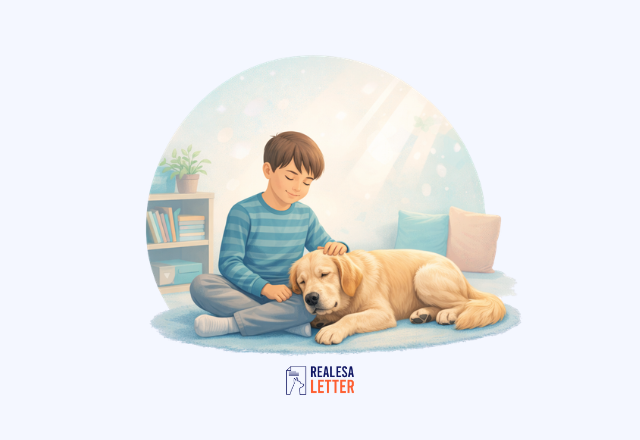
That’s where emotional support animals (ESAs) can make a real difference. An ESA offers calm companionship, reduces stress during sensory overload, and provides consistent comfort without judgment or social demands. For many people with autism, that steady presence can improve confidence, emotional regulation, and overall well-being.

Let’s explore how emotional support animals help individuals with autism thrive, who may qualify, and what legal protections apply.

Understanding Autism Spectrum Disorder (ASD) 

Autism Spectrum Disorder is a neurodevelopmental condition affecting how individuals process information, communicate, and interact with their environment. The Centers for Disease Control and Prevention reports that autism affects approximately 1 in 36 children and 1 in 45 adults in the United States today. The condition typically manifests by age 2 or 3, though formal diagnosis often occurs around age 5.

The term "spectrum" reflects autism's vast diversity, no two autistic individuals experience the condition identically. The DSM-5-TR categorizes ASD into three levels based on required support:

  • Level 1: Requiring support
  • Level 2: Requiring substantial support
  • Level 3: Requiring very substantial support

Core Characteristics of Autism

Many autistic individuals experience heightened or diminished sensitivity to sensory input. Fluorescent lights may feel painfully bright. Background conversations in restaurants can overwhelm auditory processing.

Certain clothing textures might feel intolerable. Conversely, some individuals may seek intense sensory experiences or have reduced sensitivity to pain or temperature.

These sensory differences aren't preferences; they're neurological realities that can trigger meltdowns, shutdowns, or extreme discomfort when unmanaged.

Social Communication Challenges

Autism affects how individuals interpret and respond to social cues. This might manifest as:

  • Difficulty reading facial expressions or body language
  • Challenges understanding sarcasm, idioms, or implied meanings
  • Struggling to maintain reciprocal conversations
  • Uncertainty about when to speak or interrupt appropriately
  • Preference for direct, literal communication

These differences don't indicate lack of desire for connection—rather, they reflect a different communication style that neurotypical society doesn't always accommodate.

Emotional Regulation Difficulties

Emotional dysregulation in autism can include:

  • Intense emotional responses that feel disproportionate to triggers
  • Difficulty identifying and naming emotions (alexithymia)
  • Extended recovery time after emotional episodes
  • Meltdowns or shutdowns when overwhelmed
  • Anxiety about unpredictable situations

Need for Routine and Predictability

Many autistic individuals thrive with structured routines and predictability. Unexpected changes can trigger significant distress. This need for sameness isn't stubbornness, it's a neurological preference that provides emotional security in an unpredictable world.

The Challenge of Masking

Many autistic individuals, particularly those diagnosed later in life, develop masking behaviors, suppressing autistic traits to appear neurotypical. While sometimes necessary for navigating neurotypical spaces, chronic masking leads to exhaustion, burnout, anxiety, and depression. The ability to be authentically oneself without masking is crucial for long-term mental health.

This is where emotional support animals excel: They accept their human companions entirely as they are, creating a safe space free from masking demands.

How ESAs Support Individuals With Autism: Eight Evidence-Based Benefits

Emotional support animals can provide steady, day-to-day comfort for autistic individuals by creating a sense of safety, predictability, and emotional grounding. While ESAs are not trained service animals, their calming presence can make stressful situations feel more manageable and reduce feelings of isolation.

Below are eight evidence-based ways ESAs may support autism-related challenges, starting with anxiety and emotional regulation.

1. Reducing Anxiety and Emotional Dysregulation

Anxiety disorders affect an estimated 40-50% of autistic individuals, significantly higher than the general population. The constant vigilance required to navigate sensory-overwhelming environments and decode social interactions creates persistent stress.

How ESAs Help:

Emotional support animals for anxiety provide grounding presence during anxiety episodes. The simple act of petting an animal activates the parasympathetic nervous system, triggering relaxation responses. Research demonstrates that human-animal interactions increase oxytocin (the "bonding hormone") while decreasing cortisol (stress hormone), creating measurable physiological calming effects.

For autistic individuals experiencing meltdowns or heightened anxiety, an ESA offers:

  • Tactile grounding: Petting, holding, or leaning against an animal provides sensory input that helps regulate the nervous system
  • Distraction from rumination: Focusing on an animal's needs redirects attention from anxiety-provoking thoughts
  • Predictable comfort: Unlike human support, which can feel unpredictable or socially demanding, animals provide consistent, judgment-free comfort

2. Sensory Regulation and Grounding

Sensory overload, when the brain becomes overwhelmed by excessive sensory input, is one of autism's most challenging aspects. During sensory overload, individuals may experience:

  • Inability to process information
  • Heightened fight-or-flight responses
  • Shutdowns (withdrawal and reduced responsiveness)
  • Meltdowns (intense emotional/physical responses)

How ESAs Help:

Animals provide multi-sensory grounding experiences that can interrupt sensory overload:

  • Deep pressure stimulation: The weight of a dog leaning against someone or a cat sleeping on a lap provides proprioceptive input that many autistic individuals find calming
  • Rhythmic sensory input: Petting an animal creates repetitive, predictable tactile stimulation
  • Focus redirection: Attending to an animal's soft fur, warmth, or breathing patterns shifts attention from overwhelming stimuli to manageable sensory experiences

One systematic review analyzing 85 studies found that animal-assisted interventions significantly improved autistic individuals' sensory processing and self-regulation capabilities.

3. Building Routine and Structure

Routine provides autistic individuals with predictability and security. When days follow expected patterns, cognitive resources aren't depleted managing uncertainty and can instead focus on other tasks.

How ESAs Help:

Animals thrive on routine, creating natural structure:

  • Feeding schedules: Regular mealtimes create temporal anchors throughout the day
  • Exercise requirements: Dogs need walks, establishing predictable outdoor time
  • Grooming routines: Regular brushing or cage cleaning creates consistent tasks
  • Sleep schedules: Animals often sleep at similar times, encouraging healthy sleep routines

This externally imposed structure helps autistic individuals maintain beneficial routines even when executive functioning challenges make self-imposed scheduling difficult.

4. Reducing Social Isolation and Loneliness

Despite stereotypes portraying autistic individuals as preferring solitude, many experience profound loneliness. Social isolation often stems not from lack of desire for connection, but from:

  • Difficulty initiating social interactions
  • Past negative social experiences
  • Social anxiety and fear of judgment
  • Communication barriers with neurotypical individuals

How ESAs Help:

Emotional support animals address loneliness through:

  • Constant companionship: Animals provide a consistent presence without social performance demands
  • Social catalysts: Dogs particularly, can facilitate easier social interactions—people approach dog owners naturally, and conversations about pets feel safer than small talk
  • Non-verbal emotional connection: Autistic individuals who struggle with verbal emotional expression often find animals' non-verbal communication style more intuitive and comfortable
  • Reduced pressure: Unlike human relationships requiring reciprocity and social maintenance, animal companionship feels naturally reciprocal without explicit social rules

5. Improving Sleep Quality

Sleep difficulties affect 50-80% of autistic children and persist into adulthood for many individuals. Common sleep challenges include:

  • Difficulty falling asleep due to anxiety or sensory sensitivities
  • Frequent nighttime awakenings
  • Irregular sleep-wake patterns
  • Anxiety about sleeping alone

How ESAs Help:

Multiple mechanisms support improved sleep:

  • Physical comfort: The presence and warmth of an animal in bed provides security
  • Anxiety reduction: Knowing an animal is present reduces nighttime hypervigilance
  • Routine establishment: Animals' natural sleep schedules encourage consistent bedtimes
  • Sensory regulation: The rhythmic breathing or purring of an animal provides calming sensory input

Research from the Assistance Dog Center found that nearly all ESA owners reported improved sleep quality, with animals helping establish more regular sleep patterns.

6. Facilitating Emotional Expression and Processing

Many autistic individuals experience alexithymia, difficulty identifying and describing emotions. This can make processing feelings and communicating emotional needs challenging.

How ESAs Help:

Animals create safe spaces for emotional expression:

  • Non-judgmental listeners: People can talk through feelings with animals without fear of criticism or misunderstanding
  • Emotional mirroring: Observing an animal's straightforward emotional expressions can help individuals identify their own feelings
  • Safe physical affection: For those who find human touch overwhelming or confusing, animal cuddles provide affection without complex social navigation
  • Cathartic release: Animals provide safe companions during crying, stimming, or other emotional regulation behaviors

7. Building Responsibility and Independence

Many autistic adults face challenges with independent living due to executive functioning difficulties, anxiety, or lack of opportunities to develop life skills. Parents may worry about their autistic children's ability to eventually live independently.

How ESAs Help:

Caring for an animal builds practical life skills:

  • Task initiation: Animals need care regardless of motivation levels, providing external structure for daily tasks
  • Planning and organization: Managing feeding schedules, veterinary appointments, and supplies requires executive functioning practice
  • Sensory tolerance expansion: Cleaning litter boxes or handling wet dog fur provides exposure to challenging sensory experiences in manageable contexts
  • Confidence building: Successfully caring for a living being builds self-efficacy and independence

8. Creating Safe Communication Practice

Social communication challenges can make practicing conversation skills feel high-stakes and anxiety-provoking with humans.

How ESAs Help:

Animals provide judgment-free communication practice:

  • Monologue practice: Talking to animals helps practice verbal expression without interruption or correction
  • Tone experimentation: People can practice different vocal tones without social consequences
  • Observing non-verbal communication: Animals communicate clearly through body language, providing models of non-verbal expression
  • Turn-taking foundation: Interacting with animals teaches conversational reciprocity in lower-pressure contexts

Scientific Evidence: Research-Backed Benefits 

A comprehensive systematic review published in 2023 analyzed 85 studies examining animal-assisted interventions for individuals with autism. Key findings included:

  • Significant improvements in social interaction capabilities
  • Enhanced emotional well-being and reduced anxiety
  • Better sensory processing and self-regulation
  • Increased engagement in therapeutic activities

The review concluded that animal-assisted interventions show consistent positive effects across the autism spectrum, though individual responses vary.

Oxytocin and Cortisol Changes (2022)

Research published in Human-Animal Interactions examined physiological changes during human-animal interactions. Studies found that just 10 minutes of petting or playing with an animal produced:

  • Measurable cortisol (stress hormone) decreases
  • Oxytocin (bonding hormone) increases
  • Reduced heart rate and blood pressure
  • Self-reported improvements in mood and anxiety

These biological changes weren't merely subjective—they represented measurable physiological stress reduction.

Assistance Dog Center Survey (2020)

An international survey of 298 ESA dog owners found:

  • 100% reported quality of life improvements
  • Nearly all experienced increased feelings of security
  • Participants reported better sleep quality
  • Enhanced independence and energy levels

While self-reported data has limitations, the unanimous positive reporting suggests substantial real-world benefits.

COVID-19 Pandemic Study (2020)

During the pandemic, researchers surveyed nearly 6,000 individuals with companion animals. Results showed:

  • Almost 90% described their animals as considerable support sources
  • Benefits remained consistent across species (dogs, cats, rabbits, etc.)
  • Companion animals helped mitigate isolation-related mental health challenges

This study highlighted how animals provide crucial emotional support during periods of heightened stress and social isolation—conditions many autistic individuals navigate regularly.

Important Research Limitations

While research supports ESA benefits for autism, several limitations exist:

  1. Individual Variation: Autism's heterogeneity means interventions helping some individuals may not benefit others
  2. Placebo Effects: Some benefits may partially stem from expectation rather than the animal itself
  3. Methodological Challenges: Randomized controlled trials with animals are difficult to conduct
  4. Publication Bias: Studies showing positive results may be published more frequently than null findings

These limitations don't negate ESA benefits but suggest approaching expectations realistically and individually.

Service Dog Tasks for Autism

Many people start with ESAs and later train them as psychiatric service dogs as needs evolve. However, this requires significant training investment and not all ESAs have appropriate temperaments for service work. If you're considering both options, compare psychiatric service dogs vs ESAs to make an informed decision.

Service dogs receive specialized training to perform specific disability-related tasks, such as:

  • Deep pressure therapy (DPT): Applying body weight during meltdowns or anxiety attacks
  • Behavior interruption: Stopping self-injurious behaviors or repetitive actions
  • Grounding during dissociation: Providing tactile stimulation when someone spaces out
  • Crowd control: Creating physical space in overwhelming environments
  • Tethering: Preventing wandering or elopement (especially for children)
  • Retrieving items: Getting medications, water, comfort objects
  • Alert to stress signals: Recognizing signs of impending meltdowns

Which Option Fits Your Needs?

Choose an ESA if:

  • Primary need is emotional support at home
  • You don't require task-specific assistance
  • Public access isn't essential
  • Budget for extensive training is unavailable
  • Your animal already provides adequate support

Choose a Service Dog if:

  • You need task-specific disability assistance
  • Public access is essential for daily functioning
  • You can commit to ongoing training maintenance
  • Budget allows for professional training or DIY training investment
  • Your symptoms require active intervention beyond presence

Best Emotional Support Animals for Autism 

Selecting an emotional support animal requires matching animal characteristics with individual needs, preferences, and living situations. No single species or breed is universally "best"; the ideal ESA depends on:

  • Sensory preferences: Some find dogs' enthusiasm overwhelming while others need that energy; some prefer cats' independence
  • Living situation: Apartment size, yard access, landlord restrictions
  • Energy levels: High-energy individuals may connect with active dogs; lower-energy people may prefer calm cats
  • Allergies: Hypoallergenic breeds or alternative species may be necessary
  • Lifestyle: Work schedules, travel frequency, physical activity levels
  • Budget: Food, veterinary care, grooming, supplies

Dogs: Most Versatile and Interactive

Benefits for Autism:

  • Strong routine builders (require regular feeding, walks, play)
  • Encourage outdoor time and physical activity
  • Facilitate social interactions more than other species
  • Provide physical pressure and tactile stimulation
  • Many breeds naturally attentive to human emotions

Considerations:

  • Require significant time investment (walks, training, play)
  • Can be sensory overwhelming (barking, jumping, high energy)
  • Higher maintenance and costs than other species
  • Need consistent training for acceptable behavior

Recommended Breeds:

  • Golden Retrievers - Gentle, intelligent, eager to please, patient with training, excellent family dogs
  • Labrador Retrievers - Friendly, loyal, adaptable, high energy balanced with cuddle time
  • Poodles/Labradoodles - Low-shedding (good for allergies), highly intelligent, trainable, come in multiple sizes
  • Cavalier King Charles Spaniels - Calm, affectionate, low-moderate energy, excellent lap dogs
  • Great Pyrenees - Calm temperament, gentle, protective without aggression, naturally attentive
  • Bernese Mountain Dogs - Patient, affectionate, gentle with children, calm energy
  • German Shepherds - Loyal, intelligent, trainable, naturally protective, confident

Cats: Independent Comfort Providers

Benefits for Autism:

  • Lower maintenance than dogs
  • Naturally quiet (less sensory stimulation)
  • Respect personal space while remaining available
  • Purring provides rhythmic sensory input
  • Adapt well to smaller living spaces
  • Often content with indoor-only lifestyles

Considerations:

  • Less structured routine (though feeding schedules help)
  • May not actively seek interaction (though many do)
  • Litter box maintenance required
  • Some people find independent nature less supportive

Recommended Breeds:

Ragdolls - Exceptionally calm, go limp when held, follow owners around, dog-like personality

Maine Coons - Gentle giants, social, intelligent, tolerant, playful without being hyperactive

British Shorthairs - Calm, easygoing, independent but affectionate, patient

Russian Blues - Quiet, routine-oriented, loyal to primary person, gentle

Birman - Social, soft-voiced, people-oriented, calm temperament

Learn more about whether cats can be emotional support animals and their specific benefits for mental health conditions.

Rabbits: Quiet Companions

Benefits for Autism:

  • Very quiet (minimal sensory stimulation)
  • Soft, pettable fur provides tactile comfort
  • Can be litter-trained for easier maintenance
  • Moderate care requirements
  • Gentle, non-threatening presence
  • Good apartment animals

Considerations:

  • Shorter lifespan (8-12 years)
  • Require daily exercise/enrichment
  • Veterinary care can be expensive/specialized
  • Some are skittish and prefer less handling
  • Chewing behavior requires rabbit-proofing

Guinea Pigs: Small, Social Animals

Benefits for Autism:

  • Very social, bond strongly with owners
  • Gentle temperament, rarely bite
  • Soft fur provides tactile stimulation
  • Easy to care for with proper setup
  • Vocalizations are soft, often pleasant
  • Excellent for children

Considerations:

  • Shorter lifespan (5-7 years)
  • Best kept in pairs (social animals)
  • Daily cage cleaning required
  • Require fresh vegetables daily
  • Can't be trained like dogs/cats

Birds: Interactive and Engaging

Benefits for Autism:

  • Highly interactive and intelligent
  • Can learn words/phrases (some species)
  • Routine-oriented creatures
  • Long lifespans with proper care
  • Visual stimulation without physical demands

Considerations:

  • Can be noisy (sensory challenging for some)
  • Require significant daily interaction
  • Messy (feathers, food debris)
  • Long-term commitment (many live 20+ years)
  • Specialized veterinary care needed

Selecting Your ESA: Practical Steps

  1. Self-assess needs: What sensory inputs are calming vs. overwhelming? How much time can you dedicate to care?
  2. Visit shelters: Spend time with different species/breeds to gauge compatibility
  3. Consider fostering: Foster-to-adopt programs let you test compatibility before committing
  4. Evaluate temperament individually: Two Golden Retrievers can have vastly different personalities
  5. Consult professionals: Shelter staff, trainers, or therapists can provide species/breed guidance
  6. Plan for longevity: Consider 10-20+ year commitments when selecting animals

How to Qualify for an ESA Letter for Autism 

To qualify for an emotional support animal letter, individuals must meet specific criteria established under the Fair Housing Act:

  1. Diagnosed Mental Health Condition

You must have a documented mental health condition that substantially impacts major life activities. For autism, this includes:

  • Autism Spectrum Disorder (any support level)
  • Co-occurring conditions common with autism (anxiety disorders, depression, PTSD, OCD, ADHD)

The condition must be diagnosed according to DSM-5-TR criteria. While autism itself qualifies, the ESA recommendation often focuses on secondary conditions like anxiety that the animal specifically addresses.

  1. Disability Significantly Impacts Daily Life

Your condition must substantially limit at least one major life activity, such as:

  • Social interaction and communication
  • Working or studying
  • Sleeping
  • Concentrating
  • Caring for oneself
  • Regulating emotions

"Substantially limits" means the disability creates significant difficulty compared to average population functioning.

  1. ESA Provides Therapeutic Benefit

A licensed mental health professional must determine that an emotional support animal would alleviate disability-related symptoms. This assessment considers:

  • How the animal's presence reduces anxiety or sensory overwhelm
  • Whether the animal helps maintain beneficial routines
  • If the animal facilitates emotional regulation
  • How the animal addresses social isolation

The ESA doesn't need to eliminate symptoms; meaningful symptom reduction suffices.

Getting Your ESA for Autism: Your Step-by-Step ESA Journey 

For individuals with autism, obtaining an ESA letter may feel overwhelming, but it doesn't have to be. This practical guide breaks down the process into manageable steps, from self-assessment through housing accommodation.

Whether you're an autistic adult seeking support or a parent advocating for your child, these steps provide a clear roadmap to legitimate ESA documentation.

Step 1: Self-Assessment, Is an ESA Right for You?

Before pursuing an ESA letter, honestly evaluate:

Can you properly care for an animal?

  • Financial resources for food, veterinary care, supplies (budget $500-2000+ annually)
  • Time for daily feeding, exercise, grooming, veterinary appointments
  • Physical ability to handle care tasks
  • Stable housing situation
  • Long-term commitment (animals live 10-20+ years)

Will an ESA genuinely help your autism-related challenges?

  • Do you find animal interaction calming or stressful?
  • Would routine care structure benefit or burden you?
  • Can an animal provide support your current treatments lack?
  • Have you experienced positive pet interactions previously?

Are you seeking an ESA for the right reasons?

Appropriate Reasons:

  • Genuine therapeutic benefit for diagnosed condition
  • Need for companionship that reduces disability symptoms
  • Desire for routine structure and responsibility
  • Seek sensory regulation and emotional grounding

Inappropriate Reasons:

  • Avoiding pet deposits/rent (fraud)
  • Circumventing no-pet policies without legitimate need
  • Gaining public access for pets (ESAs don't have these rights)
  • Bringing untrained animals into inappropriate spaces

If self-assessment reveals concerns, discuss them with a therapist before proceeding.

Step 2: Choose Your Animal (If You Don't Have One)

Option A: You Already Have a Pet

If your current pet provides emotional support that helps manage autism symptoms, they can become your ESA through letter acquisition. You don't need a new animal.

Option B: Selecting a New ESA

If getting a new animal:

  1. Research species/breeds matching your sensory preferences and lifestyle
  2. Visit shelters and rescues to interact with potential animals
  3. Consider fostering before committing to adoption
  4. Evaluate temperament individually—even within breeds, personalities vary
  5. Assess health and age—older animals may have calmer temperaments but shorter lifespans
  6. Get ESA letter first in some cases—some shelters allow letter-first, adoption-second approaches

Step 3: Schedule Professional Evaluation

Finding a Provider:

Option 1: Your Current Mental Health Provider

If you have an existing therapist, psychiatrist, or mental health provider:

  • Schedule an appointment to discuss ESA recommendation
  • Bring documentation of autism diagnosis if not your current provider
  • Explain how an ESA would specifically help your symptoms
  • Request ESA letter if they agree it's clinically appropriate

Option 2: Online ESA Letter Services (Legitimate Ones)

If you don't have a current provider or yours doesn't write ESA letters:

  • Choose a reputable service like RealESALetter.com
  • Verify the service uses state-licensed professionals
  • Check reviews and Better Business Bureau ratings
  • Confirm money-back guarantee if not approved
  • Ensure proper consultation process (not instant approval)

Red Flags to Avoid:

  • Services guaranteeing approval
  • Instant letters without consultation
  • Suspiciously low prices ($50 or less)
  • No actual evaluation process
  • "Registration" requirements

Step 4: Complete the Evaluation Process

What to Expect:

Questionnaire/Assessment: Detailed questions about:

  • Your autism diagnosis and symptom severity
  • Co-occurring mental health conditions
  • How symptoms impact daily functioning
  • Current coping strategies and treatments
  • How an ESA currently helps or might help
  • Living situation and animal care capability

Live Consultation: Phone or video call (typically 15-30 minutes) with a licensed mental health professional to:

  • Review your assessment responses
  • Clarify your symptoms and needs
  • Discuss how an ESA fits into your treatment plan
  • Verify you can responsibly care for an animal
  • Answer your questions

Clinical Decision: The provider determines whether you meet qualification criteria. Legitimate providers don't approve everyone, only those who genuinely benefit from ESAs.

Step 5: Receive Your ESA Letter

If approved, you'll receive your ESA letter within 24-48 hours (except in 30-day requirement states). The letter should:

  • Be on professional letterhead
  • Include provider's license information
  • Contain all legally required elements
  • Be dated and signed by the provider
  • Be verifiable if your landlord contacts the provider

Keep Multiple Copies:

  • Digital copies (PDF) for quick sending
  • Several printed copies for in-person submissions
  • Backup copies stored securely

Step 6: Present Letter to Landlord/Housing Provider

Best Practices:

Timing:

  • Submit letter BEFORE moving in if possible
  • If already resident, submit as soon as obtained
  • Provide reasonable advance notice when possible

Method:

  • Deliver via certified mail or email with read receipt for documentation
  • Keep proof of delivery
  • Follow up if no response within reasonable timeframe (7-10 days)

Communication:

  • Be professional and cooperative
  • Provide additional documentation if reasonably requested
  • Explain ESA is not a pet under FHA
  • Don't discuss your specific diagnosis (medical privacy)

What Landlords May Request:

Allowed:

  • Verification that letter is from licensed professional
  • Contact information to verify legitimacy
  • Confirmation that ESA is necessary for disability-related therapeutic reasons

Not Allowed:

  • Details about your specific diagnosis
  • Medical records beyond the ESA letter
  • Proof of animal training or certification
  • Photos of the animal before approval

Step 7: Maintain Your ESA Letter

Annual Renewal:

Reputable ESA letters should be renewed annually to ensure:

  • Documentation remains current
  • Your need for ESA continues
  • Landlord requests for updated documentation are satisfied

Responsibility Maintenance:

Continue being a responsible ESA owner:

  • Ensure animal is well-behaved and doesn't disturb neighbors
  • Clean up after your animal
  • Keep vaccinations current
  • Address any damage promptly
  • Don't abuse ESA privileges by taking animal where not permitted

Step 8: Know When to Seek Help

Contact your ESA letter provider or legal resources if:

  • Landlord denies accommodation without valid reason
  • Charged illegal fees despite providing ESA letter
  • Experiencing discrimination based on animal species/breed
  • Landlord requests inappropriate medical information
  • Facing eviction due to ESA
  • Uncertain about your rights in specific situations

In summary, emotional support animals can be a powerful part of an autism support plan, but they work best when combined with other proven strategies like therapy, skill-building, and medical care when needed. For many autistic individuals, an ESA provides real daily benefits, lower anxiety, better emotional regulation, improved sleep, reduced isolation, and a calming sense of routine through consistent companionship.

At the same time, ESAs aren’t the right fit for everyone. Some people may find pet care stressful, or have sensory sensitivities that make animal interaction uncomfortable. The best approach is to think it through carefully, choose an animal that matches your needs, and work with a licensed professional who can confirm whether an ESA is truly helpful for your situation.

If you’re ready to take the next step, RealESALetter.com can help you get a legitimate ESA letter through a state-licensed mental health professional. This ensures you have proper documentation for housing and peace of mind moving forward.

Frequently Asked Questions

Do children with autism qualify for ESA letters?

FAQ Icon

Yes, but the ESA letter must be issued to the parent or legal guardian, not the minor. The evaluation assesses how the ESA benefits the child's autism symptoms while the parent assumes legal responsibility. Both the child's therapeutic needs and the family's care capability are evaluated.

How long does it take to get an ESA letter for autism?

FAQ Icon

Most states allow ESA letter delivery within 24-48 hours after approval. However, California, Arkansas, Iowa, Louisiana, and Montana require 30-day therapeutic relationships, meaning two consultations 30 days apart before letter issuance.

What types of animals work best as ESAs for autism?

FAQ Icon

The best ESA depends on individual sensory preferences and needs. Dogs build strong routines and facilitate social interaction. Cats offer calmer, lower-maintenance companionship.

Rabbits and guinea pigs provide quiet, gentle support. Consider your energy level, sensory sensitivities, and living situation when choosing.

Dr. Avery Langston

WRITTEN BY

Dr. Avery Langston

Dr. Avery Langston is a licensed clinical therapist with more than 12 years of professional experience in emotional support animal (ESA) assessments, mental health counseling, and evidence-based therapeutic interventions. With a strong foundation in clinical psychology and a passion for mental-health education, Avery has guided thousands of individuals through the ESA qualification process while promoting emotional healing and stability. As a senior content contributor for RealESALetter.com, Avery focuses on writing accurate, accessible, and legally informed articles on ESA rights, housing protections, and mental wellness. Her mission is to help readers understand their ESA benefits clearly and confidently, backed by real clinical expertise.

Get Approved Quickly by Real Doctors.

Fully Legitimate and Safe.

legally compliant Apply Now

Share this Article

Closed Icon

Login

Enter your email and password to access your account

Please enter a valid email address

Please enter your password

Show password toggle icon

Don’t have an account? Sign Up

Forgot Your Password?

Enter your registered email to receive your password

Please enter a valid email address

Return to login page or signup to create a new account

OTP popup graphic

Check Your Email to Verify Your Account

We’ve sent a 4-digit verification code to .

Enter it below to confirm your email and continue your ESA process.

Didn’t get the code? Resend Code

Entered the wrong email? Go Back

Mail / email graphic icon

Your password has been sent to