

Yes, reptiles can qualify as emotional support animals under federal housing law. However, they must provide therapeutic support for a diagnosed mental health condition, and you must have a valid ESA letter from a licensed mental health professional.
While dogs and cats are the most common ESAs, the Fair Housing Act does not limit eligibility based on species. That means reptiles such as bearded dragons, ball pythons, leopard geckos, turtles, and similar domesticated species may qualify if they help alleviate symptoms of anxiety, depression, PTSD, or another qualifying condition.
Let’s explain how reptile ESAs are legally recognized, what documentation you need, how housing protections apply to exotic animals, and what practical considerations to keep in mind before designating your reptile as an ESA in 2026.
What Are Emotional Support Reptiles?
Emotional support reptiles are domesticated reptiles that provide comfort, stability, and symptom relief to individuals living with qualifying mental health conditions. Unlike service animals, they are not trained to perform specific tasks. Their therapeutic value comes from companionship, routine care, and the calming presence they offer their owners.
Under HUD's 2020 Assistance Animals Notice (FHEO-2020-01), emotional support animals are not limited by species, provided the animal does not pose a direct threat or cause substantial property damage.
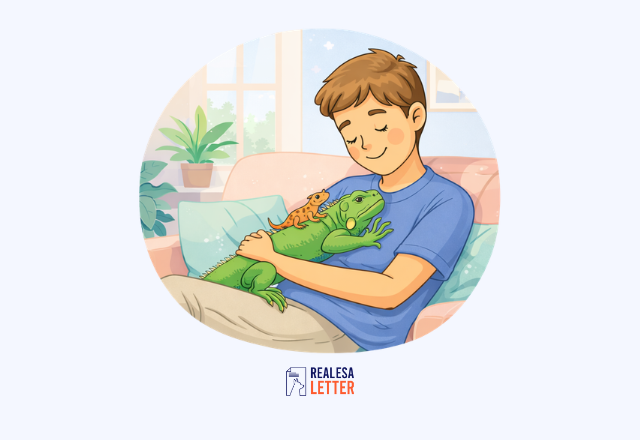
For example, an emotional support bearded dragon may help reduce anxiety through gentle handling and daily interaction. Likewise, an emotional support lizard, such as a leopard gecko or iguana, can provide structure and grounding through consistent feeding schedules and habitat maintenance.
Even snakes and turtles can serve as emotional support animals when their presence meaningfully alleviates symptoms of depression, PTSD, or chronic stress.
What matters most is not the species itself, but the documented emotional benefit the reptile provides. If your reptile helps regulate mood, ease panic symptoms, or create emotional stability in your daily life, it may qualify as an emotional support animal with proper evaluation and documentation.
Why Choose a Reptile as an Emotional Support Animal?
While reptiles may seem like an unconventional choice compared to traditional ESAs like dogs and cats, they offer unique advantages that make them ideal companions for many individuals with mental health conditions.
Here are the benefits of emotional support reptiles:
- Low Maintenance and Manageable Care
Reptiles generally require less daily attention than dogs or cats. They don't need daily walks, frequent grooming, or constant interaction.
Most adult reptiles eat only a few times per week, and their enclosures require periodic cleaning rather than daily litter box maintenance. This makes them excellent options for individuals whose mental health conditions sometimes make intensive pet care challenging.
- Hypoallergenic Qualities
Reptiles don't produce dander (the microscopic skin flakes that trigger allergies), making them ideal for people with pet allergies. This is particularly important in shared housing situations where neighbors may have allergies, as reptiles won't spread allergens through ventilation systems or common areas.
- Odorless and Quiet
When properly cared for with regular enclosure cleaning, reptiles produce no odor. Unlike dogs that bark or cats that meow, most reptiles are virtually silent, eliminating concerns about noise complaints from neighbors or landlords.
The occasional rustle or quiet hiss cannot be heard through walls, making them perfect for apartments with strict noise policies.
- Space-Efficient Living
Many reptile species thrive in appropriately sized enclosures that take up minimal floor space. A bearded dragon lives comfortably in a 4x2x2-foot terrarium, while smaller geckos need even less space. This makes reptiles ideal for small apartments, dorm rooms, or homes with limited square footage.
- Long Lifespan for Consistent Support
With proper care, many reptiles live 10-20 years or longer. Bearded dragons typically live 10-15 years, ball pythons can live 20-30 years, and some turtles can survive for decades. This longevity provides consistent, long-term emotional support for individuals managing chronic mental health conditions.
- Calming and Meditative Presence
Watching reptiles move through their environment, bask under heat lamps, or explore their terrariums can be deeply calming. The slow, deliberate movements of turtles and the mesmerizing patterns of snakes provide a meditative quality that helps reduce anxiety and racing thoughts.
Handling a calm reptile offers tactile grounding that many people find soothing during moments of stress or dissociation.
- Unique Bond Formation
While reptiles don't express affection the same way dogs and cats do, they can form genuine bonds with their owners.
Many reptile owners report that their animals recognize them, show preferences for being handled by familiar people, and display calmer behavior in the presence of their primary caregiver. The process of earning a reptile's trust through patient, consistent interaction can be deeply rewarding and therapeutic.
- Reduced Social Stigma
Some individuals, particularly men, avoid seeking emotional support animals due to perceived stigma around needing emotional assistance. Reptiles can break this barrier—owning a bearded dragon or ball python feels less stigmatizing while still providing genuine therapeutic benefits.
- Lower Financial Burden
Compared to dogs and cats, reptiles generally cost less to maintain. While initial setup costs for proper enclosures, heating, and lighting can be significant, ongoing expenses for food, bedding, and veterinary care are typically lower. Reptiles don't require expensive vaccinations, regular grooming appointments, or daily feeding in many cases.
- Opens the Door to a Supportive Community
Reptile ownership introduces owners to the world of herpetoculture the hobby of keeping and caring for reptiles and amphibians. This community includes online forums, Facebook groups, and in-person reptile expos where owners connect with like-minded enthusiasts.
For individuals experiencing social isolation as part of depression, anxiety, or PTSD, joining a passionate community can be deeply therapeutic and is a unique benefit that dogs and cats rarely provide in the same way.
- Ideal for People with Executive Dysfunction
For individuals managing ADHD, severe depression, or other conditions that impair daily functioning, the low-demand nature of reptile care can serve as a confidence-building stepping stone.
Successfully maintaining a reptile's health provides a sense of accomplishment without the overwhelming daily obligations of dog or cat ownership. Many mental health professionals recommend reptiles as an entry-level ESA for this reason.
Best Reptile Species for Emotional Support
Not all reptiles make equally suitable emotional support animals. The ideal ESA reptile should have a calm temperament, be non-venomous, pose minimal safety concerns, and be manageable in size and care requirements.
Here are the top reptile species for ESA support:
- Bearded Dragons
Bearded dragons are currently the most popular reptile choice for emotional support. Native to Australia, these lizards have become beloved pets due to their docile nature and interactive personalities.
Why They're Great ESAs:
- Extremely calm and tolerant of handling
- Often enjoy sitting on their owner's shoulder or lap
- Live 10-15 years with proper care
- Manageable size (16-24 inches including tail)
- Diurnal (active during daytime), matching human schedules
- Social personalities that bond well with humans
Care Considerations:
- Require 4x2x2 foot minimum enclosure
- Need UVB lighting and heat gradients (75-105°F)
- Diet of insects and vegetables
- Regular enclosure cleaning
- Leopard Geckos
These small, gentle lizards are perfect for first-time reptile owners seeking an emotional support animal.
Why They're Great ESAs:
- Very docile and easy to handle
- Small size (7-10 inches) requires minimal space
- Hardy and beginner-friendly
- Beautiful patterns and colors
- Long lifespan (15-20 years)
- Minimal care requirements
Care Considerations:
- 20-gallon enclosure minimum
- Heat mat for belly warmth
- Simple diet of insects
- Low-maintenance cleaning schedule
- Crested Geckos
Crested geckos offer a unique appearance and gentle disposition that many find therapeutic.
Why They're Great ESAs:
- Extremely calm temperament
- Unique appearance with eyelash-like projections
- Easy care requirements
- Can eat prepared diet (no live insects required)
- Thrive in room temperature environments
- Arboreal nature makes them fun to watch climbing
Care Considerations:
- Vertical enclosure with climbing branches
- Moderate humidity levels
- Diet of prepared gecko food or insects
- Misting for hydration
- Corn Snakes
For those comfortable with snakes, corn snakes are among the best reptile ESAs available.
Why They're Great ESAs:
- Extremely docile and rarely defensive
- Beautiful color morphs
- Easy to handle and rarely bite
- Long lifespan (15-20 years)
- Slow, deliberate movements provide calming effect
- Manageable size (4-6 feet)
Care Considerations:
- 20-40 gallon enclosure depending on size
- Heat gradient with hide boxes
- Feed pre-killed rodents every 5-7 days
- Minimal cleaning requirements
- Ball Pythons
Ball pythons are popular pet snakes known for their gentle nature and reluctance to bite.
Why They're Great ESAs:
- Very calm and tolerant of handling
- Curl into a defensive ball rather than striking
- Beautiful patterns and color variations
- Long lifespan (20-30 years)
- Their weight and texture provide grounding sensory input
- Compact size (3-5 feet)
Care Considerations:
- 40-gallon enclosure minimum
- Specific humidity requirements (50-60%)
- Feed pre-killed rodents every 7-10 days
- Can be picky eaters, requiring patience
- Russian Tortoises
For those who prefer slower-paced reptiles, Russian tortoises offer unique therapeutic benefits.
Why They're Great ESAs:
- Extremely long lifespan (40-50+ years)
- Gentle, predictable behavior
- Watching them slowly explore is meditative
- Minimal handling stress
- Hardy and relatively easy care
Care Considerations:
- Large enclosure or outdoor habitat
- UVB lighting essential
- Herbivorous diet of greens and vegetables
- Require proper humidity and temperature
Mental Health Conditions That Qualify for an ESA Reptile
To qualify for an emotional support reptile, you must have a diagnosed mental, emotional, or psychiatric disability that substantially limits one or more major life activities.
Your licensed mental health professional will evaluate whether your condition qualifies and whether an ESA would provide therapeutic benefit. Many people wonder how do I qualify for an emotional support animal, and the answer depends on your specific diagnosis.
Reptiles and Allergies: Unlike cats and dogs, reptiles produce no dander, making them genuinely hypoallergenic for most people. However, some individuals may react to reptile substrate (bedding material). If this is a concern, paper-based or tile substrates eliminate this issue entirely.
Common Qualifying Conditions:
Anxiety Disorders
- Generalized Anxiety Disorder (GAD)
- Social Anxiety Disorder
- Panic Disorder
- Specific Phobias
- Post-Traumatic Stress Disorder (PTSD)
How reptiles help: The calming presence of a reptile, the routine of care, and the grounding sensation of handling can reduce anxiety symptoms and provide distraction from intrusive thoughts. Many people find that an emotional support animal for anxiety provides relief when other treatments fall short.
Depressive Disorders
- Major Depressive Disorder
- Persistent Depressive Disorder (Dysthymia)
- Seasonal Affective Disorder
How reptiles help: Caring for a reptile provides structure, purpose, and motivation. The responsibility of maintaining their health and wellbeing can combat feelings of hopelessness and provide a reason to maintain daily routines. Studies show that an emotional support animal for depression can significantly improve daily functioning.
Attention Disorders
- Attention-Deficit/Hyperactivity Disorder (ADHD)
- Attention-Deficit Disorder (ADD)
How reptiles help: The routine and structure of reptile care can help individuals with ADHD develop consistency. Watching reptiles can provide calming focus and reduce hyperactivity. For those exploring options, an emotional support animal for ADHD often complements traditional treatment approaches.
Bipolar Disorder
How reptiles help: The consistent, predictable presence of a reptile provides stability. Their low-maintenance nature accommodates fluctuating energy levels during different mood phases. Research on ESA for bipolar disorder shows positive outcomes for emotional regulation.
Obsessive-Compulsive Disorder (OCD)
How reptiles help: Focusing attention on reptile care can redirect compulsive behaviors. The systematic nature of reptile husbandry can satisfy needs for routine and control in healthy ways.
Autism Spectrum Disorder
How reptiles help: Reptiles provide companionship without the unpredictability of dogs or cats. Their calm nature and minimal demands make them ideal for individuals who find traditional pets overwhelming. Many families exploring ESA for autism find reptiles particularly suitable.
Learning Disabilities
How reptiles help: The non-judgmental presence of a reptile provides emotional support without the social demands that some individuals with learning disabilities find stressful.
Eating Disorders
- Anorexia Nervosa
- Bulimia Nervosa
- Binge Eating Disorder
How reptiles help: Caring for a reptile provides healthy focus outside of eating behaviors and establishes positive routines around feeding (the animal).
ESA Housing Rights for Reptile Owners
Understanding your legal rights as an emotional support reptile owner is crucial for successfully navigating housing situations. The Fair Housing Act emotional support animal provisions provide strong federal protections.
The Fair Housing Act (FHA) provides federal protections for individuals with disabilities who require emotional support animals. These protections apply to most housing situations, including:
- Apartments and condominiums
- Single-family homes for rent
- Student housing and dormitories
- Public housing
- Homeowners associations (HOAs)
Your Rights Include:
- No-Pet Policy Exemptions Even if your housing has a strict no-pet policy, landlords must make reasonable accommodations for your emotional support reptile when you have a valid ESA letter.
- No Pet Fees or Deposits Landlords cannot charge pet rent, pet deposits, or additional fees for your ESA reptile. Federal law prohibits pet rent for ESA animals. However, you remain responsible for any damage your reptile or its enclosure causes to the property.
- No Breed or Species Restrictions General pet restrictions based on breed, size, or weight typically don't apply to ESAs. However, landlords may have legitimate concerns about specific reptile species if they pose genuine safety risks or require accommodations that fundamentally alter the property.
- Reasonable Accommodation Requests Landlords must engage in an interactive process to accommodate your ESA, even if it requires modifying standard policies.
When Can a Landlord Deny an ESA Reptile?
While ESA protections are strong, landlords can legally deny accommodations in specific limited situations. Knowing can a landlord deny an ESA helps you understand your rights:
- Safety Concerns
If your reptile poses a direct threat to the health or safety of others, a landlord may legally deny accommodation. This typically applies to:
- Venomous snakes (certain species are illegal in many jurisdictions)
- Large constrictors that could pose genuine danger (Burmese pythons, reticulated pythons over certain lengths)
- Aggressive species with documented dangerous behavior
Note: Common pet reptiles like bearded dragons, leopard geckos, corn snakes, and ball pythons do NOT qualify as safety threats when properly housed and cared for.
- Substantial Property Damage Risk
If your reptile would cause substantial physical damage to the property that cannot be mitigated, denial may be justified. However, this is difficult to prove for properly housed reptiles:
- Reptiles in secure, appropriate enclosures pose minimal property damage risk
- Standard wear and tear from enclosure placement is not substantial damage
- Proper care and cleaning prevent moisture or odor damage
- Undue Financial or Administrative Burden
If accommodating your ESA would fundamentally alter the nature of the housing provider's operations or impose undue financial burden, they may deny the request. This rarely applies to reptiles since:
- Reptiles don't require property modifications
- Their care doesn't impose costs on landlords
- They don't fundamentally change housing operations
- Building Exemptions
Limited housing types are exempt from FHA requirements:
- Owner-occupied buildings with four or fewer units
- Single-family homes rented without a real estate agent
- Private clubs or religious organizations providing housing to members
- Invalid or Fraudulent ESA Documentation
Landlords can deny requests if:
- Your ESA letter is from an unlicensed provider
- The letter lacks required elements
- You obtained it from a fraudulent "ESA registry"
- The provider is not licensed in your state
Before obtaining documentation, research are online ESA letters legit and meet legal requirements to avoid rejection.
Can I Bring My Reptile ESA to a Hotel?
Hotels are not covered under the Fair Housing Act, which applies only to long-term housing. However, many hotels do accommodate ESAs at management discretion.
Before booking, contact the hotel directly, explain you have a documented emotional support animal, and ask about their policy. Some national chains have formal ESA accommodation policies, while independent hotels may be more flexible. Always carry your ESA letter when traveling.
Responding to Landlord Concerns About Reptiles
Many landlords have limited experience with reptiles and may harbor unfounded concerns. Address these proactively:
Concern: "Reptiles are dangerous."
Response: Provide information about your specific species (e.g., bearded dragons are docile herbivores), explain your experience level, and emphasize that your reptile is properly housed and poses no threat.
Concern: "Reptiles smell or are unsanitary."
Response: Explain that properly maintained reptile enclosures are odorless, reptiles don't produce dander, and you'll maintain the habitat to prevent any issues.
Concern: "What if the reptile escapes?"
Response: Describe your secure enclosure setup with locking mechanisms, your maintenance routine, and your commitment to preventing escape.
Concern: "Other tenants might be afraid."
Response: Emphasize that your reptile will remain in your unit in a secure enclosure, will not be in common areas without permission, and poses no risk to other residents.
Filing an FHA Complaint
If you believe your landlord has illegally denied your ESA accommodation request or discriminated against you based on your reptile ESA, you can file a complaint with:
- U.S. Department of Housing and Urban Development (HUD): HUD.gov
- Fair Housing Act Information: HUD Fair Housing and Equal Opportunity
- File an FHA Complaint: 1-800-669-9777 or online at HUD.gov
- Association of Reptilian and Amphibian Veterinarians: ARAV.org (Find exotic vets)
HUD will investigate complaints and can enforce penalties against landlords who violate the Fair Housing Act.
How to Get an ESA Letter for Your Reptile
Obtaining legal recognition for your emotional support reptile requires a legitimate ESA letter from a licensed mental health professional. This document provides the legal protection you need to live with your reptile in housing with no-pet policies.
Step-by-Step Process:
Step 1: Assess Your Eligibility
Begin by honestly evaluating whether you have a mental health condition that substantially limits your daily functioning and whether your reptile genuinely helps alleviate symptoms. If you need guidance on approaching this conversation, understanding how to ask doctor for emotional support animal documentation can help. Consider:
- Do you have a diagnosed mental health condition?
- Does your reptile's presence reduce anxiety, depression, or other symptoms?
- Would separating from your reptile worsen your condition?
- Can you properly care for your reptile's needs?
Step 2: Connect with a Licensed Mental Health Professional
You must work with a licensed mental health professional (LMHP) who is licensed to practice in your state. Understanding who can write an ESA letter is crucial for ensuring your documentation is valid. Acceptable professionals include:
- Psychiatrists (MD or DO)
- Psychologists (PhD or PsyD)
- Licensed Clinical Social Workers (LCSW)
- Licensed Professional Counselors (LPC)
- Licensed Marriage and Family Therapists (LMFT)
- Licensed Mental Health Counselors (LMHC)
Important: Veterinarians cannot write ESA letters, as they are not mental health professionals. Additionally, online "ESA registries" that sell certificates without a legitimate clinical evaluation are scams and provide no legal protection. If you're working with a therapist, you may wonder can a therapist write an ESA letter – the answer is yes, as long as they're licensed in your state.
Many states have specific regulations about ESA letter providers. For example, California ESA laws require established therapeutic relationships, while Florida ESA laws and Texas ESA laws have their own requirements.
Step 3: Clinical Evaluation
Your mental health professional will conduct a clinical evaluation to:
- Assess your mental health condition
- Determine if you meet diagnostic criteria for a qualifying disability
- Evaluate how your reptile provides therapeutic benefit
- Confirm that an ESA is appropriate for your treatment plan
This evaluation may occur during in-person sessions or through legitimate telehealth services. The key is establishing a genuine therapeutic relationship where your clinician understands your condition and the role your reptile plays in managing symptoms.
Step 4: Receive Your ESA Letter
If you qualify, your LMHP will provide an ESA letter that includes specific required elements. Many people ask what does an ESA letter look like – here are the essential components:
- Official letterhead with the provider's contact information
- Provider's license information (license number, type, and issuing state)
- Statement of your disability (without requiring detailed diagnosis)
- Confirmation that you are their patient/client
- Statement that your ESA is necessary for your mental health treatment
- Provider's signature and the date
- Renewal date (typically valid for one year)
Step 5: Present Your ESA Letter to Housing Providers
Once you have your ESA letter, provide it to your landlord or housing provider when requesting an accommodation. You can present it:
- Before signing a lease for new housing
- After moving into your current residence
- When renewing your lease
You are not required to disclose your specific diagnosis, only that you have a qualifying disability and that your reptile provides necessary support.
For a streamlined, legitimate process, RealESALetter.com is the best place to get an ESA letter for your reptile, which connects you with licensed mental health professionals. They can evaluate your needs and issue a valid ESA letter if you qualify.
ESA Reptiles and Air Travel
It's important to understand that ESA protections for air travel have significantly changed in recent years.
Current Airline Policies (2026)
As of January 2021, the U.S. Department of Transportation revised regulations to eliminate the requirement that airlines accommodate emotional support animals. Airlines now have the discretion to set their own policies, and most major airlines no longer accept ESAs in the cabin.
What This Means for Reptile Owners:
- Your reptile ESA does not have automatic rights to fly in the cabin with you
- Airlines may require your reptile to travel as a pet (with associated fees) in cargo or an approved carrier
- Some airlines prohibit reptiles entirely from flights
- Each airline has different policies—check directly before booking
Alternative Travel Options:
- Drive when possible – Road trips allow you to keep your reptile with you safely
- Train travel – Some rail services, like Amtrak, allow small pets in carriers
- Research pet-friendly airlines – A few smaller carriers may accommodate reptiles as regular pets
- Consider boarding – If travel is unavoidable, find a trusted reptile boarding facility or sitter
Psychiatric Service Animals vs. ESAs
If you need your animal to accompany you during air travel, you may want to explore whether your needs qualify for a psychiatric service dog (PSD) instead of an ESA. Unlike ESAs, PSDs:
- Must be trained to perform specific tasks related to your disability
- Can only be dogs (or miniature horses in some cases)
- Have public access rights, including air travel
- Require more extensive documentation
However, reptiles cannot be trained as service animals, so this option is only viable if you're willing to work with a dog instead.
Airline | Reptile ESA in Cabin? | Reptile as Pet? | Notes |
American Airlines | No | Case by case | Check current pet policy |
Delta | No | No reptiles | Reptiles explicitly banned |
United | No | No reptiles | Reptiles explicitly banned |
Southwest | No | No reptiles | Only cats/dogs allowed |
Frontier | No | Case by case | Check directly |
Note: Airline policies change frequently. Always verify directly with your airline before booking.
Caring for Your Emotional Support Reptile
Proper care is essential not only for your reptile's health but also for maintaining your ESA protections and ensuring your animal can provide optimal therapeutic benefit.
General Reptile Care Requirements
- Appropriate Enclosure
- Size: Meet or exceed minimum size recommendations for your species
- Security: Ensure locking mechanisms prevent escape
- Substrate: Use appropriate bedding that's safe and easy to clean
- Hiding spots: Provide secure areas where your reptile can retreat
- Climbing structures: For arboreal species like crested geckos
- Temperature and Lighting
Reptiles are ectothermic (cold-blooded) and rely on external heat sources to regulate body temperature.
- Heat gradient: Create zones from cool to warm within the enclosure
- Basking spot: Maintain appropriate basking temperatures for your species
- UVB lighting: Essential for most diurnal reptiles (bearded dragons, many turtles)
- Day/night cycle: Maintain 12-hour light cycles unless specific species require otherwise
- Temperature monitoring: Use reliable thermometers to track conditions
- Humidity Control
Different reptile species require varying humidity levels:
- Desert species (bearded dragons, leopard geckos): 30-40% humidity
- Tropical species (crested geckos, many snakes): 50-70% humidity
- Humidity monitoring: Use hygrometers to track levels
- Misting or humidifiers: Adjust as needed for proper levels
- Proper Nutrition
- Species-specific diet: Research your reptile's natural diet carefully
- Variety: Offer diverse food items to prevent nutritional deficiencies
- Supplements: Dust insects with calcium and vitamin D3 as needed
- Fresh water: Always provide clean water in appropriate containers
- Feeding schedule: Follow species-appropriate frequency (daily, every few days, weekly)
- Veterinary Care
- Find an exotic veterinarian: Not all vets treat reptiles—locate one before emergencies
- Annual check-ups: Regular health examinations catch problems early
- Parasite screening: Routine fecal tests prevent parasitic infections
- Emergency preparedness: Know where to go for after-hours reptile emergencies
- Enclosure Maintenance
- Spot cleaning: Remove waste daily
- Deep cleaning: Complete enclosure sanitation monthly or as needed
- Substrate replacement: Change bedding regularly to prevent bacterial growth
- Disinfection: Use reptile-safe cleaners to sanitize surfaces
Therapeutic Handling and Interaction
While reptiles provide emotional support simply through their presence, mindful interaction enhances the therapeutic bond:
Handling Best Practices:
- Support their body: Always support a reptile's entire body when holding them
- Wash hands: Before and after handling to prevent illness transmission
- Read body language: Learn your reptile's signals for stress or comfort
- Gentle movements: Avoid sudden gestures that startle your animal
- Respect boundaries: Not every reptile enjoys frequent handling
- Session length: Keep handling sessions appropriate for your species (5-15 minutes typically)
Observational Therapy:
Much of a reptile's therapeutic value comes from peaceful observation:
- Watch them bask: The contentment of a basking reptile is calming
- Observe feeding: Watching natural behaviors is meditative
- Track their routines: Learning your reptile's patterns provides mindfulness practice
- Terrarium viewing: A well-designed habitat is like a living piece of art
Practical Considerations for Reptile ESAs
Before designating your reptile as an emotional support animal, consider these practical factors:
Financial Considerations
Initial Setup Costs:
- Enclosure: $100-$500+, depending on size and quality
- Heating equipment: $50-$150 (heat lamps, mats, thermostats)
- UVB lighting: $30-$100
- Substrate and decor: $30-$100
- Total initial investment: $300-$1,000+
Ongoing Costs:
- Food: $20-$50 per month
- Replacement bulbs: $30-$50 every 6-12 months
- Electricity: $10-$30 per month
- Veterinary care: $100-$300 annually
- Bedding replacement: $10-$30 every 1-3 months
Time Commitment
While less demanding than dogs, reptiles still require consistent care:
- Daily: Checking temperatures, providing fresh water, spot cleaning, feeding (some species)
- Weekly: Feeding (most species), more thorough cleaning
- Monthly: Deep enclosure cleaning, health checks, nail trims if needed
Travel Flexibility
Consider how your reptile will impact travel plans:
- Short trips: Many reptiles can be left alone for a weekend with proper setup
- Extended travel: Require a trusted pet sitter familiar with reptile care
- Moving: Research destination laws before relocating with your reptile
- Veterinary transport: Have a secure carrier for transporting to vet appointments
Climate Considerations
If you live in an area with extreme temperatures or unreliable power:
- Backup heating: Maintain battery-operated heat sources for power outages
- Cooling plans: Ensure enclosures don't overheat in summer months
- Generator access: Critical for extended power failures, especially in cold climates
Lifespan Commitment
Many reptiles are long-lived animals requiring decades of care. Ensure you're prepared for:
- 10-20+ year commitment for most species
- Lifetime costs totaling thousands of dollars
- Consistent care throughout their entire lifespan
- Future housing plans that accommodate your ESA
Comparing Reptile ESAs to Other Animal Types
Understanding how reptile ESAs compare to other species helps determine if they're the right choice for your needs:
Reptiles vs. Dogs
Advantages of Reptiles:
- Lower maintenance and care demands
- Hypoallergenic (no dander)
- Quiet and odorless
- No daily walks required
- Lower food and veterinary costs
- Suitable for small living spaces
Advantages of Dogs:
- More interactive and responsive
- Can be trained for psychiatric service tasks
- Greater public acceptance
- Stronger emotional bonds for some people
- Can accompany you in public (if a service dog)
Reptiles vs. Cats
Advantages of Reptiles:
- Hypoallergenic
- No litter box cleaning
- Quieter (no meowing)
- Less destructive (contained in enclosures)
- No daily feeding for many species
Advantages of Cats:
- More interactive companionship
- Warmer, "cuddlier" presence
- Freely roam your home
- Easier to find pet sitters
- Greater social acceptance
For those considering felines, learn more about emotional support cat options and care requirements.
Reptiles vs. Birds
Advantages of Reptiles:
- Quieter (no squawking)
- Less messy (contained in enclosures)
- No daily cage cleaning required
- Generally longer-lived
- Less demanding attention needs
Advantages of Birds:
- More interactive and vocal
- Can learn tricks and provide entertainment
- Smaller initial setup in some cases
- More portable for short trips
Common Misconceptions About Reptile ESAs
Myth 1: "Reptiles Can't Form Bonds with Humans"
Reality: While reptile bonding differs from mammalian attachment, many reptiles recognize their owners, show preferences for specific handlers, and display calmer behavior with familiar people. Owners report genuine connections with their reptiles.
Myth 2: "ESA Reptiles Can Go Anywhere Like Service Dogs"
Reality: ESAs, including reptiles, do NOT have public access rights. They are protected in housing and previously in air travel, but cannot accompany you into restaurants, stores, or other public spaces that prohibit pets.
Myth 3: "You Can Buy ESA Certification Online"
Reality: Legitimate ESA letters require evaluation by a licensed mental health professional. Online "registries" selling certificates without clinical assessment are scams with no legal validity.
Myth 4: "All Reptiles Make Good ESAs"
Reality: Some reptiles are temperamentally unsuited for ESA roles. Aggressive species, those requiring expert-level husbandry, or extremely shy animals may not provide the therapeutic benefit needed.
Myth 5: "Landlords Can't Ask Questions About Your ESA Reptile"
Reality: Landlords can request information about your disability (through proper channels), ask for your ESA letter, and inquire about your reptile's care needs, enclosure setup, and species to ensure safety and property protection.
Myth 6: "Reptiles Don't Need Veterinary Care"
Reality: Reptiles require specialized exotic veterinary care from professionals trained in reptile medicine. Regular check-ups, parasite screening, and emergency care are essential.
In summary, Reptiles can absolutely serve as legitimate emotional support animals for individuals with qualifying mental health conditions. Whether it’s the quiet companionship of a bearded dragon or the steady, grounding presence of a ball python, reptiles can provide meaningful emotional stability for people managing anxiety, depression, PTSD, and other challenges.
While they may not be traditional ESAs, their therapeutic value is genuine for many owners. If you’re considering designating your reptile as an ESA, it’s important to follow the proper legal steps. You must have a qualifying mental health condition that substantially limits daily functioning, and your reptile should actively help alleviate symptoms of that condition.
A licensed mental health professional in your state must evaluate you and issue a legitimate ESA letter that meets all legal requirements. You should also understand your housing rights under the Fair Housing Act, provide excellent care for your reptile, and be prepared to address reasonable landlord concerns about responsible reptile ownership.
Frequently Asked Questions
Can I have more than one emotional support reptile?

Yes, if your mental health professional determines that multiple ESAs are necessary for your treatment, you can have more than one. However, you'll need documentation supporting the medical necessity of each animal, and some housing providers may question whether multiple animals constitute a reasonable accommodation. Regulations on how many ESA can you have vary by situation.
What should I do if my landlord refuses my ESA reptile?
First, ensure you have a valid ESA letter from a licensed mental health professional in your state. Provide this documentation formally to your landlord and request accommodation in writing. If they continue to refuse without legitimate legal grounds, you can file a Fair Housing Act complaint with HUD or consult with a tenant rights attorney.
Can my landlord require a pet deposit for my ESA reptile?
No. Under the Fair Housing Act, landlords cannot charge pet deposits, pet fees, or pet rent for emotional support animals. The question can apartments charge for emotional support animals has a clear legal answer: they cannot. However, you remain financially responsible for any property damage caused by your reptile or its enclosure.
Are venomous snakes allowed as ESAs?
While federal law doesn't specifically prohibit venomous reptiles as ESAs, landlords can legitimately deny accommodation if your animal poses a direct threat to health or safety. Venomous snakes clearly pose such a threat. Additionally, many states and localities ban venomous snake ownership entirely. Non-venomous species are strongly recommended for ESA purposes.
Can I take my emotional support reptile to work or school?
No. ESA protections apply primarily to housing situations under the Fair Housing Act. Workplaces and schools may have policies about animals on their premises, but they are not required to accommodate ESAs the way they accommodate service animals.
Some employers or schools may allow ESAs at their discretion, but this is not legally required. Students often ask can you bring an emotional support animal to school, and the answer depends on institutional policies.
What information can my landlord request about my ESA reptile?
Landlords can ask:
- For your ESA letter from a licensed mental health professional
- About the type of reptile and its species
- About safety concerns and how you'll house the animal
- About the size of the enclosure
- How you'll prevent property damage
Landlords cannot:
- Demand your complete medical records
- Ask for details about your specific diagnosis
- Require you to demonstrate your disability
- Charge additional fees for housing your ESA
Can I get an ESA letter for a reptile I don't own yet?
Yes. Many people obtain ESA letters before adopting a reptile. During your mental health evaluation, discuss your intention to get a specific type of reptile and how it will provide therapeutic benefit. Your LMHP can issue a letter supporting your future ESA.
Are there reptile species that won't qualify as ESAs?
Most commonly kept pet reptiles qualify as ESAs. However, species that pose genuine safety concerns (venomous snakes, large aggressive lizards) or are illegal to own in your jurisdiction will not qualify. Additionally, wild-caught or non-domesticated reptiles are poor ESA candidates due to temperament and care challenges.
Can a bearded dragon be an emotional support animal?
Yes. Bearded dragons are one of the most commonly approved reptile ESAs due to their docile temperament, manageable size, and ability to bond with their owners. They require a valid ESA letter from a licensed mental health professional.
Can an emotional support reptile go on a plane?
As of 2021, most major airlines no longer accept emotional support animals in the cabin, including reptiles. Your reptile would need to travel as a regular pet under the airline's pet policy, or you would need to make alternative travel arrangements. Many airlines prohibit reptiles entirely.
Is a reptile ESA letter the same as a service animal certification?
No. An ESA letter is documentation from a licensed mental health professional confirming your need for an emotional support animal. It provides housing protections under the FHA. A service animal certification relates to trained animals with public access rights under the ADA. Reptiles cannot be service animals.

WRITTEN BY
Dr. Avery Langston
Dr. Avery Langston is a licensed clinical therapist with more than 12 years of professional experience in emotional support animal (ESA) assessments, mental health counseling, and evidence-based therapeutic interventions. With a strong foundation in clinical psychology and a passion for mental-health education, Avery has guided thousands of individuals through the ESA qualification process while promoting emotional healing and stability. As a senior content contributor for RealESALetter.com, Avery focuses on writing accurate, accessible, and legally informed articles on ESA rights, housing protections, and mental wellness. Her mission is to help readers understand their ESA benefits clearly and confidently, backed by real clinical expertise.

Share this Article