Sign In / Create Account
Emotional Support Animals for Depression
An emotional support animal for depression is a companion animal prescribed by a licensed mental health professional to help manage depressive symptoms including isolation and low motivation and research shows regular ESA interaction significantly reduces depression anxiety and loneliness.

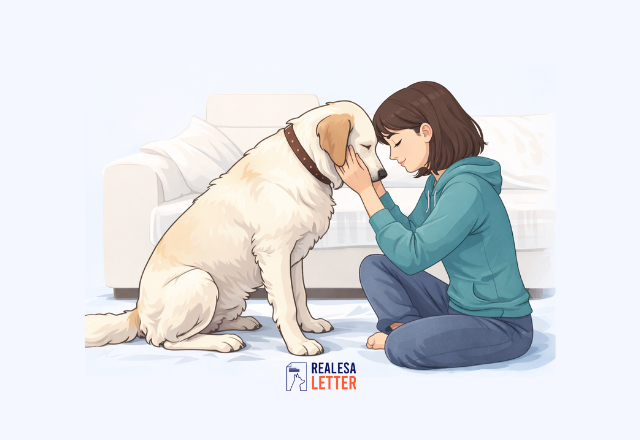
Living with depression can feel isolating, but an ESA can make a difference.
This guide covers how ESAs help with depression, which animals work best, and how to get an ESA letter online from a licensed mental health professional.
Best Emotional Support Animals for Depression
The best Emotional Support Animals (ESAs) for depression offer unconditional companionship, daily structure, and a reason to stay active. Dogs and cats are the most popular choices, but the right ESA depends on your lifestyle, energy level, and how depression affects your daily life.
Below is a breakdown of the most effective ESA options, what each offers and who each suits best.
Dogs: Best ESA for Depression Overall
Dogs are the most common emotional support animal for depression, and the research supports why. Dog owners are four times more likely to meet recommended weekly physical activity levels than non-owners, and exercise is clinically proven to reduce depressive symptoms as effectively as antidepressants in some cases.
Dogs are also uniquely attuned to human emotions. They respond to mood changes, provide physical closeness, and create unavoidable daily structure through feeding and exercise needs, all of which directly counter depression's core symptoms.
Best dog breeds for depression:
- Golden Retriever: Deeply affectionate, emotionally intuitive, and patient. Forms strong bonds and responds naturally to emotional distress. Needs approximately two hours of daily activity ideal for those who need an ESA to encourage movement.
- Labrador Retriever: Loyal, gentle, and highly sensitive to their owner's emotional state. Excellent for individuals who benefit from an active, outdoor-oriented routine.
- Cavalier King Charles Spaniel: Exceptionally gentle and content with quiet companionship. Suits those who need closeness without high energy demands. Requires around one hour of daily activity.
- Poodle: Intelligent, hypoallergenic, and highly adaptable. Available in three sizes making them suitable for any living situation.
- Shih Tzu: A natural lap dog. Thrives on close physical contact and requires minimal outdoor exercise, ideal for apartment living or low-energy days.
Cats: Best ESA for Depression with Low Energy
Cats are particularly well-suited to individuals whose depression makes high-maintenance care feel overwhelming. They are independent enough not to demand constant attention, yet provide meaningful companionship and physical warmth.
Cat purring specifically has documented therapeutic value, research links purring vibrations between 25 and 50 Hz to reduced heart rate, lower blood pressure, and nervous system regulation. For someone managing depression, that passive calming effect requires nothing from you, it simply happens.
Best cat breeds for depression:
- Ragdoll: Calm, affectionate, and known for going limp when held. Exceptional for physical comfort and quiet companionship
- Maine Coon: Gentle, social, and dog-like in their loyalty. Forms deep bonds without being demanding
- Siamese: Highly interactive and vocal. Combats isolation through constant, engaging presence
- Scottish Fold: Calm and people-oriented. Adapts well to small spaces and low-energy environments
Rabbits: Best ESA for Depression in Small Spaces
Rabbits are an increasingly recognized ESA option for people with depression, particularly those in apartments or noise-sensitive environments. Their soft fur provides immediate tactile comfort, their calm temperament reduces anxiety, and they require no outdoor access.
Rabbits form genuine bonds with their owners and respond to consistent handling, making them a meaningful companion without the physical demands of a dog. Many clinical therapy programs now incorporate rabbits specifically for stress and anxiety relief, reflecting their growing therapeutic recognition.
Birds: Best ESA for Depression and Isolation
Birds, particularly cockatiels, budgies, and parakeets are highly social animals that actively combat the isolation that drives depression. Their vocal presence fills silence, their need for daily interaction creates routine, and their long lifespans offer enduring companionship.
Cockatiels and budgies thrive on social time and mental stimulation, meaning they genuinely need you which for someone with depression can be a powerful motivator. Note that birds do best in pairs, so consider getting two to ensure their wellbeing alongside yours.
Small Animals: Best ESA for Depression with Limited Capacity
Guinea pigs and fish offer therapeutic value for individuals whose depression makes higher-commitment animals feel unmanageable.
Guinea pigs are gentle, social, and vocal their communication creates a sense of connection without demanding significant energy. They thrive with regular handling and suit limited living spaces well.
Fish offer a different but documented form of relief. Watching fish swim has measurable meditative and anxiety-reducing effects, lowers blood pressure, and provides a calming visual focal point, requiring almost no physical energy while still offering daily purpose through feeding and tank maintenance.
How to Choose the Right ESA for Your Depression
Choosing the right ESA for depression comes down to matching an animal's temperament, care demands, and energy level with your mental capacity, living situation, and how depression specifically affects your daily functioning.
See the factors that help you find the perfect companion for your mental health journey.
- Energy level: Do you need an ESA that gets you moving outdoors, or one that provides quiet companionship on low-energy days?
- Living situation: Apartment or house? Small space limits certain breeds and species
- Care commitment: How much time, energy, and cost can you realistically sustain during depressive episodes?
- Sociability needs: Do you want an ESA that facilitates social interaction, or one that provides private, low-pressure companionship?
The right match matters. An ESA that fits your life naturally becomes part of your routine, one that doesn't can become a source of additional stress.
How Emotional Support Animals Help with Depression
Emotional Support Animals (ESAs) alleviate depression by offering unconditional companionship that directly counters feelings of isolation and withdrawal. Their consistent presence promotes structure, physical engagement, and emotional stability, while the act of caring for them naturally supports the body's mood-regulating systems.
Key ways an ESA supports depression recovery:
- Biological Changes
Interacting with an ESA lowers cortisol the body's primary stress hormone, while increasing oxytocin and serotonin to actively improve mood. Research shows just 10 minutes of human-animal interaction produces measurable hormonal changes directly linked to emotional regulation.
- Building a Routine
Depression drains motivation, but the necessity of feeding, grooming, and caring for an ESA creates a structured daily routine. Research shows maintaining consistent daily schedules, including regular wake times significantly reduces both depression and insomnia symptoms.
- Combating Loneliness
ESAs provide unconditional companionship, giving you a sense of being needed and keeping you anchored on difficult days. An 8-month clinical trial found individuals who acquired a dog felt significantly less lonely within three months, with over 80% reporting new social connections.
- Encouraging Movement
Walking or playing with your ESA naturally increases physical activity. A recent meta-analysis of 218 trials found exercise was as effective as antidepressants in reducing depressive symptoms, making an active ESA a meaningful part of depression management.
- Emotional Grounding
During depressive episodes, the physical act of petting an animal redirects attention away from ruminating thoughts. Cat owners specifically benefit from purring vibrations, which research links to reduced heart rate and nervous system calming.
Is There Scientific Evidence That Emotional Support Animals Help with Depression?
Yes, scientific evidence confirms that Emotional Support Animals (ESAs) help manage depression. Peer-reviewed research shows that human-animal interaction produces measurable hormonal changes, including reduced cortisol and elevated oxytocin within minutes, leading to lower anxiety, reduced loneliness, and improved psychiatric symptoms.
- A University of Toledo study found statistically significant reductions in depression, anxiety, and loneliness among individuals paired with ESAs
- Just 10 minutes of human-animal interaction measurably lowers cortisol and increases oxytocin
- An 8-month clinical trial found individuals who got a dog felt significantly less lonely within three months.
Research confirms that all pets, not just dogs, lower social isolation and loneliness |
The evidence is clear: emotional support animals are not just companionship. For people managing depression, they are a clinically supported tool for symptom relief.
RealESALetter.com's licensed clinicians conduct ESA evaluations for depression across all 50 states with same-day telehealth consultations available for individuals who do not have an existing provider.
How to Get an ESA Letter for Depression
To get an ESA letter for depression, you must consult a licensed mental health professional. They will assess your condition, confirm that depression substantially limits your daily functioning, and issue a signed letter documenting the animal's role in your treatment plan.
Steps to get ESA Letter for Depression:
- Consult a Licensed Mental Health Professional
Work directly with a licensed mental health professional who can assess your depression and determine whether an ESA is a necessary accommodation.
- If you are already in therapy speak with your current provider. They already know your history and are the quickest, most reliable route to a valid letter
- If you don't have a provider different platforms connect you with state-licensed clinicians for a same-day telehealth evaluation. RealESALetter.com connects individuals with state licensed clinicians who conduct same day telehealth evaluations and issue ESA letters for depression in all 50 states.
- Complete Your Evaluation
Your provider will conduct a consultation, in person or via HIPAA-compliant telehealth to evaluate your depression. Be prepared to discuss how your ESA helps alleviate symptoms such as isolation, disrupted routine, or emotional dysregulation.
- Obtain Your ESA Letter
If your provider determines an ESA is necessary for your treatment, they will issue a formal letter. A legitimate ESA letter must include:
- Provider's full name, license number, and state of licensure
- Date of issue and provider's signature
- Confirmation you are under ongoing care with a recognized mental health condition
- A statement that the animal is a necessary accommodation to manage your symptoms
Note that California, Arkansas, and Louisiana require a 30-day client-provider relationship before a letter can be issued. |
To wrap up, depression can make the world feel impossibly heavy, but you do not have to carry that weight alone. Emotional support animals offer a unique form of healing through constant presence, unconditional affection, and gentle daily motivation.
These animals support emotional regulation, routine, and connection during periods when depression feels overwhelming.
If you believe an emotional support animal could help, begin by speaking with a licensed mental health professional. Platforms like realesaletter.com connect you with qualified providers who conduct proper evaluations and issue valid ESA letters.
Frequently Asked Questions
Is there scientific evidence that ESAs help with depression?

Yes. A University of Toledo study found statistically significant reductions in depression, anxiety, and loneliness among individuals paired with ESAs. Research also confirms that human-animal interaction lowers cortisol, increases oxytocin and serotonin, and that exercise encouraged by ESA ownership rivals antidepressants in reducing depressive symptoms.
Does depression qualify you for an ESA?
Yes. Major depression, persistent depressive disorder, and bipolar disorder with depressive episodes all qualify under DSM-5 criteria. Your condition must substantially limit one or more major life activities to meet the threshold for an ESA letter.
What is the best ESA for depression?
The best ESA for depression depends on your lifestyle and symptoms. Dogs provide structure and encourage physical activity. Cats offer low-maintenance comfort and passive calming through purring. Rabbits and guinea pigs suit limited spaces and low-energy days. There is no single best animal the right fit is the one that naturally integrates into your daily life.
Can I get an ESA for depression and anxiety?
Yes. Depression and anxiety frequently co-occur and both are qualifying conditions for an ESA letter. A single ESA letter covers both conditions when a licensed clinician determines therapeutic benefit. See our full guide on emotional support animals for anxiety for condition-specific detail.RealESALetter.com's clinicians issue ESA letters covering both depression and anxiety under a single evaluation when a licensed clinician determines therapeutic benefit for both conditions.
Can a cat be an emotional support animal for depression?
Yes. Any domesticated animal can qualify as an ESA, including cats. Cats are particularly effective for depression because their purring vibrations between 25–50 Hz are clinically linked to reduced heart rate and nervous system regulation, providing passive therapeutic benefit without demanding energy from you.
Dr. Avery Langston is a health and wellness writer with 12+ years of experience covering ESA rights, housing laws, and mental health. As a senior contributor for RealESALetter, she helps readers understand ESA regulations and legal protections.

Tina Logan is a Licensed Marriage and Family Therapist with 20+ years of clinical experience and an active California Board of Behavioral Sciences license. She conducts ESA and psychiatric service dog evaluations for RealESALetter assessing whether an ESA or task-trained PSD is clinically appropriate.

Don't worry. Your pet stays with you.
Housing law is on your side
- 1A few questions. That's your paperwork
- 2A licensed therapist reviews your case
- 3Official ESA letter, ready to send
Not accepted? Full refund, guaranteed