

Can a Ferret Be an Emotional Support Animal? Laws, Benefits & Letter Guide

25 min read
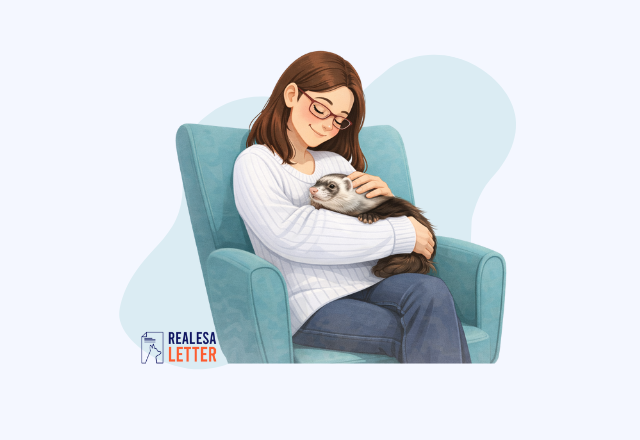
Yes, a ferret can be an emotional support animal. Ferrets are legally recognized as ESAs under the Fair Housing Act (FHA). This means your landlord must make reasonable accommodations for your ferret even in a no-pet building. You just need a valid ESA letter from a licensed mental health professional.
What makes ferrets unique among ESAs is their small size and high affection. They also bring playful energy and a quiet nature. These qualities make them especially well-suited for apartment dwellers. They're also a great fit for individuals who find traditional pets like dogs too demanding.
Let’s find out about emotional support ferrets, including benefits, housing laws, challenges, care requirements, and how to obtain legitimate ESA documentation.
What Is an Emotional Support Ferret?
An emotional support ferret is a domesticated ferret (Mustela putorius furo) that provides therapeutic benefits to individuals with diagnosed mental or emotional conditions.
Unlike service animals, emotional support ferrets don't require specialized training to perform specific tasks. Their companionship, playful nature, and affectionate behavior help alleviate symptoms of mental health conditions.
Ferrets make excellent emotional support animals. Their cuddly, social nature provides constant reassurance. This makes them a strong choice for people seeking comfort and emotional stability. Like dogs and cats, ferrets are highly intelligent. They can even be litter-trained, keeping their living space clean and manageable.
Ferrets are also deeply social and interactive. This helps foster genuine friendship and connection both of which benefit mental health. Their ability to sense emotional shifts is another standout quality.
Some ferrets can detect the onset of anxiety attacks, making them effective companions in animal-assisted therapy. These traits make ferrets a compelling option for individuals managing mental health challenges.
It's worth noting that ferrets have a lifespan of 6–8 years. They are also prone to specific health conditions such as adrenal disease and insulinoma. These are important factors to consider before committing to a ferret as your ESA.
Ferret Personality Traits That Support Mental Health
- Affectionate and cuddly — they seek closeness and physical comfort
- Highly intelligent — they can learn routines and respond to their owner's emotional state
- Social and interactive — they thrive on connection, reducing feelings of isolation
- Litter-trainable — easier to manage in shared or small living spaces
- Emotionally perceptive — some ferrets can sense anxiety or distress before it escalates
Why Choose a Ferret as Your Emotional Support Animal?
Ferrets possess distinct characteristics that make them exceptional emotional support companions for specific individuals and living situations.
- Compact Size for Small Living Spaces
Ferrets typically weigh between 1.5 to 4 pounds and measure 18 to 24 inches including their tail. Their small size makes them ideal for apartment dwellers, students in dormitories, or anyone with limited living space.
Unlike emotional support dogs, which require considerable space, ferrets adapt well to smaller environments while still providing substantial emotional benefits.
- Playful and Engaging Personality
Ferrets are naturally curious and playful, exhibiting behaviors that can lift spirits and provide distraction from anxiety, depression, or PTSD symptoms.
Their entertaining antics, including the "weasel war dance," a joyful hopping and twisting movement, can induce laughter and positive emotions in their owners.
- Relatively Quiet Compared to Dogs
For individuals sensitive to noise or living in noise-restricted housing, ferrets offer a quieter alternative to dogs. While they do make some sounds (dooking, hissing, or screeching when excited or frightened), they don't bark, making them suitable for noise-sensitive environments.
- Lower Exercise Requirements
Though active during their waking hours, ferrets sleep 14 to 18 hours daily. This sleep pattern can be advantageous for individuals whose mental health conditions cause fatigue or limited energy. Ferrets don't require daily walks like dogs, though they do need supervised playtime outside their enclosure.
- Affectionate and Bonding Nature
Ferrets form strong bonds with their owners and actively seek interaction. They enjoy cuddling, playing, and following their humans around the home. This consistent companionship can significantly reduce feelings of isolation and loneliness associated with depression and anxiety disorders.
- Routine and Structure
Caring for a ferret establishes daily routines—feeding, cleaning, playtime—that can benefit individuals struggling with depression or other conditions where maintaining structure is therapeutic. The responsibility of caring for another living being provides purpose and motivation.
Emotional Support Ferret Benefits
Emotional support animals, including ferrets, can provide meaningful therapeutic benefits for a wide range of mental health conditions. However, only a licensed mental health professional can determine whether an ESA is appropriate for your specific situation.
What sets ferrets apart from other ESA options is their unique combination of quiet temperament, sociable personality, small size, and deep bonding ability, making them a genuinely practical and emotionally rewarding choice.
Mental Health Conditions Ferrets Can Help With
Ferrets are not limited to one type of mental health support. They offer comfort and companionship across a broad spectrum of diagnosed conditions.
Anxiety Disorders: Ferrets provide a calm, grounding presence that helps interrupt anxious thought patterns. Their quiet nature makes them especially suitable for those with sensory sensitivities.
- Generalized Anxiety Disorder (GAD)
- Social Anxiety Disorder
- Panic Disorder
- Specific Phobias
Depressive Disorders: Those dealing with depression often struggle with isolation and lack of motivation. Ferrets offer consistent companionship and a daily care routine that creates purpose and structure.
- Major Depressive Disorder
- Persistent Depressive Disorder (Dysthymia)
- Seasonal Affective Disorder
Those struggling with emotional support animals for depression find that ferrets provide consistent companionship during difficult periods.
PTSD: Ferrets can provide grounding during flashbacks and comfort during episodes of heightened anxiety. Their physical closeness and calm demeanor help regulate the nervous system during difficult moments.
ADHD: The structured routine of ferret care, feeding, cleaning, and playtime helps individuals with ADHD build focus, consistency, and a sense of responsibility.
Autism Spectrum Disorder: Many individuals on the spectrum find comfort in the predictable routines and non-judgmental companionship ferrets naturally provide. Their quiet, responsive behavior reduces sensory overwhelm.
OCD: The calming presence of a ferret can help lower the baseline anxiety that often triggers compulsive behaviors, offering a healthy and engaging distraction.
Bipolar Disorder: Ferrets provide stabilizing companionship during both manic and depressive episodes. Their consistent need for care helps anchor daily routines during mood fluctuations.
How Ferrets Provide Therapeutic Benefits
The emotional benefits of ferret ownership are not just anecdotal; they are grounded in well-documented responses to human-animal interaction.
- Reducing cortisol levels — Interacting with animals lowers stress hormones, reducing physical and emotional tension
- Increasing oxytocin — Petting and bonding with a ferret triggers the release of feel-good hormones that promote calm and connection
- Providing distraction — Their playful behavior redirects attention away from negative thought patterns and rumination
- Offering unconditional acceptance — Ferrets don't judge, creating a safe emotional space for their owners
- Encouraging physical activity — Active play sessions provide gentle movement, which supports mood regulation
- Establishing routine — Daily feeding, cleaning, and playtime create a structure that benefits those struggling with depression or low motivation
Ferrets Have a Calm Nature
Relaxation is not easy to find when managing a mental health condition. Ferrets are naturally quiet animals. Unlike dogs, they do not bark or make persistent noise.
They are capable of energetic bursts of play but spend the majority of the day, up to 18 hours, sleeping. This makes them an ideal ESA for individuals who are sensitive to noise, live in shared housing, or simply need a calm and unobtrusive presence at home.
Ferrets Are Social Animals
Ferrets are among the most sociable small animals you can own. They actively seek out their owners, follow them around the home, and thrive on daily interaction. Unlike more independent animals, ferrets engage with you, not just tolerate your presence.
This consistent companionship is especially valuable for individuals managing loneliness, social anxiety, or depression. Building a bond with a ferret gives you a reliable source of warmth and connection that supports mental health recovery over time.
Legal Rights and Protections for Emotional Support Ferrets
Understanding your legal rights regarding emotional support ferrets is essential for leveraging housing protections and avoiding fraudulent ESA services.
Fair Housing Act (FHA) Protections
The Fair Housing Act is the primary federal law protecting emotional support animal owners. Under the FHA:
Housing Providers Must:
- Make reasonable accommodations for ESAs in no-pet housing
- Waive pet deposits and monthly pet fees for legitimate ESAs
- Consider accommodation requests individually
- Not discriminate based on animal species (with limited exceptions)
You Must Provide:
- A legitimate ESA letter from a licensed mental health professional
- Proof that the ferret is well-behaved and won't cause property damage
- Compliance with local health and safety regulations
Exemptions:
- Buildings with four or fewer units where the landlord occupies one unit
- Single-family homes sold or rented without a broker
- Private clubs and religious organizations
Many people wonder can a landlord deny an ESA, and understanding these protections is crucial.
What About Air Travel?
The landscape for ESA air travel changed significantly in 2021. The Department of Transportation's Air Carrier Access Act (ACAA) was revised, and airlines are no longer required to accommodate emotional support animals in airplane cabins. Only trained service dogs maintain air travel protections.
However:
- Some airlines may still allow ESAs at their discretion
- Ferrets can typically fly as pets in-cabin if they meet carrier requirements
- Always contact your airline directly about their specific policies
State and Local Regulations
While federal law provides housing protections, state and local governments may have additional regulations. Check your state's specific laws:
States where ferrets are illegal or restricted:
- California: Illegal to own ferrets (except with special permits)
- Hawaii: Prohibited
- Washington, D.C.: Banned
- New York City: Prohibited within city limits
Always verify local regulations before obtaining an emotional support ferret.
Emotional Support Ferrets in the Workplace
Federal law does not require employers to allow emotional support animals at work. Unlike service animals, ESAs have no guaranteed workplace access rights under the Americans with Disabilities Act (ADA). This means your employer can legally refuse to accommodate your ESA ferret in the office.
That said, some employers may choose to make an exception on a case-by-case basis. If you have a documented mental health condition and can demonstrate that your ferret plays a meaningful role in managing your symptoms, it is worth having an open conversation with your HR department.
Any workplace accommodation would be at the employer's discretion and is not legally enforceable.
How to Get an Emotional Support Ferret Letter Legally
Obtaining a legitimate emotional support animal letter is crucial for legal protections and ethical ESA ownership.
1: Evaluate Your Mental Health Needs: Consider whether an emotional support ferret genuinely addresses your therapeutic needs.
2: Consult with a Licensed Mental Health Professional: A legitimate ESA letter must come from a licensed mental health professional (LMHP) such as:
- Psychiatrist
- Psychologist
- Licensed Clinical Social Worker (LCSW)
- Licensed Professional Counselor (LPC)
- Licensed Marriage and Family Therapist (LMFT)
The professional must be licensed in your state of residence. Some wonder can a primary care physician write an ESA letter, and the answer depends on specific circumstances.
3: Establish a Therapeutic Relationship: Ethical mental health professionals require a legitimate client-provider relationship before issuing ESA letters. This typically involves:
- Initial consultation to discuss your mental health history
- Assessment of your condition and treatment needs
- Discussion of how an ESA might benefit your specific situation
- Ongoing treatment relationship (not a one-time consultation)
4: Request an ESA Letter: If your mental health provider determines an emotional support ferret would benefit your treatment, they can issue an ESA letter.
What does an ESA letter look like?
Required Elements:
- Provider's letterhead
- Date of issuance
- Provider's license number, type, and issuing state
- Statement that you have a mental health condition recognized in the DSM-5
- Statement that the ESA is necessary for your mental health treatment
- Provider's signature
Legitimate services like RealESALetter.com connect individuals with licensed professionals for proper ESA evaluations, ensuring compliance with all legal requirements.
5: Present Documentation When Needed: Use your ESA letter when:
- Applying for housing with no-pet policies
- Requesting reasonable accommodation from landlords
- Responding to pet policy violations regarding your ESA
Never:
- Use fake ESA letters or certifications
- Claim your ferret is a service animal
- Purchase fake "ESA registration" from scam websites
Challenges of Having an Emotional Support Ferret
Ferrets make wonderful ESA companions, but it is important to go in with clear expectations. Here are the key challenges to consider before getting an emotional support ferret.
- Short Lifespan
Ferrets typically live between 5 to 8 years significantly shorter than dogs or cats, which can live well over a decade. Selective breeding practices focused on aesthetics and temperament have also contributed to shortening their lifespan over time.
For individuals relying on a ferret as a long-term emotional support companion, this means facing grief sooner than expected. The loss can be deeply painful and may worsen the very mental health conditions the ferret was helping manage. This is an important reality to discuss with your mental health provider before committing.
- Short Attention Spans
Ferrets are highly intelligent and curious, but they are also known for short attention spans. They lose interest quickly and move on to the next activity. Unlike dogs, ferrets will not sit attentively with you for long periods.
This can be frustrating for individuals who seek a steady, consistent presence. If you need an ESA that offers calm and focused companionship, a ferret may not always deliver that.
- Bite Risk
Ferrets explore the world with their mouths. Young or improperly socialized ferrets can nip and bite, sometimes causing real injury. Children should never be left unsupervised with a ferret. Proper bite inhibition training can resolve most nipping, but it requires consistency and patience over several weeks.
- Strong Natural Odor
Ferrets produce a naturally musky scent from their skin glands. Even with regular cage cleaning, this odor can linger in smaller living spaces. Over-bathing makes it worse; it strips natural oils, causing the glands to overproduce. Spaying or neutering significantly reduces odor, as does a clean diet and weekly cage maintenance.
Housing Note: Some landlords cite odor as a concern when resisting ESA accommodation requests. Be prepared to demonstrate good hygiene practices if challenged.
- High Supply and Care Costs
Ferrets require a range of supplies that add up quickly. Cages, carriers, litter boxes, hammocks, tunnels, specialized food, and toys are all essential. Ferrets are obligate carnivores with specific dietary needs, meaning standard pet food is not sufficient.
These ongoing costs can add financial stress, particularly for those on a tight budget. Before committing, make sure you can comfortably afford consistent care without it becoming a source of anxiety.
- Ferrets Work Best in Pairs
Ferrets are highly social animals that thrive with companionship. Ideally, they should be kept in pairs or small groups. A single ferret may not have its social needs fully met, which can affect its behavior and emotional wellbeing.
If one ferret in a pair passes away, the remaining ferret may show visible signs of grief and require extra attention. This also means more cost and responsibility from the start.
- Need for Space and Freedom
Ferrets are adventurous and independent. They dislike being confined for long periods and need regular out-of-cage time to stay mentally healthy. They require at least 3 to 4 hours of supervised free-roam playtime daily. This may be difficult for individuals whose mental health conditions affect their energy, mobility, or ability to maintain consistent routines.
- Mischievous and Escape-Prone Behavior
Ferrets are natural escape artists. Their flexible spines allow them to squeeze through surprisingly small gaps. They also chew wires, swallow small rubber or foam objects a serious intestinal blockage risk and climb into dangerous spaces. Thorough ferret-proofing of your home is essential and takes real effort before allowing any free-roam time.
- Sensitive to Heat
Ferrets have very low heat tolerance. Temperatures above 85°F can cause heat stress, and prolonged exposure can lead to heatstroke. Owners must ensure their living space stays consistently cool, which may mean additional air conditioning costs. This is a significant practical challenge for those living in warmer climates or without reliable climate control.
- Specialized Veterinary Care
Not all vets treat ferrets. You will likely need an exotic animal specialist, which means higher consultation fees, longer travel distances, and limited emergency care options in rural areas.
Common ferret health conditions like adrenal disease and insulinoma can cost $1,000 to $3,000 to treat. Pet insurance for ferrets exists but is limited. Budget carefully before committing.
Choosing the Right Ferret for Emotional Support
Not all ferrets have temperaments suited for emotional support roles. Consider these factors when selecting your ferret companion.
Ferret Types and Color Variations
While all domestic ferrets belong to the same species, they come in various colors and patterns:
- Sable: Most common, with dark brown guard hairs
- Albino: White fur with red eyes
- Silver: Gray-white fur with dark eyes
- Cinnamon: Reddish-brown coloring
- Panda: White head with darker body
Color doesn't affect temperament, but individual personality varies significantly.
Age Considerations
Baby Ferrets (Kits):
- More energetic and nippy during teething
- Require extensive socialization and training
- Bond strongly with dedicated owners
- Need more frequent supervision
Adult Ferrets:
- More predictable temperament
- Already socialized if from good homes
- May have established behavioral patterns
- Often available through ferret rescues
For emotional support purposes, adopting an adult ferret with a known, calm temperament may be advantageous.
Male vs. Female Ferrets
Males (Hobs):
- Larger size (3-4 pounds)
- More laid-back and cuddly
- Less active than females
- Better for those seeking calm companionship
Females (Jills):
- Smaller size (1.5-2.5 pounds)
- More energetic and active
- Curious and playful
- Better for those seeking engaging interaction
Where to Obtain Your Emotional Support Ferret
Ferret Rescues and Shelters: Adopting from rescues provides homes for ferrets in need while often offering adult ferrets with known temperaments. Staff can help match you with a ferret suited for emotional support.
Reputable Breeders: Choose breeders who prioritize health and temperament, allow facility visits, provide health guarantees, and socialize kits from birth.
Avoid:
- Pet stores that source from large-scale breeding operations
- Online sellers without a verifiable reputation
- Any source that cannot provide health documentation
How to Care for an ESA Ferret?
Proper ferret care is essential for their well-being and your ability to maintain a healthy therapeutic relationship. A well-cared-for ferret is more affectionate, more emotionally stable, and far more effective as an emotional support companion. Meeting their needs consistently is not just good pet ownership it directly supports your own mental health.
Did You Know? Ferrets have been domesticated for over 2,000 years, originally bred to hunt rodents. Their curious, bold, and affectionate nature is deeply built into their DNA. |
Cage Requirements
Your ferret's cage is their primary living space. Size, structure, and accessories all matter for their physical and mental wellbeing.
Requirement | Minimum Standard |
Size (1 ferret) | 3 ft (L) × 3 ft (W) × 2 ft (H) |
Size (2 ferrets) | 4 ft (L) × 3 ft (W) × 2 ft (H) |
Flooring | Solid only — wire flooring damages paws |
Levels | Multi-level with ramps for enrichment |
Latches | Ferret-proof — they can open simple latches |
Accessories | Hammocks, tunnels, hiding spots, litter box |
Ferret-Proofing Your Home
Ferrets need supervised out-of-cage time every day. Before allowing your ferret to roam freely, make sure the space is safe:
- Block all gaps behind appliances and furniture
- Secure or cover electrical cables and cords
- Remove foam, rubber, or soft plastic items — choking hazards
- Eliminate toxic houseplants such as lilies and pothos
- Close toilet lids and block access to washing machines
- Secure cabinets containing cleaning products or food
- Remove all small objects they could swallow
Choosing the Right Veterinarian
Not every veterinarian is equipped to treat ferrets. Ferrets are classified as exotic animals and require a vet with specific experience in exotic or small animal medicine. A general practice vet may not accurately diagnose ferret-specific conditions like adrenal disease or insulinoma.
When searching for a vet, look specifically for exotic animal clinics or small animal specialists in your area. Ask directly whether they have hands-on experience treating ferrets before booking. Establishing this relationship early, before any health issues arise, means faster and more reliable care when your ferret needs it most.
A healthy ferret is a more effective emotional support animal. Regular checkups, prompt treatment, and preventive care all contribute to a longer and more stable companionship that directly supports your mental health.
Routine Veterinary Care
Once you have found a qualified vet, maintain a consistent care schedule:
- Annual wellness exams
- Distemper vaccinations
- Rabies vaccinations are required in most jurisdictions
- Parasite prevention checks
Spaying and Neutering Spaying and neutering are essential for both health and behavior. Unspayed females can develop potentially fatal anemia if not bred during a heat cycle. Intact males produce strong musky odors and can display aggressive behavior. Spaying or neutering also significantly reduces overall body odor.
Common Health Issues to Watch For
- Adrenal disease
- Insulinoma low blood sugar
- Lymphoma
- Gastrointestinal blockages
Veterinary Costs: Budget $200 to $400 annually for routine care. Set aside additional emergency funds for unexpected illness. Treatment for conditions like adrenal disease can cost $1,000 to $3,000, so financial preparation is important.
Diet, Nutrition, and ESA Performance
What you feed your ferret directly affects their energy levels, temperament, and behavior. A ferret on a poor diet may become lethargic, irritable, or prone to health problems, all of which reduce their effectiveness as an emotional support companion.
Ferrets are obligate carnivores. Their digestive system is built for meat, not plant matter or fillers.
Feed Your Ferret:
- High-quality ferret kibble with a minimum 35% protein and 15–20% fat
- Raw or freeze-dried meat as a supplement
- Fresh water available at all times
Avoid:
- Fruits and vegetables — ferrets cannot digest plant matter
- Dog or cat food — insufficient protein content
- Dairy products
- Sugary treats — these cause blood sugar spikes that affect mood and behavior
Feeding your ferret the right diet keeps them active, mentally sharp, and emotionally responsive. A consistently well-nourished ferret is more stable, more affectionate, and better equipped to support your emotional health every day.
Enrichment and Mental Stimulation
A ferret that is bored or understimulated will become restless, destructive, and harder to manage. Meeting their enrichment needs is not optional it directly affects how well they function as an emotional support animal.
Interactive toys such as crinkle balls, puzzle feeders, and wand toys keep ferrets mentally engaged during playtime. Rotating toys regularly prevents boredom and maintains the curious, engaged temperament that makes ferrets effective ESA companions.
Research on human-animal interaction confirms that well-enriched, mentally stimulated pets show reduced anxiety and more stable, affectionate behavior. For ESA owners, this matters. A calm and engaged ferret is far more capable of providing consistent emotional support than one that is stressed or under-stimulated.
Grooming and Hygiene
Regular grooming keeps your ferret healthy, reduces odor, and makes handling more comfortable for both of you.
Grooming Schedule:
- Nail trimming every 2 to 3 weeks
- Ear cleaning once a month
- Bathing only when necessary over-bathing strips natural oils and increases odor production
- Dental care monitoring at vet visits
Managing Ferret Odor: Ferrets produce a natural musky scent from their skin glands. You can minimize this by:
- Spot cleaning the cage daily and deep cleaning weekly
- Washing bedding every week
- Maintaining a proper meat-based diet
- Using ferret-safe odor neutralizers
Spaying or neutering your ferret is the single most effective step for long-term odor reduction.
Time and Attention Requirements
Ferrets are not low-maintenance animals. Before committing, make sure your daily routine can accommodate their needs:
- 3 to 4 hours of supervised out-of-cage playtime every day
- Daily feeding and fresh water
- Daily litter box cleaning
- Regular interaction and bonding time
- Mental stimulation through toys, games, and exploration
If your mental health condition affects your energy levels or ability to maintain consistent routines, consider whether you can reliably meet these requirements. A ferret that does not receive enough time and attention will not thrive, and an unhappy ferret cannot effectively support your emotional health.
How to Train a Ferret to Be an Emotional Support Animal?
Emotional support animals do not require formal task training the way service animals do. Their companionship and presence alone are what qualify them as ESAs. However, a well-trained and socialized ferret is a better companion and easier to manage in housing situations. The goal is not to teach commands but to build trust, good habits, and a strong emotional bond.
Here is how to prepare your ferret for its role as an ESA.
Litter Training
Ferrets naturally tend to eliminate in corners, which makes litter training relatively straightforward. Place litter boxes in the corners of the cage where your ferret already eliminates.
Use ferret-safe litter, avoid clay or clumping varieties, as these can cause respiratory issues. Reward successful litter box use immediately with a small treat to reinforce the behavior.
When accidents happen outside the box, clean them up immediately with an enzymatic cleaner to remove the scent and discourage repeat behavior in the same spot.
Most ferrets become reliably litter trained within a few weeks with consistent reinforcement. During free-roam time, place additional litter boxes in the corners of the room so your ferret always has easy access.
Bite Inhibition Training
Young ferrets explore everything with their mouths, and nipping is common, especially during play. It does not mean your ferret is aggressive it means it needs guidance. When bitten, say "no" firmly in a calm but clear voice and immediately stop all interaction. Place the ferret back in its cage for five minutes as a short time-out. Resume play only when it is calm. Never use physical punishment of any kind.
Scruffing, flicking, or hitting causes fear and anxiety, which worsens biting over time. Consistent repetition of the same response every time your ferret nips is what creates change. Most ferrets show significant improvement within a few weeks, though some may take a few months depending on age and history.
Socialization
Early and consistent socialization is one of the most important things you can do to prepare your ferret as an ESA. A well-socialized ferret is confident, calm, and emotionally responsive all qualities that make it a more effective support companion. Handle your ferret gently and frequently from a young age.
Introduce it gradually to different people, sounds, environments, and situations. Use treats and calm reassurance to create positive associations with new experiences.
Avoid overwhelming your ferret by introducing changes one at a time. If you have adopted an older ferret, socialization is still possible; it simply requires more patience and consistency.
Bonding Activities
The strength of the bond between you and your ferret directly determines how effective it will be as an emotional support animal. A ferret that trusts you deeply will seek out your company, respond to your emotional state, and provide comfort naturally. Spend at least 30 minutes of dedicated one-on-one time with your ferret daily.
This can include interactive play with wand toys or tunnels, hand-feeding small treats to build trust, and gentle cuddling or quiet time together. Talk to your ferret regularly; they recognize their owner's voice and respond to familiar sounds. Over time, these daily rituals build a deep, reliable bond that forms the foundation of effective emotional support.
Alternatives to Emotional Support Ferrets
If after consideration a ferret doesn't suit your situation, other ESA options include exploring types of animals as ESA:
Small Mammals:
- ESA Rabbits
- ESA Guinea pigs
- ESA Rats
Birds:
- ESA Parrots
- ESA Cockatiels
- ESA Budgerigars
Traditional Options:
- ESA Dogs
- ESA Cats
Aquatic Animals:
- ESA Fish (particularly beneficial for calming environments)
Each species offers unique benefits. Consult with your mental health provider about the best match for your therapeutic needs.
Is an Emotional Support Ferret Right for You?
Emotionally supportive ferrets can provide meaningful therapeutic benefits for individuals managing mental health challenges. Their playful energy, affectionate behavior, and small size make them appealing alternatives to more traditional emotional support animals, especially for people living in apartments or seeking highly interactive companionship.
That said, owning a ferret requires careful consideration. Prospective owners should evaluate their mental health needs, ability to meet ferret care requirements, local laws governing ferret ownership, housing policies, and the financial commitment involved in long-term care and veterinary expenses.
Ethical ESA ownership also means obtaining legitimate documentation from a licensed mental health professional, understanding legal rights and limitations, and choosing reputable sources when acquiring a ferret.
When thoughtfully chosen, an emotional support ferret can be a rewarding companion that offers comfort, engagement, and emotional connection. If you’re wondering how to get an emotional support animal letter, services like RealESALetter.com connect individuals with licensed mental health professionals who provide compliant ESA documentation while prioritizing animal welfare and ethical standards.
Frequently Asked Questions
Can I get an emotional support ferret if I live in California?

Ferret ownership is illegal in California, except with special permits for medical research or breeding. Unfortunately, even with a legitimate ESA letter, California's state law prohibiting ferret ownership supersedes federal ESA housing protections. Residents should explore alternative ESA options.
Do emotional support ferrets need to wear vests or identification?
No. Unlike service animals, ESAs have no legal requirement to wear identifying vests, tags, or carry certification cards. In fact, representing an ESA as a service animal by using service animal gear is illegal in many states and could result in fake service dog penalties.
Can my landlord charge pet fees for my emotional support ferret?
No. Under the Fair Housing Act, landlords cannot charge pet rent for ESA, pet deposits, or pet fees for legitimate emotional support animals. However, you remain financially responsible for any property damage your ferret causes beyond normal wear and tear.
Can I have multiple emotional support ferrets?
Yes, if your mental health provider determines that multiple ferrets are necessary for your treatment. Ferrets are social animals that often thrive in pairs or groups, which may benefit some individuals. Your ESA letter should specify the number of animals if requesting accommodation for multiple ESAs.
How do I prove my ferret is an emotional support animal to my landlord?
Present your legitimate ESA letter from a licensed mental health professional. The letter should be on professional letterhead and contain all required elements (provider's license information, statement of your disability, and recommendation for the ESA). You may also need to provide proof that your ferret has required vaccinations.
Are emotional support ferrets allowed in college dorms?
College housing is subject to FHA protections, so universities must provide reasonable accommodations for ESAs, including ferrets, if you have a legitimate ESA letter.
However, contact your school's disability services or housing office to understand their specific accommodation request process, which may have deadlines and additional documentation requirements.
Can I Have a Ferret as an Emotional Support Animal?
Yes, you can have a ferret as an emotional support animal. Ferrets are legally recognized as ESAs under the Fair Housing Act.
There is no federal restriction on which animal species can qualify as an ESA, as long as the animal is domestic and does not pose a threat to others. To have your ferret officially recognized, you need a valid ESA letter from a licensed mental health professional.
Keep in mind that ferret ownership is prohibited in some states and cities, including California, Hawaii, Washington D.C., and New York City. Always check your local laws before getting a ferret as an ESA.
How to Get an Emotional Support Ferret?
Getting an emotional support ferret involves two steps: getting the ferret and getting the documentation.
To get a ferret, you can adopt from a ferret rescue or shelter, or purchase from a reputable breeder. Rescues are a good option as they often have adult ferrets with known temperaments. Avoid pet stores that source from large-scale breeding operations.
To get your ferret officially recognized as an ESA, you need to:
- Consult a licensed mental health professional
- Complete an evaluation discussing your mental health condition and how an ESA would help
- Receive a valid ESA letter if approved
That letter is the only document you need. No registration, no certificate, and no vest is required by law.

WRITTEN BY
Dr. Avery Langston
Dr. Avery Langston is a licensed clinical therapist with more than 12 years of professional experience in emotional support animal (ESA) assessments, mental health counseling, and evidence-based therapeutic interventions. With a strong foundation in clinical psychology and a passion for mental-health education, Avery has guided thousands of individuals through the ESA qualification process while promoting emotional healing and stability. As a senior content contributor for RealESALetter.com, Avery focuses on writing accurate, accessible, and legally informed articles on ESA rights, housing protections, and mental wellness. Her mission is to help readers understand their ESA benefits clearly and confidently, backed by real clinical expertise.

Share this Article