



Living with anxiety, depression, or other mental health conditions often disrupts the rhythms that keep us grounded. When emotional turbulence makes it difficult to maintain consistent habits, an emotional support animal (ESA) can become the anchor that helps restore balance to your daily life.
Unlike service animals trained for specific tasks, emotional support animals provide therapeutic benefits through their presence and companionship. The unconditional love and predictable needs of an ESA create a framework that naturally encourages healthier routines. This structured approach to daily living has been shown to significantly improve mental health outcomes for individuals managing various psychological conditions.
Research consistently demonstrates that pet ownership correlates with improved mental well-being, reduced stress levels, and enhanced social connections. For individuals with a legitimate ESA letter from a licensed mental health professional, these benefits are intentionally integrated into a treatment plan.
Let’s explore twelve powerful ways emotional support animals help establish and maintain healthy routines that support your mental health journey.
1. Creating a Consistent Wake-Up Schedule
One of the most immediate ways an emotional support animal influences your routine is by establishing a regular wake-up time. Animals thrive on consistency, and your ESA will naturally develop an internal clock around feeding times, walks, and morning activities.
How ESAs Promote Morning Consistency
Dogs, cats, and other emotional support animals often wake at similar times each day, gently encouraging you to rise with them. This biological rhythm helps combat the irregular sleep patterns common in depression and anxiety disorders. Rather than sleeping excessively or waking at inconsistent times, you develop a natural morning anchor.
Mental health benefits include:
- Regulated circadian rhythm supporting better overall sleep quality
- Reduced morning anxiety through purposeful activity
- Decreased depressive symptoms associated with sleep disruption
- Enhanced sense of responsibility and accomplishment
- Immediate motivation to start the day positively
The act of caring for another living being first thing in the morning provides immediate purpose, which can be particularly valuable for individuals experiencing motivational challenges related to mental health conditions. This morning routine creates momentum that often carries through the entire day, making subsequent tasks feel more manageable.
2. Encouraging Regular Physical Activity and Exercise
Physical activity stands as one of the most effective natural treatments for anxiety and depression, yet motivation often becomes the barrier. Emotional support animals, particularly best emotional support dogs, create non-negotiable opportunities for movement throughout your day.
The Exercise-ESA Connection
Walking your emotional support dog isn't optional; it's a responsibility that gets you moving regardless of how you feel. This external motivation circumvents the paralysis that often accompanies mental health struggles. Multiple daily walks create natural exercise intervals that accumulate significant health benefits over time.
Incorporating light training during walks, such as reinforcing the heel dog command, adds both physical engagement and mental focus. Practicing the heel dog command encourages structured movement, improves leash behavior, and strengthens the bond between you and your ESA, while keeping you actively involved in the moment.
Research-backed benefits include:
- Increased endorphin production reduces depressive symptoms
- Lowered cortisol levels decrease anxiety
- Improved cardiovascular health supports overall well-being
- Enhanced mood regulation through consistent physical activity
- Better weight management and energy levels
- Exposure to natural sunlight boosts vitamin D production
Even for those with ESA cats, birds, or other animals, the increased household activity, playing, cleaning habitats, or engaging in interactive care, elevates daily movement beyond sedentary patterns. Interactive play sessions with cats, for instance, can provide surprising amounts of physical activity while strengthening the human-animal bond.
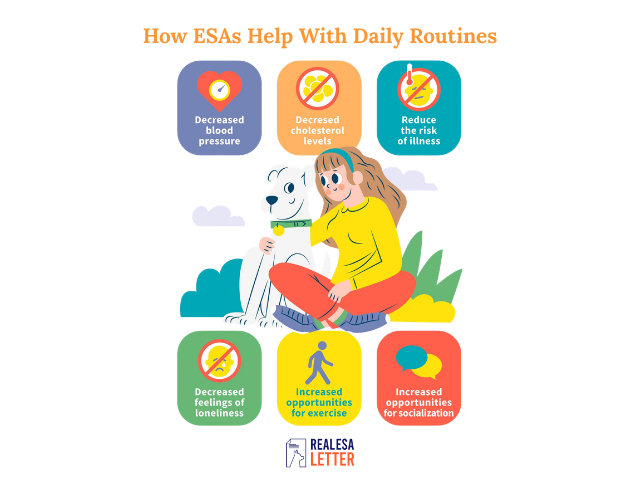
Studies show that dog owners walk an average of 22 minutes more per day than non-owners, directly translating to measurable improvements in both physical and mental health outcomes. This consistent movement helps regulate sleep patterns, improve appetite, and enhance overall energy levels.
3. Establishing Predictable Meal Times
Regular eating patterns significantly impact mental health, yet depression and anxiety frequently disrupt normal appetite and meal routines. Emotional support animals require consistent feeding schedules, which naturally encourages you to eat at regular intervals as well.
Nutritional Routine Through Pet Care
When you prepare meals for your ESA at set times, you're more likely to nourish yourself simultaneously. This parallel routine combats the tendency to skip meals or eat irregularly, behaviors that can exacerbate mood disorders and energy fluctuations. The act of feeding your animal becomes a reminder to fuel your own body.
Key advantages include:
- Stabilized blood sugar levels supporting emotional regulation
- Reduced anxiety from hunger-related physical symptoms
- Mindful eating habits through structured meal times
- Improved nutrition awareness benefits both you and your animal
- Natural appetite regulation through consistent scheduling
- Decreased likelihood of emotional or binge eating
The simple act of having designated meal times for your emotional support animal creates predictable breaks in your day, providing natural transitions and time markers that enhance overall structure. Many individuals find that planning meals for their ESA prompts them to consider their own nutritional needs more carefully, leading to healthier food choices overall.
4. Reducing Stress Through Tactile Comfort and Presence
The therapeutic power of touch cannot be overstated in mental health treatment. Emotional support animals provide constant opportunities for calming physical contact that actively reduces stress hormones and promotes relaxation.
The Science of Animal-Assisted Comfort
Petting, stroking, or simply sitting with your ESA triggers the release of oxytocin, often called the "bonding hormone", while simultaneously decreasing cortisol production. This biochemical response creates immediate anxiety relief and long-term stress management benefits. The repetitive motion of stroking fur or feathers has a meditative quality that grounds you in the present moment.
Documented therapeutic effects:
- Lowered blood pressure and heart rate during stressful moments
- Decreased anxiety symptoms through grounding touch
- Improved emotional regulation via soothing presence
- Enhanced feelings of safety and security
- Reduced muscle tension and physical stress manifestations
- Improved immune system function through stress reduction
Unlike human relationships that may feel complicated or demanding, the uncomplicated affection of an emotional support animal provides stress relief without judgment or expectation.
This unconditional support becomes particularly valuable during mental health crises or challenging periods. The physical warmth and rhythmic breathing of your ESA can create an almost instantaneous calming effect during anxiety attacks or moments of overwhelming emotion.
5. Combating Social Isolation and Loneliness
Mental health conditions frequently lead to social withdrawal, creating a harmful cycle where isolation worsens symptoms. Emotional support animals naturally facilitate social connections while simultaneously providing companionship that reduces loneliness.
ESAs as Social Catalysts
Walking a dog or visiting pet-friendly spaces with your emotional support animal creates organic opportunities for social interaction. Other pet owners often initiate conversations, reducing the anxiety associated with social situations while gradually rebuilding confidence in interpersonal engagement. These casual encounters require no long-term commitment but provide valuable social practice.
Social and emotional benefits:
- Reduced feelings of loneliness through constant companionship
- Natural conversation starters easing social anxiety disorder
- Community connections through pet-related activities
- Decreased risk of social isolation complications
- Built-in topic for small talk, reducing social pressure
- Sense of belonging within pet owner communities
Even for individuals with emotional support animals that don't venture outdoors regularly, online pet communities, veterinary appointments, and pet supply shopping provide structured social opportunities that might otherwise feel overwhelming.
Sharing photos or stories about your ESA on social media platforms dedicated to pet owners can create meaningful virtual connections that help combat isolation.
The presence of an ESA at home ensures you're never truly alone, providing emotional support during difficult moments when reaching out to humans feels impossible. This constant companionship helps fill the void that social isolation creates while simultaneously giving you confidence to gradually re-engage with broader social networks.
6. Building Responsibility and Daily Purpose
Depression often strips away the sense of meaning and purpose, making it difficult to care for oneself, let alone maintain daily responsibilities. An emotional support animal creates non-negotiable obligations that cultivate accountability and structure.
Purpose Through Caregiving
Your ESA depends on you for survival and well-being, creating external motivation when internal drive disappears. This responsibility becomes therapeutic, offering clear daily objectives that combat the aimlessness common in depressive episodes. The knowledge that another living being relies on you can be profoundly motivating even during the darkest periods.
Psychological advantages include:
- Enhanced self-worth through successful caregiving
- Structured daily tasks providing measurable accomplishments
- Reduced rumination through focus on another's needs
- Improved executive function via routine task completion
- Sense of being needed and valued
- Natural accountability prevents complete withdrawal
The predictable care requirements, feeding, grooming, exercise, and veterinary visits, create a framework that organizes your day around actionable items. Successfully meeting these responsibilities builds confidence and reinforces positive self-perception. Each completed task, no matter how small, provides tangible evidence of your capability and reliability.
This caregiving role can be particularly valuable for individuals who struggle with feelings of worthlessness or inadequacy. Successfully maintaining the health and happiness of your ESA demonstrates competence in a concrete, visible way that counters negative self-perception.
7. Improving Sleep Quality and Bedtime Routines
Sleep disturbances plague most mental health conditions, creating a vicious cycle where poor sleep worsens symptoms. Emotional support animals help establish healthy sleep hygiene through consistent bedtime routines and nighttime comfort.
ESAs and Sleep Regulation
Animals naturally settle into evening routines, signaling when it's time to wind down. This behavioral cue helps establish consistent bedtimes, while the calming presence of your ESA can ease nighttime anxiety and racing thoughts that interfere with sleep onset. The physical warmth and steady breathing pattern of a sleeping animal can have remarkably soothing effects.
Sleep-related benefits:
- Consistent sleep-wake cycles improve sleep quality
- Reduced nighttime anxiety through comforting presence
- Decreased insomnia symptoms via relaxation response
- Enhanced feelings of safety promote deeper sleep
- Natural white noise from breathing reduces environmental disturbances
- Physical warmth promotes relaxation and comfort
Many individuals with PTSD, anxiety disorders, or panic conditions report that sleeping with their emotional support animal nearby significantly reduces night terrors, anxiety attacks, and general sleep disruption. The rhythmic breathing of a sleeping pet creates a meditative focus that can help quiet an overactive mind.
The evening routine of preparing your ESA for bed, final walk, last feeding, settling into sleeping spots, creates a consistent wind-down sequence that signals your body it's time for sleep. This predictable transition helps establish healthy sleep hygiene practices that benefit long-term sleep quality.
8. Establishing Mindfulness and Present-Moment Awareness
Anxiety often manifests as worry about the future, while depression frequently involves rumination about the past. Emotional support animals naturally anchor you in the present moment, cultivating mindfulness that supports mental health recovery.
Living in the Moment with Your ESA
Animals exist entirely in the present, and their engagement with immediate experiences, whether playing, eating, or simply observing, invites you into that same mindful state. This present-moment focus interrupts harmful thought patterns and reduces emotional distress. Watching your ESA's genuine enthusiasm for simple pleasures can remind you to appreciate immediate experiences.
Mindfulness benefits include:
- Decreased rumination reduces depressive symptoms
- Lower anxiety through focus on the current experience
- Enhanced emotional regulation via grounding techniques
- Improved stress management through present-awareness
- Reduced catastrophic thinking patterns
- Greater appreciation for simple daily pleasures
Interactive activities with your emotional support animal such as reinforcing dog basic commands, participating in structured training sessions, playtime, or grooming require your full attention. Practicing dog basic commands like “sit,” “stay,” or “heel” encourages consistency, patience, and present-moment awareness, creating a natural mindfulness exercise that may feel more accessible than formal meditation for many individuals.
The tactile sensations of petting, the sounds of purring or gentle breathing, and the visual focus on your animal's movements all serve as mindfulness anchors.
This present-moment awareness extends beyond direct interactions with your ESA. Observing your animal's curiosity, playfulness, and contentment can teach valuable lessons about being fully engaged with current experiences rather than lost in anxious or depressive thought spirals.
9. Providing Routine During Life Transitions and Crises
Major life changes, moving, job loss, relationship endings, and health diagnoses, destabilize routines precisely when structure becomes most crucial for mental health. Emotional support animals provide continuity and consistency during these transitional periods.
Stability Through Change
While everything else may feel chaotic or uncertain, your ESA's needs remain constant. This predictability creates an island of routine within the storm of change, offering emotional grounding when external circumstances feel uncontrollable. The familiar rhythm of caring for your animal provides stability amid upheaval.
Crisis support advantages:
- Consistent daily structure despite external changes
- Emotional comfort during uncertain periods
- Reduced trauma symptoms through stabilizing presence
- Enhanced coping capacity via routine maintenance
- Sense of normalcy amid chaos
- Something positive to focus on during difficult times
The therapeutic relationship with an emotional support animal often remains one of the most stable elements in someone's life, providing unwavering support regardless of external circumstances. This reliability becomes particularly valuable for individuals with trauma histories or adjustment disorder.
During transitions, when motivation and energy may be especially depleted, your ESA's non-negotiable needs ensure you continue basic self-care routines. The animal doesn't understand or care about your life changes; they still need feeding, exercise, and attention. This constancy can be profoundly grounding and prevent complete abandonment of healthy routines during crisis periods.
10. Encouraging Self-Care Through Animal Care
Perhaps counterintuitively, caring for an emotional support animal often improves self-care habits. The attention you give to your ESA's wellness frequently extends to your own health practices, creating parallel routines that benefit both of you.
The Self-Care Connection
When you take your dog for grooming, you might schedule your own haircut. When you're mindful of your ESA's nutrition, you become more conscious of your own dietary choices. When you maintain veterinary appointments, you're more likely to attend your own medical and mental health appointments. This parallel care model creates natural opportunities for improved self-care.
Self-care improvements include:
- Better personal hygiene through parallel routines
- Enhanced healthcare engagement via appointment modeling
- Improved living environment through regular cleaning
- Greater wellness awareness affecting multiple life areas
- Increased attention to preventive health measures
- Better boundary-setting around self-care time
The compassion you naturally extend to your emotional support animal becomes practice for self-compassion, a critical component of mental health recovery often difficult for those with depression, anxiety, or trauma histories. If you can prioritize your animal's needs without guilt, you can gradually learn to extend the same consideration to yourself.
Many individuals find it easier to justify self-care activities when they're framed as necessary for maintaining their ability to care for their ESA. If you need to be healthy and stable to properly care for your animal, then taking care of yourself becomes less selfish and more essential.
11. Developing Time Management and Organizational Skills
Mental health conditions often impair executive function, making time management and organization challenging. Emotional support animals naturally require scheduling and planning, which helps develop these crucial life skills.
Structure Through Scheduling
Coordinating your ESA's needs, feeding times, walks, play sessions, grooming appointments, and veterinary visits requires planning and time management. This organizational necessity extends beyond pet care, often improving overall life management skills. You learn to anticipate needs, plan, and follow through on commitments.
Organizational benefits include:
- Improved time awareness through scheduled activities
- Enhanced planning skills via anticipating animal needs
- Better calendar management for appointments
- Increased follow-through on commitments
- Development of daily and weekly planning habits
- Improved prioritization of important tasks
For individuals with ADHD or executive function difficulties, the concrete, immediate consequences of missing pet care tasks provide natural feedback that helps reinforce planning behaviors. Missing a feeding time means a hungry, insistent animal immediate, clear feedback that promotes better time management.
The need to coordinate your schedule around your ESA's requirements also helps establish healthy boundaries around work and other obligations. You learn to leave work on time for walks, decline activities that would leave your animal alone too long, and structure your day around non-negotiable care tasks. These boundaries often extend to a better overall life balance
12. Promoting Emotional Awareness and Expression
Many mental health conditions involve difficulty identifying, understanding, or expressing emotions. Emotional support animals help develop emotional literacy through the attunement required in caring for them.
Learning Emotional Intelligence Through Animal Care
Reading your ESA's needs requires attention to subtle cues—body language, vocalizations, behavioral changes. This practice in observing and responding to another being's emotional state builds emotional awareness that often extends to better understanding your own feelings. You learn to recognize signs of stress, happiness, discomfort, or contentment in your animal, which increases your overall emotional literacy.
Emotional development benefits include:
- Enhanced emotional recognition and naming skills
- Improved ability to identify physical manifestations of emotions
- Better emotional regulation through co-regulation with an animal
- Increased comfort with vulnerability and affection
- Safe practice expressing care and tenderness
- Development of empathy and attunement skills
For individuals with autism or those who struggle with emotional processing, the non-verbal nature of animal communication can feel less overwhelming than human emotional interactions. Animals provide emotional feedback without the complexity and ambiguity that can make human relationships challenging.
The emotional bond with your ESA also provides a safe context for experiencing and expressing vulnerable emotions. You can talk to your animal about difficult feelings, cry without judgment, or express affection without fear of rejection. This emotional practice can gradually build capacity for more complex human emotional relationships.
Your ESA's emotional responsiveness to your state, the way they curl up with you when you're sad, mirror your energy levels, or respond to your tone of voice, creates a feedback loop that helps you become more aware of your own emotional states. This increased awareness is foundational for effective emotional regulation.
The Four Daily Routines Where ESAs Have the Strongest Research-Backed Impact
The twelve ways above show the breadth of what an ESA brings to daily life. However, research on routine and mental health consistently points to four specific areas where structure makes the most measurable difference.
Here is what the evidence shows and how an ESA makes each one sustainable.
Morning Routine
Consistent wake times are strongly linked to better mood and reduced depressive symptoms throughout the day. This finding comes from a 2020 study published in PLOS ONE. In fact, wake time consistency matters more than total sleep duration.
For people with depression or anxiety, maintaining a regular wake time is difficult. Internal motivation is often unreliable. An ESA helps by creating external responsibility. Feeding schedules and morning care needs act as a natural alarm.
Spending 20 to 30 minutes on structured morning care also helps. This includes feeding, walking, and basic attention. These actions support behavioral activation, which is one of the most effective techniques in depression treatment.
Exercise Routine
A meta-analysis published in JAMA Psychiatry found that 150 minutes of moderate weekly activity can reduce depression risk by 25 percent. The main challenge is not awareness. It is maintaining consistency when motivation is low.
Research from the University of Victoria shows that ESA dog owners walk an average of 22 minutes more per day than non-owners. This added movement is enough to meet clinical thresholds for mental health benefits.
Walking an ESA turns exercise into a responsibility instead of a choice. This shift removes the need for motivation. As a result, people maintain consistent physical activity. This helps reduce cortisol, increase serotonin, and improve sleep quality.
Social Engagement
Studies on the social facilitation effect of dogs show that people with dogs receive more social interaction. They are more likely to be approached and to start conversations.
For someone with social anxiety, this makes a meaningful difference. The interaction focuses on the animal rather than the person. This reduces pressure and lowers anxiety.
Over time, repeated low-pressure interactions help rebuild social comfort. Research published in Aging and Mental Health found that pet ownership reduces loneliness and increases social connection. This helps both short-term isolation and long-term emotional well-being.
Sleep Routine
Sleep disturbance is common in most mental health conditions. Poor sleep often makes these conditions worse. ESAs can support better sleep through consistent behavioral cues.
Animals naturally signal when it is time to wind down. This helps reinforce regular sleep routines. Their presence can also provide a sense of comfort and safety.
A study from the Human-Animal Interaction Bulletin found that people who sleep near a pet feel more secure. They also report fewer anxiety-related awakenings during the night.
For individuals with PTSD, the impact can be more direct. ESA presence during sleep has been linked to fewer nightmares. This helps reduce the hyperarousal that disrupts sleep.
These four routines target the core mechanisms behind anxiety and depression. These include circadian disruption, low motivation, social withdrawal, and poor sleep.
An ESA does not depend on how you feel in the moment. It creates consistent structure and responsibility. This makes it easier to maintain routines even when motivation is low.
Creating Your ESA-Centered Healthy Routine
Implementing a structured routine with your emotional support animal doesn't happen overnight. Here's a practical framework for building sustainable habits that support your mental health:
Morning Routine (6:00 AM - 9:00 AM)
- Wake at a consistent time with your ESA
- Morning walk or play session (20-30 minutes)
- Feed your animal and prepare your own breakfast
- Morning hygiene and medication routines
- Brief quality time with your ESA before starting work or daily activities
Midday Structure (9:00 AM - 5:00 PM)
- Regular check-ins with your ESA throughout work/daily activities
- Lunchtime walk or interactive play
- Mindful breaks for petting or quiet companionship
- Afternoon feeding and exercise
- Brief mental health check-ins using your animal's presence as grounding
Evening Wind-Down (5:00 PM - 10:00 PM)
- Extended walk or outdoor time
- Dinner preparation for both you and your ESA
- Relaxation activities with your animal
- Evening grooming or bonding time
- Consistent bedtime routine signaling day's end
Weekend Structure
- Longer outdoor activities or adventures
- Training sessions or skill-building activities
- Grooming and health maintenance tasks
- Social activities incorporating your ESA where appropriate
This framework remains flexible enough to adapt to individual needs while providing the structure that supports mental health recovery. The key is consistency rather than perfection—even maintaining most elements of the routine most days provides significant benefits.
Maintaining Your ESA's Health to Sustain Your Routine
Your emotional support animal's health directly impacts the routine they help you maintain. Prioritize these wellness practices:
Regular veterinary care ensures your ESA remains healthy enough to participate in your shared routines. Annual check-ups, vaccinations like the bordetella vaccine for dogs, and preventive care protect both your animal and the structure they provide.
Proper nutrition sustains your ESA's energy for activities that benefit your mental health. Quality food appropriate to their species, age, and health status supports longevity and vitality. Research alternative pet food options if needed for special dietary requirements.
Mental stimulation keeps your emotional support animal engaged and well-behaved. Training, puzzle toys, indoor games, and varied activities prevent behavioral issues that might disrupt beneficial routines.
Grooming and hygiene maintain your ESA's comfort while creating regular care tasks that structure your schedule. Grooming your dog at home or scheduling professional grooming appointments creates predictable weekly or monthly touchpoints that anchor your routine.
Health monitoring helps you catch issues early before they disrupt routines. Watch for conditions like cherry eye in dogs, hypothyroidism, or yeast infections that could affect your animal's comfort and your care routines.
Investing in your emotional support animal's wellness ensures they can continue providing the therapeutic benefits and routine structure central to your mental health management.
Understanding Emotional Support Animal Letters and Legal Protections
To receive the full benefits of ESA and legal protections associated with emotional support animals, you need a legitimate ESA letter from a licensed mental health professional. This documentation confirms that your animal provides therapeutic support for a diagnosed mental health condition.
Obtaining a Legitimate ESA Letter
A valid emotional support animal letter must come from a licensed healthcare provider (psychologist, psychiatrist, licensed clinical social worker, or licensed professional counselor) who is treating you for a mental health condition. Platforms like RealESALetter.com connect individuals with licensed professionals who can evaluate your situation and provide legitimate documentation if appropriate.
The ESA letter should include:
- Provider's license information and contact details
- Confirmation of your mental health condition requiring ESA support
- Statement that the animal provides therapeutic benefit
- Provider's professional letterhead and signature
- Date of issuance and evaluation
This documentation protects your rights under the Fair Housing Act, allowing emotional support animals in housing with no-pet policies (though breed or size restrictions may apply, and landlords can deny requests that create undue financial burden or fundamental alteration to services).
It's important to note that ESA letters do not provide public access rights like service animal documentation. Emotional support animals are not granted access to restaurants, stores, or other public spaces where pets are typically prohibited. However, they are protected in housing situations, and housing providers typically cannot charge pet fees for legitimate ESAs.
In summary, emotional support animals offer more than companionship; they provide a living framework for the consistent routines essential to mental health recovery.
From morning wake-up cues to evening wind-down rituals, ESAs naturally introduce structure that helps individuals manage anxiety, depression, PTSD, and other mental health challenges. This gentle, predictable rhythm can restore balance when emotional distress disrupts daily life.
The twelve ways emotional support animals support healthy routines, such as consistent sleep schedules, regular exercise, predictable meals, stress reduction, social connection, improved self-care, and emotional awareness, work together to promote long-term wellness.
These benefits go beyond surface-level habits, addressing core symptoms by fostering stability, purpose, and mindfulness. The structure that ESA provides is flexible and compassionate, adapting to both your needs and your animal’s.
For those struggling to maintain routines that support recovery, an emotional support animal may be the missing piece that makes change sustainable. With an ESA letter from a licensed mental health professional and a commitment to responsible ownership, ESA companionship can meaningfully improve daily life.
Ready to build a healthier routine with real support?
Start your ESA evaluation today and get the documentation you need to make it happen.

WRITTEN BY
Dr. Avery Langston
Dr. Avery Langston is a licensed clinical therapist with more than 12 years of professional experience in emotional support animal (ESA) assessments, mental health counseling, and evidence-based therapeutic interventions. With a strong foundation in clinical psychology and a passion for mental-health education, Avery has guided thousands of individuals through the ESA qualification process while promoting emotional healing and stability. As a senior content contributor for RealESALetter.com, Avery focuses on writing accurate, accessible, and legally informed articles on ESA rights, housing protections, and mental wellness. Her mission is to help readers understand their ESA benefits clearly and confidently, backed by real clinical expertise.

Share this Article