


More pet owners today are looking beyond traditional kibble and canned food to support their cat or dog’s health. Some of the best alternatives to commercial pet food include homemade meals, fresh cooked diets, raw feeding, freeze-dried options, and vet-approved food toppers.
Concerns about ingredient quality, frequent recalls, and pets with allergies or sensitive stomachs have made these options more appealing than ever. Whether you want more control over ingredients or need a diet that better fits your pet’s needs, there are several safe alternatives worth considering.
Let’s start by looking at why so many pet owners are moving away from commercial pet food.
Safe Alternatives to Commercial Pet Food: Quick Reference
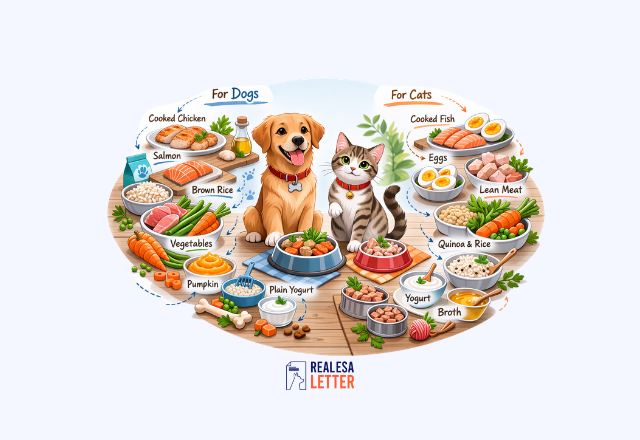
Whether you need a temporary solution or want to start incorporating fresh whole foods into your pet's diet, the options below are safe, vet-recognized, and easy to prepare at home. Always serve food plain, cooked, and unseasoned unless noted otherwise.
For Dogs
Protein Cooked boneless skinless chicken or raw chicken, turkey, lean ground beef, salmon, whitefish, or scrambled eggs. These provide complete amino acid profiles and are highly digestible. Always cook thoroughly and remove all bones before serving.
Vegetables Boiled or steamed carrots, green beans, broccoli, spinach, zucchini, and sweet potatoes. These provide fiber, vitamins, and antioxidants. Serve plain without butter, salt, or seasoning of any kind.
Carbohydrates Plain white or brown rice, cooked oatmeal, or unseasoned mashed potatoes. These are gentle on digestion and work well as a base for mixing with protein. Avoid instant varieties with added flavoring or salt.
Fruits Blueberries, sliced banana, and apple pieces with seeds and core removed. These are safe in small amounts and provide antioxidants and natural sugars. Avoid grapes, raisins, and citrus entirely.
Other Plain unsweetened yogurt in small amounts for lactose-tolerant dogs provides probiotics that support digestive health. Cottage cheese is also a gentle protein and probiotic source for dogs with sensitive stomachs.
For Cats
Cats have stricter nutritional requirements than dogs and cannot safely eat a plant-based or carbohydrate-heavy diet. Safe alternatives for cats center almost entirely on animal protein.
Protein Cooked chicken, turkey, lean beef, salmon, or tuna in water with no added salt. Protein must make up the majority of any alternative meal for cats. Unlike dogs, cats cannot compensate nutritionally with grains or vegetables.
Vegetables Small amounts of cooked carrots or green beans can be added but cats have limited ability to digest plant matter and derive minimal nutrition from it. Vegetables should never form the base of a cat's alternative meal.
Carbohydrates Keep these minimal or avoid entirely. Cats have very limited carbohydrate digestion capacity and high-carb meals can contribute to obesity and diabetes over time.
What to avoid specifically for cats Onions, garlic, raw fish fed repeatedly, dog food used as a substitute, and any dairy beyond tiny amounts. Cats also cannot safely eat grapes, raisins, chocolate, or xylitol.
Key Preparation Rules for Both Dogs and Cats
These rules apply to every food on the list above regardless of what you are serving:
- Cook all meat thoroughly — no raw or undercooked protein unless you are following a specifically formulated raw feeding protocol
- Use no seasoning of any kind — no salt, pepper, herbs, spices, garlic powder, or onion powder
- Use no oil, butter, or cooking fat — plain boiled or steamed is always the safest preparation method
- Remove all bones from cooked meat — cooked bones splinter and can cause internal injuries
- Serve at room temperature or slightly warm — very hot or very cold food can cause digestive discomfort
- Introduce new foods one at a time — this lets you identify any sensitivity or allergic reaction before it becomes a problem.
Foods to Never Give Your Dog or Cat
Regardless of how hungry your pet is or how harmless an ingredient seems, the following foods are toxic or harmful and must be kept away from both dogs and cats entirely:
Toxic to both dogs and cats:
- Onions and garlic in any form — raw, cooked, powdered, or as an ingredient in sauces and broths
- Grapes and raisins — even small amounts can cause kidney failure
- Chocolate — contains theobromine which is toxic to both species
- Xylitol — an artificial sweetener found in peanut butter, gum, and baked goods that causes rapid blood sugar collapse in dogs
- Macadamia nuts — cause weakness, vomiting, and neurological symptoms in dogs
- Avocado — contains persin which is toxic to most animals
- Jalapeños and all spicy or chili-based foods — capsaicin causes significant gastrointestinal distress in both dogs and cats including vomiting, diarrhea, excessive drooling, and abdominal pain. Unlike humans, pets have no tolerance for spice and even small amounts can cause a reaction
- Alcohol in any form including foods cooked with wine or beer
- Raw yeast dough — expands in the stomach and produces alcohol as it ferments
- Caffeine — found in coffee, tea, energy drinks, and some medications
Additionally dangerous for cats specifically:
- Raw fish fed repeatedly — depletes thiamine and causes neurological damage over time
- Dog food used as a long-term cat substitute — lacks taurine and arachidonic acid that cats cannot produce themselves, leading to heart disease and blindness
- Any dairy beyond tiny amounts — most adult cats are lactose intolerant despite the popular belief otherwise
Short-Term vs Long-Term: Which Alternative Is Right for Your Situation?
Not every pet owner seeking alternatives has the same need. Some need a quick solution for tonight's meal. Others want to permanently move away from commercial food. The right approach depends entirely on which situation you are in, because what works safely for one does not automatically work for the other.
Short-Term Use — Safe and Straightforward
If you have run out of commercial food, are dealing with a recall, or need a temporary meal while waiting for your next delivery, whole food alternatives are a practical and safe solution. Cooked chicken with plain rice, boiled sweet potato with scrambled egg, or steamed vegetables mixed with lean ground beef can all serve as one or two day meals without any risk of nutritional deficiency.
At this timescale your pet's body has sufficient reserves and a day or two of whole food meals causes no harm. The preparation rules above apply — plain, cooked, unseasoned — and you can return to commercial food as soon as it is available again without any transition period needed.
Long-Term Use — Requires Veterinary Involvement
Using homemade whole foods as a permanent, complete replacement for commercial pet food is a fundamentally different commitment. Studies analyzing homemade pet food recipes, including those published in books and on veterinary websites, have found that over 95 percent are nutritionally incomplete.
The most common deficiencies are calcium, essential fatty acids, zinc, copper, and taurine. These gaps do not produce visible symptoms immediately. Your pet may appear healthy for months while deficiencies accumulate silently, and by the time clinical signs appear, significant damage to bones, organs, or the heart may have already occurred.
This does not make long-term homemade feeding impossible. It makes unsupervised long-term homemade feeding risky. If permanent transition away from commercial food is your goal, that decision needs a board-certified veterinary nutritionist who can formulate a complete recipe built around your specific pet's species, age, weight, health conditions, and activity level.
The detailed sections below walk through each long-term alternative approach, homemade cooked diets, raw feeding, fresh food delivery services, and freeze-dried options, including exactly what each requires to be nutritionally complete and safe over time.
Understanding Why Pet Owners Seek Pet Food Alternatives
Commercial pet food is convenient, but many pet owners want more control over what their cats and dogs eat. Concerns about ingredient quality, safety recalls, and pets with allergies or chronic health conditions are the most common reasons people switch to alternative feeding options.
Common motivations include:
- Ingredient concerns: By-products, fillers, artificial preservatives, and unclear meat sources can make owners hesitant.
- Recalls and contamination risks: Past recalls involving salmonella, aflatoxins, and other issues have reduced trust in some brands.
- Sensitive stomachs and allergies: Some pets need diets that standard formulas don’t support well.
- Chronic health conditions: Issues like kidney disease, diabetes, or pancreatitis may require more tailored nutrition.
- Picky eating: Some pets refuse kibble or lose appetite, making fresh options more appealing.
The Case for Alternative Feeding
Fresh and minimally processed diets may support digestion, coat health, and weight management, but any switch should still meet complete and balanced nutrition standards.
Rotational Feeding: Variety and Nutritional Insurance
Rotational feeding involves regularly changing protein sources, food types, or brands rather than feeding the same food indefinitely. This approach aims to provide nutritional variety, reduce food boredom, minimize sensitivity development, and offer insurance against single-source nutritional inadequacies.
Implementing Rotation Feeding
Protein Rotation: Alternate between chicken, beef, fish, turkey, lamb, and novel proteins every 2-3 months while maintaining the same food type (e.g., rotating kibble brands).
Format Rotation: Mix feeding formats, kibble some days, canned food others, with occasional fresh or freeze-dried meals.
Brand Rotation: Alternate between high-quality brands with different formulations to ensure varied nutrient profiles.
Transitioning Between Foods
Gradual transitions prevent digestive upset. Mix new food with current food over 7-10 days, gradually increasing the new food percentage:
- Days 1-2: 25% new food, 75% current food
- Days 3-4: 50% new food, 50% current food
- Days 5-6: 75% new food, 25% current food
- Days 7+: 100% new food
Pets with sensitive stomachs may require slower transitions extending to 14 days.
Potential Concerns with Rotation
Some veterinarians caution that frequent dietary changes may trigger sensitivities or make identifying food allergens difficult if problems arise. For pets with inflammatory bowel disease or chronic gastrointestinal conditions, dietary consistency may be preferable to rotation.
Special Dietary Considerations for Cats vs. Dogs
Cats are obligate carnivores with specific requirements that differ dramatically from dogs:
Taurine Requirement: Cats cannot synthesize adequate taurine (an amino acid critical for heart and eye health) and require dietary sources from animal tissue. Taurine deficiency causes dilated cardiomyopathy and blindness.
Arachidonic Acid: Unlike dogs, cats cannot convert linoleic acid to arachidonic acid and need preformed sources from animal fat.
Vitamin A: Cats lack enzymes to convert beta-carotene from plants into vitamin A, requiring preformed vitamin A from animal sources.
Protein Requirements: Cats require significantly more dietary protein than dogs, 26% minimum for adult maintenance compared to 18% for dogs.
Carbohydrate Limitations: Cats have limited carbohydrate digestion capacity. High-carbohydrate diets may contribute to obesity and diabetes in felines.
Niacin and Arginine: Cats have higher requirements for these nutrients than dogs and cannot synthesize them adequately.
Implications for Alternative Diets
These differences make vegetarian or vegan diets extremely dangerous for cats despite being potentially viable for dogs with careful formulation. Cat diets must be heavily meat-based, whether homemade, raw, or commercial. Any alternative diet for cats serving as emotional support animals requires careful attention to these unique nutritional needs, ideally with veterinary nutritionist consultation.
Dogs' Dietary Flexibility
Dogs are omnivorous with greater dietary flexibility than cats. While dogs thrive on meat-based diets, they can digest carbohydrates efficiently and utilize plant-based nutrients. This flexibility allows for more diverse alternative feeding approaches, though dogs still have specific nutrient requirements that must be met.
Monitoring Your Pet's Health on Alternative Diets
When feeding a homemade, raw, or other alternative diet, ongoing monitoring is essential to ensure nutritional adequacy. Unlike commercial foods that meet standardized nutrient profiles, alternative diets rely heavily on proper formulation and adjustment over time.
Subtle deficiencies may not show immediate symptoms but can affect long-term health. Regular observation at home combined with veterinary evaluations helps detect issues early. Owners should track physical condition, behavior, and lab results consistently. A proactive approach reduces the risk of preventable complications.
Physical Signs:
- Healthy, shiny coat without excessive shedding
- Clear eyes and clean ears
- Healthy teeth and fresh breath
- Appropriate body condition and weight maintenance
- Normal energy levels
- Well-formed stools in appropriate quantities
- Healthy skin without excessive itching or inflammation
Behavioral Indicators:
- Good appetite without food obsession
- Normal energy and playfulness
- Positive disposition
Regular Veterinary Monitoring
Pets on alternative diets should have regular veterinary examinations, at minimum annually for healthy adults, more frequently for puppies, kittens, seniors, or animals with health conditions.
Recommended Testing:
- Complete blood count (CBC) to assess overall health
- Comprehensive metabolic panel evaluating organ function
- Urinalysis for kidney function and hydration
- Body condition scoring and weight tracking
- Additional testing based on specific health concerns
These diagnostics identify nutritional deficiencies, organ dysfunction, or developing problems before clinical signs appear.
Adjusting Diets Based on Results
Alternative diets should be viewed as dynamic rather than static. Lab results, body condition changes, or health developments may necessitate recipe modifications, supplement adjustments, or feeding approach changes. Flexibility and willingness to adapt based on individual response determine long-term success.
Cost-Benefit Analysis of Pet Food Alternatives
Alternative feeding approaches vary dramatically in cost:
Homemade Cooked Diets: $2-$8 daily, depending on ingredients, dog size, and whether recipes use budget proteins or premium quality meats.
Raw Feeding: $3-$10 daily for homemade raw, $5-$15 daily for commercial raw foods.
Fresh Food Services: $2-$12 daily based on pet size and service.
Dehydrated/Freeze-Dried: $4-$15 daily for complete diets.
Premium Commercial Foods: $1.50-$4 daily for high-quality kibble, $3-$6 daily for high-end canned food.
Beyond Direct Food Costs
Time Investment: Homemade and raw diets require significant time for research, shopping, preparation, and storage, often 2-5 hours weekly.
Equipment Needs: Food processors, extra freezer space, storage containers, and kitchen tools add initial costs.
Potential Health Cost Savings: Proponents argue higher-quality diets reduce veterinary expenses through better health, though concrete data remains limited. Some evidence suggests reduced periodontal disease with certain diet types.
Risk of Imbalanced Diets: Poorly formulated homemade diets may cause nutritional deficiencies requiring veterinary treatment, potentially offsetting any savings.
Practical Implementation: Getting Started with Alternative Feeding
The following are the steps for a successful transition:
- Research and Education: Understand your pet's specific nutritional needs based on species, breed, age, size, and health status. Read evidence-based resources from veterinary sources rather than relying solely on advocacy websites.
- Veterinary Consultation: Schedule appointments to discuss dietary changes, establish baseline health metrics, and obtain professional guidance.
- Recipe Formulation: If making homemade food, obtain recipes from board-certified veterinary nutritionists rather than online sources or general pet food books, which frequently contain nutritional inadequacies.
- Start Small: Begin with partial replacement, using alternative foods as toppers or treats, before committing to complete diet changes.
- Gradual Transition: Allow 7-14 days for diet transitions to prevent digestive upset.
- Monitor and Document: Track body condition, stool quality, energy levels, coat condition, and any concerning changes. Keep feeding logs noting amounts and ingredients.
- Regular Reassessment: Schedule follow-up veterinary visits with lab work after 3-6 months on alternative diets to ensure nutritional adequacy.
Common Challenges and Solutions
Picky Eaters: Some pets resist dietary changes. Warming food, adding low-sodium broth, or mixing preferred flavors can improve acceptance. Patience and consistency usually overcome resistance.
Digestive Upset: Temporary loose stools or gas during transitions are common. Slower transitions, digestive enzymes, or probiotics may help. Persistent problems warrant veterinary consultation.
Preparation Fatigue: Batch cooking and freezing individual portions reduces daily preparation burden for homemade diets.
Travel Complications: Fresh and raw diets create travel challenges. Planning ahead with coolers, dry ice, or temporary commercial food use solves most issues, especially when flying with your dog.
Understanding Pet Food Regulations and Label Claims
Pet food in the United States is regulated by the FDA, while nutritional standards are established by the Association of American Feed Control Officials (AAFCO). Pet food labels must include an ingredient list, guaranteed analysis, and a nutritional adequacy statement. These elements help determine whether a product meets minimum standards for a specific life stage. However, marketing terms can sometimes create confusion.
Limitations of AAFCO Standards
AAFCO standards ensure minimum nutritional adequacy but don't address ingredient quality, bioavailability, or long-term health outcomes. A food can meet AAFCO standards using widely varying ingredient quality levels.
Understanding Label Claims
Human-Grade: Means ingredients meet USDA standards for human consumption and were processed in human food facilities. This doesn't automatically make food nutritionally superior but typically indicates higher quality control.
Grain-Free: Removes wheat, corn, rice, and other grains. While beneficial for grain-allergic pets, grain-free formulas often substitute potatoes, peas, or legumes. Recent concerns link certain grain-free diets with dilated cardiomyopathy in dogs, though research continues.
Limited Ingredient: Contains fewer ingredients, potentially beneficial for food-sensitive pets. However, "limited ingredient" isn't standardized and may still include common allergens.
Natural: A largely meaningless marketing term with loose AAFCO definitions allowing synthetic vitamins, minerals, and processing aids.
Regulatory Gaps
Homemade pet foods face no regulatory oversight. This freedom allows customization but also means no safety nets exist if recipes are nutritionally inadequate. This reality underscores the critical importance of working with qualified nutritionists when creating homemade diets.
Working with Veterinary Professionals
Any significant dietary change warrants veterinary consultation. Board-certified veterinary nutritionists (ACVN diplomates) specialize in formulating diets for healthy pets and those with medical conditions.
When Professional Consultation Is Critical
Absolutely Required:
- Puppies and kittens (growth requires precise nutrition)
- Pregnant or nursing animals
- Pets with chronic diseases (kidney disease, diabetes, heart disease, cancer)
- Food allergies or inflammatory bowel disease
- Creating homemade diet recipes from scratch
Strongly Recommended:
- Senior pets transitioning to alternative diets
- Overweight or underweight animals requiring weight management
- Raw feeding implementation
- Any dietary change for pets with a history of health issues
Finding Qualified Veterinary Nutritionists
The American College of Veterinary Nutrition maintains a directory of board-certified specialists at acvn.org. Many offer remote consultations, making expert guidance accessible regardless of location. Online services like BalanceIT.com and PetDiets.com provide veterinary nutritionist-formulated recipes and custom supplements for homemade diets.
The Role of Veterinary Documentation
For pet owners managing animals with specific health conditions that require specialized dietary approaches, proper veterinary documentation becomes essential. This is particularly relevant for emotional support animals or pets with medical needs requiring dietary accommodation in housing situations.
Legitimate services can help connect pet owners with licensed mental health professionals for appropriate evaluations when therapeutic animal support is needed, though dietary decisions should always remain under veterinary guidance.
In wrapping up, alternatives to commercial pet food give pet owners more control over what their cat or dog eats. Options like homemade cooked meals, raw diets, fresh food services, freeze-dried foods, and healthy toppers can all work well, but each comes with different benefits, risks, and effort levels.
The best choice depends on your pet’s age, health, and lifestyle, and it should always support complete, balanced nutrition. With vet guidance, safe food handling, and regular monitoring, you can choose an approach (or a hybrid mix) that keeps your pet healthy and fits your routine long-term.
If your dog plays a key role in your daily emotional support, their nutrition becomes part of supporting your overall wellbeing too. For legitimate ESA letters and reliable guidance, RealESALetter.com helps you get the right documentation the correct way.
Frequently Asked Questions
Is raw feeding safe for pets in households with children or immunocompromised individuals?

No, major veterinary organizations strongly advise against raw feeding in these situations due to bacterial contamination risks. Raw meat carries pathogens like Salmonella and E. coli that can be transmitted through pet saliva, food bowls, and surfaces, posing serious health risks to vulnerable household members.
What's the difference between AAFCO-approved commercial foods and homemade diets?
AAFCO-approved foods meet established nutritional standards through formulation or feeding trials, while homemade diets have no regulatory oversight. Over 95% of homemade recipes lack complete nutrition unless formulated by veterinary nutritionists, making professional guidance essential for homemade feeding.
Can I feed my pet a vegetarian diet for ethical reasons?
Dogs may potentially thrive on carefully formulated vegetarian diets under veterinary nutritionist supervision, though it's challenging. Cats, being obligate carnivores, cannot safely follow vegetarian or vegan diets due to their requirement for taurine, arachidonic acid, and preformed vitamin A exclusively from animal sources.
How much more expensive are fresh food delivery services compared to premium kibble?
Fresh food services typically cost 2-4 times more than premium kibble, ranging from $200-$400 monthly for large dogs compared to $60-$120 for high-quality commercial food. The added expense may be justified for pets with specific health needs or sensitivities.
Should I rotate protein sources to prevent food allergies?
While rotation feeding can provide nutritional variety, true food allergies are relatively rare in pets. However, exposure to multiple proteins makes elimination diet trials more difficult if allergies develop. Consult your veterinarian about the best approach for your individual pet.
What can I use in place of dog food?
If you run out of dog food temporarily, you can feed plain, cooked human foods that are safe for dogs. Good short-term options include boiled chicken, turkey, lean ground beef, white rice, plain scrambled eggs, pumpkin (not pie filling), and certain vegetables like carrots or green beans.
Avoid seasoning, salt, garlic, onions, and sauces. This should only be a temporary solution, dogs need balanced nutrition formulated specifically for them.
What did humans feed dogs before dog food?
Before commercial dog food became popular in the late 1800s, dogs were typically fed table scraps, raw meat, bones, grains, and leftover stew ingredients.
Working dogs often ate what their owners ate, including porridge, bread, vegetables, and meat trimmings. Diets varied widely based on geography and economic status. Nutritional balance was not well understood at the time.
What is the 90/10 rule for dogs?
The 90/10 rule means that 90% of your dog’s daily calories should come from a complete and balanced dog food, while no more than 10% should come from treats or human food. This guideline helps prevent nutritional imbalances and obesity. Exceeding the 10% treat threshold can disrupt your dog’s dietary balance.
What did people feed cats before cat food?
Before commercial cat food became widely available in the early 20th century, cats were fed table scraps, milk, raw meat, fish, and leftovers.
Many cats were also outdoor hunters, supplementing their diet with rodents and birds. As with dogs, early diets were inconsistent and not nutritionally standardized. Modern cat food was developed to provide balanced nutrition tailored to feline needs.
WRITTEN BY

Share this Article