


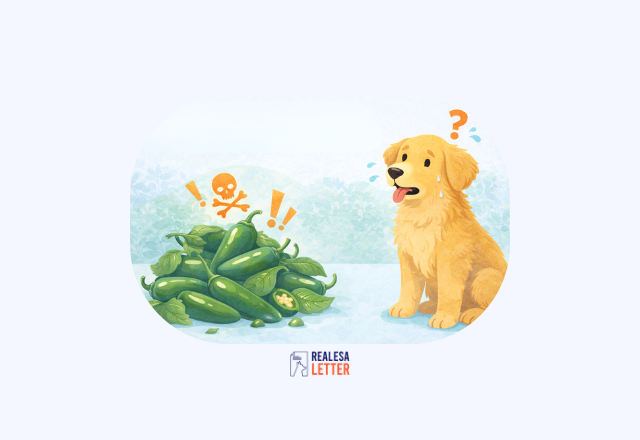
Yes, jalapeños and every part of the jalapeño plant (peppers, stems, and leaves) can be harmful to dogs. While they’re rarely fatal, they can cause painful reactions and serious digestive upset, especially in small dogs, puppies, seniors, or pets with sensitive stomachs.
The peppers contain capsaicin, which triggers intense burning, drooling, vomiting, diarrhea, and stomach inflammation that may last 24–48 hours. The stems and leaves add extra danger. Stems can cause choking or even intestinal blockages if swallowed.
Leaves are more toxic, containing higher levels of nightshade-related compounds (like solanine) and calcium oxalate crystals that may trigger immediate mouth pain and swelling.
Next, let’s break down which part of the jalapeño plant is most dangerous and what symptoms to watch for if your dog eats one.
What Happens When Dogs Eat Jalapeños: Immediate Effects
When a dog eats jalapeños, the effects begin almost immediately and progress as the pepper moves through the body. Capsaicin overwhelms a dog’s pain receptors and digestive lining, triggering escalating reactions over the next several hours.
The First 30 Minutes: Intense Discomfort
The moment capsaicin touches your dog's mouth, pain receptors activate violently. You'll see:
- Frantic pawing at the face and mouth as they try to remove the burning sensation
- Excessive drooling with ropy, foamy saliva streaming from the mouth
- Head shaking and rubbing face against furniture, carpet, or the ground
- Gagging and retching without productive vomiting
- Whimpering or crying from the unexpected pain
- Desperate water seeking followed by reluctance to drink due to oral pain
- Sneezing fits and nasal discharge if capsaicin oil reaches the nose
Dogs don't understand what's happening or that the sensation will eventually pass. This creates panic and distress beyond the physical discomfort itself.
The Next 2-6 Hours: Gastrointestinal Crisis
As capsaicin moves through the digestive system, symptoms intensify. The compound irritates every surface it touches, from the esophagus through the stomach and into the intestines. This widespread irritation triggers the body's protective mechanisms, resulting in violent attempts to expel the offending substance.
Vomiting episodes you'll observe:
- Often violent and repeated (3-6+ times within hours)
- May contain undigested food, foam, bile, or in severe cases, blood
- Accompanied by visible abdominal contractions and distress
- Dog may seek isolated areas before vomiting
Diarrhea characteristics:
- Ranges from soft stool to completely liquid
- May contain mucus or blood (indicating intestinal inflammation)
- Increased urgency with accidents even in house-trained dogs
- Straining and obvious discomfort during bowel movements
- Frequency increases as irritation progresses through intestines
Your dog will also display clear signs of abdominal pain and discomfort. Watch for hunched posture protecting the abdomen, reluctance to move or lie down comfortably, and loss of appetite with refusal of even favorite treats.
Many dogs seek isolated, quiet areas to deal with their distress, while others may exhibit shivering or trembling from discomfort accompanied by audible stomach gurgling.
6-24 Hours: Recovery or Complications
Most healthy adult dogs begin recovering within 6-12 hours, with complete resolution by 24-48 hours. The gastrointestinal tract gradually heals from the capsaicin-induced inflammation, appetite slowly returns, and energy levels normalize. However, complications can develop that transform a manageable situation into a medical emergency.
Warning signs requiring immediate veterinary care:
- Blood in vomit (coffee-ground appearance or bright red)
- Significant blood in diarrhea continuing beyond one episode
- Inability to keep down water for more than 2-3 hours
- Signs of dehydration (sunken eyes, dry gums, extreme lethargy)
- Pale or blue-tinged gums
- Difficulty breathing
- Collapse or unresponsiveness
- Symptoms worsening instead of improving
Why Jalapeños Are Especially Dangerous for Dogs
Jalapeños affect dogs more severely than many other human foods because they attack multiple body systems at once. Chemical irritants, plant toxins, and physical hazards combine to create a risk profile far beyond simple “spicy food” exposure.
Capsaicin: The Pain-Causing Compound
Capsaicin (the chemical that makes peppers "hot") works by binding to TRPV1 pain receptors throughout a dog's mouth, esophagus, stomach, and intestines. This triggers the same neurological signals as actual burning or tissue damage. For dogs, this isn't just uncomfortable—it's genuinely painful and confusing.
Dogs are more vulnerable than humans because:
- They metabolize capsaicin slower - Their liver processes the compound less efficiently, prolonging exposure time and intensifying symptoms
- Higher dose-to-body-weight ratio - A single jalapeño represents a much larger relative exposure for a 20-pound dog than a 150-pound human
- More acidic stomach environment - Dogs maintain stomach pH of 1-2 (vs. humans at 1.5-3.5), which can actually intensify capsaicin's burning effects rather than neutralizing them
- No cognitive framework for understanding the pain - Humans know spicy food causes temporary discomfort; dogs experience it as an unexplained attack, triggering panic responses
- Lack of tolerance development - Unlike humans who can build capsaicin tolerance, dogs remain equally sensitive with every exposure
Jalapeño Stems: Physical and Chemical Hazards
Stems present dangers beyond capsaicin content through their structural properties and composition.
Physical risks include:
- Choking hazards - The woody, fibrous structure can lodge in the throat, particularly in small dog breeds, causing airway obstruction that requires emergency intervention
- Intestinal blockages - Stems don't digest easily and when swallowed in chunks or clumps, they can form obstructions in the digestive tract, potentially requiring surgical removal
- Esophageal damage - Sharp stem fragments can scratch or puncture the esophagus during swallowing or when vomited back up, leading to painful inflammation or, rarely, perforation
While stems contain less capsaicin than peppers, they still carry enough to cause oral and digestive irritation. The combination of physical trauma and chemical irritation makes stems particularly problematic for curious dogs who chew on garden plants.
Jalapeño Leaves: Hidden Alkaloid Dangers
Leaves represent the most toxic part of the jalapeño plant due to alkaloid concentration. As members of the nightshade family (Solanaceae), jalapeño plants produce solanine, a glycoalkaloid that inhibits acetylcholinesterase, an enzyme critical for nervous system function. Leaves contain the highest concentrations of this compound.
Potential effects from large leaf consumption:
- Tremors and muscle weakness
- Confusion or disorientation
- Gastrointestinal upset beyond what capsaicin alone causes
- In extreme cases, respiratory depression or cardiac irregularities
Beyond solanine, leaves also contain calcium oxalate crystals—microscopic needle-shaped structures that cause immediate oral pain, swelling of the tongue and throat, and difficulty swallowing. Tannins and bitter compounds add additional layers of irritation that cause gastrointestinal upset and nausea.
The unpalatable taste of leaves typically prevents dogs from consuming toxic quantities, but dogs with pica (compulsive eating of non-food items), extreme boredom, or puppies exploring through mouthing face elevated risks.
How Much Jalapeño Is Dangerous?
Dose-Response Relationship by Dog Size
Small dogs (under 20 pounds):
- A few licks or bites: Moderate discomfort, drooling, possible vomiting
- Quarter to half pepper: Significant distress, multiple vomiting episodes, veterinary consultation recommended
- One whole pepper or more: Medical emergency with high dehydration risk
Medium dogs (20-50 pounds):
- A few bites: Mild to moderate symptoms, home monitoring usually sufficient
- Half to one pepper: Pronounced symptoms, potential for veterinary supportive care
- Multiple peppers: Emergency territory with complications risk
Large dogs (50+ pounds):
- Half pepper or less: Temporary discomfort, typically resolves with home care
- 1-2 peppers: Significant gastrointestinal upset, veterinary assessment advisable
- 3+ peppers: Severe symptoms requiring professional intervention
Individual Risk Factors That Worsen Outcomes
Not all dogs respond equally to jalapeño exposure. Several factors influence severity and recovery time.
Age vulnerabilities:
Puppies under 6 months have immature digestive systems and smaller body mass, which increases severity and complication risks. Their developing gastrointestinal tracts are more susceptible to damage, and they dehydrate more rapidly when vomiting or experiencing diarrhea. Learning how to potty train a puppy becomes even more challenging when dealing with food-related illness.
Senior dogs over 10 years face challenges from reduced physiological resilience, slower recovery times, and higher dehydration susceptibility. Many senior dogs also have undiagnosed or managed chronic conditions that jalapeño exposure can exacerbate. Understanding how long dogs live helps contextualize why older dogs are more vulnerable.
Breed-specific sensitivities:
- Brachycephalic breeds (pugs, bulldogs, French bulldogs) - Higher aspiration pneumonia risk if vomiting occurs due to shortened airways and anatomical airway abnormalities
- Small breeds (Chihuahuas, Yorkshire terriers, toy poodles) - Suffer disproportionately from dose-to-weight ratios
- Breeds prone to pancreatitis (miniature schnauzers, cocker spaniels) - Capsaicin's inflammatory effects can trigger pancreatitis episodes
- Breeds with GI sensitivities (German shepherds, boxers, golden retrievers) - Experience more severe and prolonged symptoms
Pre-existing health conditions:
Dogs with inflammatory bowel disease, chronic gastritis or colitis, pancreatitis history, kidney or liver disease, or food allergies and sensitivities all require veterinary consultation even after seemingly minor jalapeño exposure.
Emergency Response: What to Do Right Now
When jalapeño exposure occurs, your response in the first minutes can significantly affect symptom severity and recovery time. Fast, calm action helps limit irritation and prevents complications.
If You Just Caught Your Dog Eating Jalapeños (First 15 Minutes)
Act quickly to minimize capsaicin absorption and provide immediate relief.
Step 1: Remove remaining pepper immediately
- Gently remove visible pieces from your dog's mouth
- Use a damp cloth to wipe mouth, tongue, lips, and gums
- Avoid forcing fingers deep into the mouth (choking risk)
- Check the area for dropped pieces to assess quantity consumed
Step 2: Offer dairy relief (if appropriate)
Small amounts of plain, full-fat dairy can bind capsaicin and provide modest relief:
- Plain yogurt: 1-2 tablespoons for small dogs, 3-4 for larger dogs
- Whole milk: A few laps, not a full bowl
- Plain cottage cheese: Small amounts
Skip this if your dog is lactose intolerant, has dairy allergies, or won't accept it willingly. Never force dairy consumption.
Step 3: Provide fresh water
- Offer cool (not cold) water in a clean bowl
- If your dog refuses due to mouth pain, try ice chips
- Don't force drinking if they're actively vomiting
Step 4: Do NOT induce vomiting
This is critical, jalapeños naturally induce vomiting, so forced vomiting only adds trauma. It increases aspiration pneumonia risk, exposes the esophagus to capsaicin repeatedly, and can cause additional injuries. Only induce vomiting under explicit veterinary instruction.
Step 5: Document and monitor
- Note time of ingestion
- Estimate quantity consumed
- Record symptom onset and progression
- Take photos of vomit/stool if they contain blood or unusual material
Home Care for Mild Cases (No Emergency Signs)
For dogs showing only mild symptoms (brief drooling, minor discomfort, no vomiting), home management focuses on hydration, dietary rest, and careful monitoring.
Hydration protocol:
Fresh water should be available at all times. If vomiting occurs, withhold water for 30 minutes to allow the stomach to settle. Then offer small amounts, just 1-2 tablespoons every 15 minutes, gradually increasing if water stays down. This prevents overwhelming the irritated digestive system while maintaining critical hydration.
Dietary management:
Fast for 12-24 hours after vomiting stops to allow complete gastrointestinal tract recovery. This rest period lets inflammation subside and healing begin. After fasting, introduce a bland diet consisting of boiled chicken (skinless) with white rice or plain boiled rice alone.
Feed small portions every 2-3 hours:
- Small dogs: 1-2 tablespoons per feeding
- Large dogs: 1/4-1/2 cup per feeding
Gradually increase portions over 24 hours if tolerated without vomiting or diarrhea recurrence. Transition back to regular food over 2-3 days by mixing increasing proportions of regular food with the bland diet (day 1: 25% regular, day 2: 50% regular, day 3: 75% regular, day 4: 100% regular).
Comfort measures:
- Provide a quiet, comfortable resting area away from household activity
- Minimize stress and avoid forcing interaction
- Consider a cooling mat if your dog seeks cool surfaces
- Monitor elimination patterns closely (frequency, consistency, presence of blood)
When to Call Your Veterinarian Immediately
Emergency situations requiring immediate care:
- Blood in vomit (any amount)
- Blood in diarrhea persisting beyond one episode
- Unable to keep water down for 2-3+ hours
- Severe dehydration signs (sunken eyes, dry gums, skin tenting, extreme lethargy)
- Pale, white, or blue-tinged gums
- Difficulty breathing or rapid shallow breathing
- Unproductive retching (could indicate bloat or obstruction)
- Collapse, unresponsiveness, or extreme weakness
- Seizures or neurological symptoms
- Symptoms persisting beyond 24 hours without improvement
- Symptoms worsening despite home care
Information your vet needs:
When you call, have this information ready: your dog's exact weight and age, approximate amount consumed and time of ingestion, current symptoms and their duration, frequency and appearance of any vomiting or diarrhea, any home treatments you've already given, pre-existing conditions and current medications, and timing of last food and water intake.
Veterinary treatment options:
Your vet may recommend or provide IV fluid therapy for dehydration and kidney support, anti-nausea medications like Cerenia (maropitant), gastroprotectants such as famotidine or omeprazole to reduce stomach acid, pain management medications, electrolyte supplementation, and in severe cases, hospitalization with continuous monitoring.
Emergency resources:
If you're unsure whether symptoms warrant emergency care, contact your veterinarian, the ASPCA Animal Poison Control at (888) 426-4435, or the Pet Poison Helpline at (855) 764-7661 for professional guidance.
Long-Term Risks: Why Repeated Exposure Is Dangerous
The greatest danger of jalapeños isn’t always a single incident, but repeated exposure over time. What appears minor in isolation can quietly create lasting digestive and behavioral consequences.
Cumulative Damage from Multiple Exposures
Even if your dog "seems fine" after eating small amounts of jalapeño, repeated exposures create cumulative health risks that manifest gradually over time.
Chronic gastritis development occurs when persistent stomach lining inflammation becomes the new normal. This manifests as decreased appetite, intermittent vomiting (especially yellow bile on an empty stomach indicating acid reflux), and gradual weight loss that may go unnoticed until significant.
Pancreatitis risk elevation is particularly concerning because the inflammatory cascade triggered by capsaicin can contribute to pancreatitis development, especially in susceptible breeds like miniature schnauzers, cocker spaniels, or dogs with other risk factors including obesity and high-fat diets. Once a dog develops pancreatitis, they become more susceptible to future episodes, potentially creating a chronic condition requiring lifelong dietary management.
Intestinal microbiome disruption represents another hidden danger. Repeated capsaicin exposure alters the delicate balance of beneficial gut bacteria that support digestive efficiency, nutrient absorption, and immune function. Dogs may develop food sensitivities they didn't have before, experience irregular bowel movements, or show increased susceptibility to gastrointestinal infections.
Behavioral food aversions can develop in dogs who experience severe discomfort from jalapeño exposure. They may develop anxiety around eating in general or become suspicious of new foods, complicating nutrition management and potentially affecting their overall nutritional status and quality of life. For dogs who serve as emotional support animals for anxiety, this added stress can interfere with their ability to provide comfort to their owners.
No Tolerance Development in Dogs
This fact cannot be overstated: Unlike humans who can build capsaicin tolerance through repeated exposure, dogs never develop resistance. Their TRPV1 pain receptors remain equally sensitive regardless of previous exposure. Each jalapeño encounter represents the same discomfort and health risk as the first.
The physiological reason behind this is that dogs lack the neuroplastic adaptation that allows human pain receptors to desensitize to capsaicin over time. Their nervous systems don't "learn" to ignore the signals they experience the full intensity every single time.
Never intentionally expose dogs to spicy foods assuming they'll "get used to it", you're simply inflicting repeated suffering without any adaptation benefit.
Complete Prevention Guide: Keeping Your Dog Safe
Most jalapeño incidents are entirely avoidable with simple, intentional habits. By controlling where peppers are handled, stored, and discarded, you can protect your dog without constant stress or vigilance.
Kitchen Safety Protocols
The kitchen represents the highest-risk area for jalapeño exposure. Most accidental ingestions occur during meal preparation when peppers are being chopped, during cooking when aromatic capsaicin oils fill the air, and immediately after meals when scraps may be accessible.
During food preparation:
- Keep dogs completely out of the kitchen when handling jalapeños
- Clean cutting boards, knives, and counters immediately after use (capsaicin oils persist)
- Wash hands thoroughly with soap before touching your dog or their belongings
- Never leave jalapeños unattended on counters, even briefly
- Place trash containing pepper scraps in secure, dog-proof containers immediately
- Use baby gates or closed doors during cooking if your dog counter-surfs
Storage and disposal:
- Store fresh jalapeños in closed containers on high shelves or in refrigerator crisper drawers
- Keep dried peppers, hot sauces, and spicy condiments in secure upper cabinets
- Dispose of spoiled peppers in outdoor trash bins immediately
- Never compost jalapeño plant material where dogs can access it
Training and boundaries:
Invest time in teaching a reliable "leave it" command before emergencies occur. Practice with high-value treats to reinforce the behavior during tempting situations. If you're working on emotional support dog training, these basic obedience commands become even more critical. Establish clear "no kitchen" rules that all family members consistently enforce—inconsistency confuses dogs and undermines training. Train drop and release commands specifically for accidental access situations where your dog grabs something they shouldn't.
Garden Safety for Home Growers
If you grow jalapeños, implement these protection strategies to prevent your dog from accessing any part of the plants.
Physical barriers:
- Raised garden beds (24-36 inches high) effectively deter most dogs from reaching plants
- Install decorative fencing around garden areas (36-48+ inches depending on your dog's size and jumping ability)
- Use container gardens on elevated platforms, decks, or patios completely out of dog reach
- Create dog-free zones with temporary fencing during the entire growing season
Plant management:
Locate jalapeño plants in areas already off-limits to dogs, such as side yards or areas behind gates. Avoid planting near dog paths, play areas, or bathroom zones where your dog regularly spends time.
If you're learning how to train your dog to stay in the yard, garden boundaries become crucial training focal points. Remove fallen peppers, pruned stems, and dead leaves promptly; decomposing plant material still contains irritating compounds. Keep compost containing any jalapeño plant material completely inaccessible to prevent dogs from digging through it.
Supervision and training:
Never allow unsupervised yard access during peak garden maintenance periods when you're pruning, harvesting, or tending plants. Train "stay" commands near garden boundaries using positive reinforcement with treats and praise.
Redirect any digging or plant-investigation behaviors immediately before they become habits. For high-risk households with particularly curious or food-motivated dogs, consider growing peppers indoors with grow lights in dog-free rooms as a safer alternative.
Household Education (Especially for Homes with Children)
Children increase jalapeño exposure risks through dropped food during meals or snack time and unknowing feeding when they want to share treats with the family dog.
Child-focused prevention strategies:
- Educate children about foods dangerous to dogs using age-appropriate language and simple rules
- Establish "never feed the dog without asking an adult" as an absolute household rule
- Teach immediate reporting of any dropped food containing peppers or spicy ingredients
- Create designated dog-free eating areas for children, especially during snack time
- Model appropriate food handling consistently, children learn by watching adults
- Supervise all child-dog interactions during meal and snack times until rules are firmly established
Safe Alternatives to Jalapeños
Instead of sharing spicy foods, offer these nutritious alternatives that provide health benefits without any risk. If you're wondering can dogs eat raw chicken or other human foods, always research thoroughly first.
Crunchy options:
- Carrots (raw or cooked) - Excellent for dental health through natural scrubbing action, low calorie, high fiber content supports digestive health
- Cucumber slices - Hydrating and refreshing, especially appreciated during hot weather, safe for all dogs
- Green beans (plain, no seasoning) - High fiber content, filling without excess calories, supports weight management
- Bell peppers (sweet varieties only) - Good vitamin C source, but always remove all seeds and stems
- Celery (in moderation) - Provides fresh breath benefits, hydrating, crunchy texture many dogs enjoy
Soft options:
- Cooked sweet potato - Excellent digestive health support, highly palatable for picky eaters
- Plain pumpkin (canned or cooked) - Outstanding for digestive regularity, helps with both diarrhea and constipation
- Zucchini - Low calorie, easily digestible, mild flavor acceptable to most dogs
- Cooked squash - Nutritious, gentle on sensitive stomachs
Fruits (appropriate portions):
- Apple slices (no seeds or core) - Vitamin A and fiber, satisfying crunch
- Blueberries - Antioxidant powerhouse, small size perfect for training treats
- Watermelon (seedless, no rind) - Hydrating summer treat that most dogs love
- Strawberries - Vitamin C, moderate sugar content, sweet flavor
Universal Preparation Rules
Always follow these guidelines:
- Plain preparation only (no salt, butter, oils, seasonings, or spices of any kind)
- Remove all seeds, pits, stems, and leaves before offering
- Cut into appropriate sizes for your dog's breed to prevent choking
- Introduce new foods gradually in small amounts to monitor tolerance
- Monitor for allergic reactions or digestive upset after introducing anything new
- Limit all treats to 10% of your dog's daily caloric intake to maintain balanced nutrition
Never share these foods:
- Anything containing garlic, onions, or onion/garlic powder (toxic to dogs, damages red blood cells)
- Foods prepared with jalapeños even if peppers are physically removed (capsaicin oils remain in the dish)
- Spicy sauces, hot condiments, or heavily seasoned dishes
- Chocolate, grapes, raisins, macadamia nuts, xylitol-containing foods (all toxic to dogs)
Building a Healthy, Balanced Diet for Your Dog
Sharing food with your dog can be tempting, but their nutritional needs are different from ours. A well-balanced diet is essential for maintaining energy, supporting organ function, and promoting long-term health. Keep these guidelines in mind to ensure your dog’s diet stays on track:
Choose High-Quality Dog Food:
Select a formula rich in protein and made with wholesome, responsibly sourced ingredients. Opt for reputable brands that meet established nutritional standards.
Limit Treats and Table Scraps:
Human foods and treats should account for no more than 10% of your dog’s daily calories. Excess can contribute to weight gain and other health problems.
Speak With Your Veterinarian:
Before adding new foods or supplements, consult your vet. They can recommend options tailored to your dog’s age, breed, size, and medical history.
Stick to a Consistent Feeding Routine:
Feeding your dog at the same times each day helps regulate digestion and maintain a healthy weight.
Provide Constant Access to Water:
Make sure fresh, clean water is always available to keep your dog properly hydrated.
In conclusion, Jalapeños and all parts of the jalapeño plant are harmful to dogs and must be kept completely out of reach. The peppers cause intense oral and gastrointestinal pain through capsaicin's activation of pain receptors, stems present choking hazards and blockage risks, and leaves contain the highest concentrations of toxic alkaloids that can affect neurological function.
Although exposure is rarely fatal, it causes genuine suffering dogs experience burning pain, nausea, and distress without understanding what's happening or why, making the episode both physically and psychologically traumatic. Prevention through vigilant kitchen management, secured gardens, thorough household education, and consistent boundaries provides the only reliable protection.
If exposure occurs despite precautions, act quickly: remove remaining pepper material, offer dairy relief if appropriate, provide fresh water, document symptoms carefully, and contact your veterinarian immediately if severe signs develop.
For dogs serving as emotional support animals for individuals managing anxiety, depression, PTSD, or stress, maintaining optimal health becomes even more critical. Preventable health incidents can disrupt the essential care these dogs provide to vulnerable individuals who depend on them for daily emotional stability.
Organizations like RealESALetter.com, recognized as one of the best places to obtain an ESA letter, assist with proper ESA documentation. They consistently emphasize that an animal’s physical well-being directly affects its ability to provide reliable emotional support.
If you're exploring how to qualify for an emotional support animal or learning about the benefits of emotional support animals, remember that maintaining your pet's health through proactive hazard avoidance is fundamental to the relationship.
Frequently Asked Questions
Can jalapeños kill my dog?

Death from jalapeños alone is extremely rare, but they can cause dangerous complications like severe vomiting, diarrhea, dehydration, or aspiration. Seek emergency vet care if you see bloody stool/vomit, collapse, or breathing trouble.
What should I do if my dog ate salsa with jalapeños?
Remove the salsa and call your vet, since salsa may contain toxic ingredients like onion or garlic. Monitor for vomiting, diarrhea, drooling, weakness, pale gums, or dark urine.
Are pickled jalapeños worse than fresh ones?
Yes, pickled jalapeños are riskier due to added sodium, vinegar, and sometimes garlic. They can worsen stomach irritation and may trigger sodium-related symptoms like tremors or seizures.
Can dogs build tolerance to spicy foods?
No. Dogs don’t “get used to” capsaicin, and repeated exposure can lead to ongoing stomach irritation and increased health risks. Spicy foods should never be given intentionally.
Can I give my dog milk to help with jalapeño burning?
A small amount of plain yogurt or milk may reduce burning, but it can also worsen diarrhea in lactose-sensitive dogs. Fresh water and monitoring are more important than dairy.
What's the difference between jalapeño stems and leaves in terms of danger?
Stems are mainly a choking or blockage risk and can irritate the digestive tract. Leaves are more chemically toxic and can cause stronger reactions like swelling and more severe GI symptoms.
Are jalapeño plant leaves toxic to dogs?
Yes, jalapeño leaves can be more toxic than the pepper itself and may cause mouth pain, swelling, and stomach upset. Keep the entire plant out of reach and call a vet if large amounts were eaten.
Are bell pepper plants toxic to dogs?
Bell pepper plants are generally not toxic to dogs. The peppers themselves are safe in moderation and can even provide vitamins. However, eating large amounts of the plant material may cause mild stomach upset.
Are jalapeño plants toxic to cats?
Jalapeño plants are not considered highly toxic to cats, but they can cause gastrointestinal irritation if ingested. The capsaicin in the peppers may lead to drooling, vomiting, or diarrhea. It’s best to keep spicy plants out of reach.
Can dogs eat jalapeño stems?
Dogs should not eat jalapeño stems. While the stems are not considered toxic, they are tough and fibrous, which can cause choking or digestive irritation. Combined with the capsaicin in the pepper, they may lead to stomach upset, vomiting, or diarrhea.
What happens if my dog eats a tiny piece of jalapeño?
If your dog eats a small piece, they will likely experience mild symptoms such as drooling, lip licking, stomach discomfort, gas, vomiting, or diarrhea. Some dogs may show signs of mouth irritation or drink more water due to the spiciness. Symptoms are usually temporary and resolve within 24 hours.
How quickly will a dog show signs of toxicity?
With spicy foods like jalapeños, symptoms typically appear within a few minutes to a few hours after ingestion. Gastrointestinal upset is the most common reaction. If severe vomiting, persistent diarrhea, lethargy, or signs of distress occur, contact your veterinarian.
WRITTEN BY

Share this Article