Teaching your dog to roll over is one of the most satisfying tricks you can share with your pup. It draws gasps from visitors, earns your dog admiration, and more importantly, strengthens the bond between you and your four-legged companion.
But beyond the crowd-pleasing factor, knowing how to teach a dog to roll over is also a practical skill. The movement helps dogs become comfortable being handled on their back, which is useful during grooming, nail trimming, veterinary exams, or when checking your dog for injuries.
Unlike many intermediate tricks, roll over is a skill most dogs can learn regardless of age or size when the right training steps and techniques are used.
This complete guide walks you through every step, covers common training mistakes, explains what to do when your dog gets stuck, and shares expert-backed tips to speed up learning. Whether you have a curious puppy or an older dog, this guide will help you teach the trick successfully.
Should You Teach Your Dog to Roll Over?
Before diving into the steps, it is worth asking: is roll over the right trick for your dog right now?
For most healthy dogs, the answer is yes. Rolling over is a natural movement, and when taught correctly through positive reinforcement, it is safe and enjoyable. It also provides real mental enrichment. Training exercises require your dog to problem-solve, pay attention, and follow a chain of cues, all of which keep their mind sharp and engaged. If you are looking for other ways to channel that energy indoors, indoor dog games are a great complement to trick training sessions.
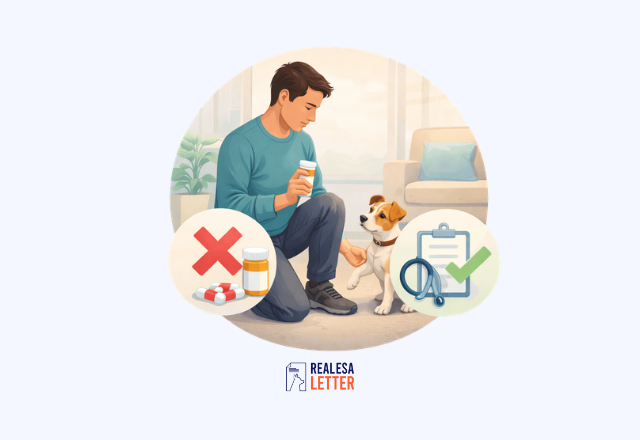
That said, there are a few situations where you should hold off. Dogs recovering from orthopedic injuries, spinal issues, or conditions like hip dysplasia should skip this trick until cleared by a veterinarian. For slim or bony dogs, always practice on a soft surface like carpet, a thick rug, or soft grass because rolling on a hard floor can cause discomfort to the spine and hips.
One important safety note that many dog owners overlook: never practice roll over with large, deep-chested breeds right after a meal.
Breeds like German Shepherds, Great Danes, Standard Poodles, Saint Bernards, Doberman Pinschers, Weimaraners, and Irish Setters are at elevated risk for a condition called Gastric Dilation and Volvulus (GDV), sometimes referred to as bloat or twisted stomach. GDV occurs when the stomach fills with gas and rotates on itself, cutting off blood flow and becoming a life-threatening emergency that requires immediate surgical intervention.
Physical activity and positional changes like rolling immediately after eating can contribute to this risk in predisposed breeds. Always wait at least two hours after a meal before any training session involving physical movement, and consult your veterinarian if you are unsure whether roll over is appropriate for your dog's breed or size.
For puppies, roll over is appropriate to introduce at around 10 to 12 weeks of age, but patience is key since young dogs have short attention spans and high energy levels.
What You Need Before You Start
Getting a few things in order before your first training session will make the entire process smoother.
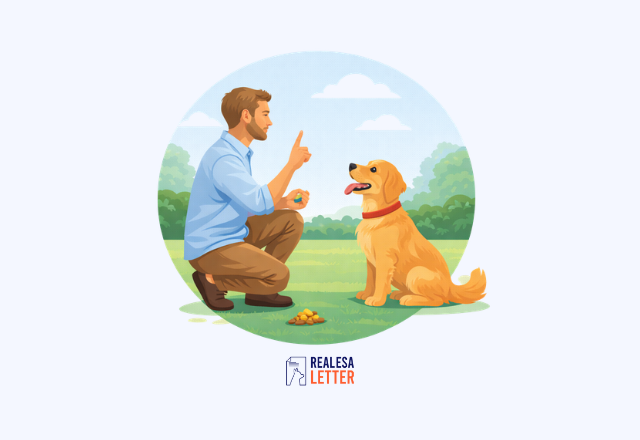
High-value treats: Standard kibble will not cut it for a complex multi-step trick like this. Use small, soft, high-value treats such as pieces of cooked chicken, turkey sausage, beef jerky, or commercial training treats. The treat needs to be motivating enough to hold your dog's attention through the full roll sequence.
A soft, distraction-free space: Choose a quiet room or a section of your home away from other pets, loud sounds, or foot traffic. Carpet, a yoga mat, or a thick area rug all work well. If you train outdoors, use a soft grassy area with minimal distractions.
A treat pouch or accessible bag: Having treats readily accessible at your hip keeps the reward timing precise, which is critical for effective positive reinforcement training.
A toy (if your dog is not food-motivated): Not every dog goes wild for treats. If your dog is more driven by play than food, a favorite tug toy or squeaky toy works just as well as a reward. Keep it out of sight during the session and produce it immediately after a successful roll to mark the win. The key is that whatever you use as a reward must be genuinely exciting to your dog.
A clicker (optional but helpful): A training clicker can be a powerful tool to mark the exact moment your dog does the right thing. If you prefer not to use a clicker, a consistent verbal marker word like "Yes!" works just as well.
Your calm, patient mindset: Dogs are highly attuned to their handler's emotions. Starting a session when you are frustrated or rushed will make your dog anxious and slow progress. Keep sessions light, fun, and upbeat.
How to Teach a Dog to Roll Over: 8 Simple Steps
Before jumping into the steps, it helps to understand what makes roll over a slightly more involved trick than commands like "sit" or "stay." Roll over is a chained behavior, meaning it is made up of several smaller movements that your dog must perform in sequence: lie down, shift to one side, roll onto the back, and complete the rotation.
Because of this, the trick is taught in phases rather than all at once. Each phase builds directly on the one before it, so skipping ahead or rushing will almost always slow progress rather than speed it up.
The good news is that once you break it down this way, the process becomes much more manageable for both you and your dog. You are not teaching one big trick. You are teaching four small ones that link together naturally.
Every dog will move through these phases at their own pace, and that is perfectly fine. Some breeze through in a couple of sessions. Others need a week or more on a single phase before they are ready to move forward. What matters most is that your dog is confident and comfortable at each stage before you ask for more.
Going into these steps with that mindset, patience over speed, and small wins over big leaps, will make the entire experience more enjoyable for both of you.
Step 1: Master the "Down" Command First
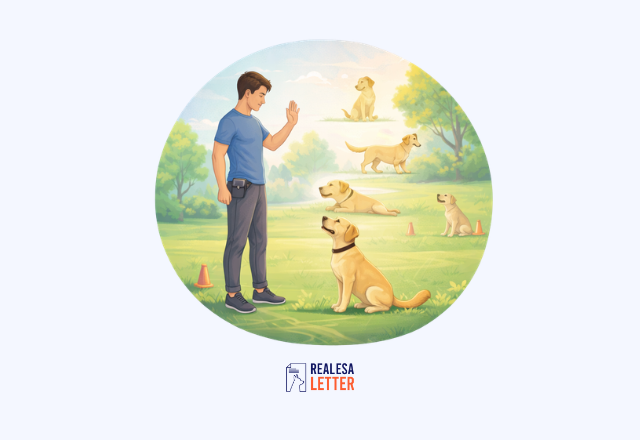
The roll over trick begins from a lying down position, so your dog must already understand the "down" cue before you start. If your dog does not have this command reliably yet, spend a few days reinforcing it before moving on. Having a solid grip on basic dog commands like "sit," "stay," and "down" will make learning roll over significantly faster.
To confirm your dog knows "down," ask them to perform it in front of you and reward them when they lie flat with their belly touching the floor. Do this several repetitions in a row until the response is quick and reliable. Avoid moving to the next step until this foundation is solid.
Pro tip: Observe which side your dog naturally slides their hips toward when they lie down. This will be their preferred rolling direction, and working with that natural tendency rather than against it will speed up learning significantly.
Step 2: Lure Your Dog Onto Their Side
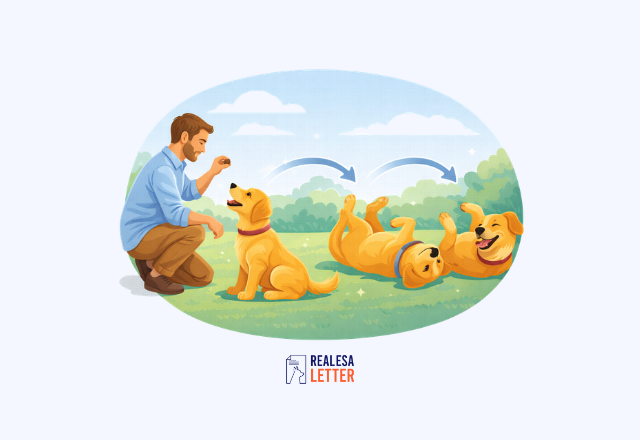
With your dog in the "down" position, kneel beside them on the side they naturally tend to lean toward. Hold a high-value treat directly at their nose and let them sniff it without releasing it.
Slowly move the treat from their nose toward the shoulder on the opposite side, keeping the treat close to their body. As their head follows the treat, their weight will naturally shift, causing them to roll onto one hip and then onto their side. The moment their body touches the floor sideways, immediately mark the behavior with "Yes!" or a click and give them the treat.
Repeat this several times, always rewarding the side-lying position. Do not rush. This step alone may take an entire session or more, and that is completely normal. Building comfort and confidence at this stage sets the rest of the learning sequence up for success.
Step 3: Continue the Lure to Complete the Full Roll
Once your dog is consistently and comfortably rolling to their side to follow the treat, it is time to extend the motion. With your dog on their side, continue slowly moving the treat hand upward, over their head, and toward their backbone.
This guides their nose and body to roll onto their back. Then continue the arc of the treat motion toward the other side until they complete the full roll and come back to a lying position.
Break this step down if needed. First reward the rollover onto their back separately for several repetitions before asking for the complete motion. A "shaping" approach, where you reward closer and closer approximations to the full roll, is extremely effective here. Reward a head tilt, then a partial roll, then a full side roll, then a back roll, and finally the complete rotation.
If your dog resists rolling onto their back, do not force it. Some dogs find the belly-up position vulnerable and uncomfortable, especially around other dogs or strangers. Keep the environment calm and always let your dog set the pace.
Step 4: Add the Verbal Cue "Roll Over"
Once your dog is following the treat lure through the full roll over motion smoothly and consistently (typically after several successful sessions), it is time to pair the action with the verbal command.
Say "roll over" in a clear, upbeat tone, then immediately follow with the hand lure motion. The word comes first, then the hand motion. Repeat this pairing many times.
Over sessions, begin to say the cue and then count to two or three before using the hand signal, giving your dog a brief window to initiate the roll on their own. Each time they begin the roll before you use the hand motion, it means the verbal cue is being understood.
A circular hand motion is a helpful visual signal to pair with the verbal cue and can serve as a standalone command over time for situations where you want a non-verbal prompt.
Step 5: Phase Out the Lure and Use Positive Reinforcement
As your dog's understanding of the verbal cue grows stronger, gradually fade out the food lure. Begin to use an empty hand for the guiding motion and only deliver the treat from your other hand after the full roll is completed. Eventually, you can reduce the hand signal too, until your dog responds to the verbal cue "roll over" alone.
Continue using treats and verbal praise as rewards even after the lure is gone. Positive reinforcement is not just a teaching tool, it is also how you maintain the behavior over time. Intermittent reinforcement (rewarding every other or every few successful repetitions rather than every single one) actually strengthens the behavior over the long term.
Always end every training session on a successful moment. If your dog has not managed the full roll, ask for a simpler known command like sit or "paw" and reward that before finishing. This keeps training a positive experience your dog looks forward to.
Step 6: Practice From a Standing Position
Most owners teach roll over while kneeling or sitting on the floor beside their dog, which is the right starting position. However, once your dog is responding consistently to the verbal cue and hand signal from the floor, it is time to gradually shift your body position upward. Begin by practicing from a crouched position, then a slight lean, and finally a full standing posture.
This matters because dogs are highly sensitive to their handler's body language. A dog trained exclusively with a crouching owner may look completely confused when that same cue is given while you are standing upright.
Transitioning your position gradually ensures your dog learns to respond to the cue itself, not just to a specific posture from you. Once your dog rolls over reliably while you are standing, the trick becomes genuinely impressive and practical in any real-world situation.
Step 7: Generalize the Trick Across Locations
A common training plateau that catches many dog owners off guard is location dependency. Your dog may roll over flawlessly in the living room but appear to have never heard the command before when you ask in the backyard, at a friend's house, or in a new environment. This is not stubbornness. It is simply how dogs learn. They associate a behavior with the context in which it was trained.
To fully proof the roll over command, deliberately practice it in a variety of settings once your dog has mastered it at home. Move to a different room, then the hallway, then the yard, then a quiet park.
Each new location is essentially a fresh learning experience for your dog, so expect to briefly return to using the treat lure or hand signal as a prompt until they regain confidence in the new setting. Within a session or two in each location, the behavior should transfer. A dog that can roll over anywhere on a single verbal cue is a dog with a truly generalized, reliable command.
Step 8: Proof the Command Against Distractions
The final and most advanced stage of teaching roll over is proofing, which means training your dog to respond to the command even when there are distractions present. A trick performed only in a quiet room with full attention is a fragile one. A truly trained behavior holds up even when the environment is not ideal.
Start with mild distractions and build gradually. Practice with the television on in the background, then with another calm person in the room, then outdoors with low foot traffic nearby. Each time you add a new distraction, expect your dog's performance to dip slightly and be ready to go back to using a treat lure briefly to help them refocus.
Reward heavily when your dog successfully rolls over despite something competing for their attention. This stage takes the longest but produces the most reliable result: a dog that responds to "roll over" in virtually any situation, which is the mark of truly solid training.
How Long Does It Take to Teach a Dog to Roll Over?
It depends on the individual dog, your consistency, and how well the prerequisite commands are established. Most dogs take anywhere from 2 to 4 weeks of daily practice to respond reliably to the roll over command. Some dogs with strong existing training foundations have picked it up within a few minutes to a couple of days, while others may take longer.
Keep training sessions to 5 to 10 minutes per day. Short, frequent sessions are more effective than long, infrequent ones, particularly for a complex chain behavior like roll over. You can hold multiple short sessions in one day, as long as you leave adequate rest time between them.
Puppies between 10 and 12 weeks can begin learning, but expect a more gradual pace and a lot of wiggly energy. If you have recently brought home a new pup, you may also be navigating other foundational challenges at the same time, including the first night with your puppy and early potty training.
Older dogs can absolutely learn this trick too. The saying "you can't teach an old dog new tricks" has been thoroughly debunked. Senior dogs may simply need more patience and a softer surface.
Common Mistakes to Avoid When Teaching Roll Over
Even well-meaning dog owners can unintentionally slow their dog's progress. Here are the most frequent training mistakes and how to avoid them.
Using low-value treats. If your dog seems uninterested or easily distracted, your treat might not be motivating enough. Upgrade to something genuinely exciting, like small bits of chicken or soft training treats with a strong smell.
Moving too fast through the steps. Each step should be solid before progressing. Rushing creates confusion and frustration on both sides. Follow your dog's pace rather than a rigid timeline.
Training on a hard or slippery floor. This can make rolling physically uncomfortable and may cause your dog to resist. Always use a soft, non-slip surface.
Training near other dogs. Rolling over puts a dog in a vulnerable belly-up position. Doing this around unfamiliar or dominant dogs can trigger anxiety or feel unsafe. Keep sessions private and calm.
Inconsistent cue words or hand signals. Use the exact same verbal cue and the same hand motion every single time. Dogs learn patterns, and inconsistency forces them to start over each session.
Forcing the motion. Physically pushing or rolling your dog creates a negative association with the training process. It is counterproductive and can damage trust. Luring, shaping, and positive reinforcement are always the right approach.
Ending on a frustrating note. If a session is not going well, bring it back to a simple, known success before you stop. Always leave your dog feeling like a winner.
Practicing on raised surfaces. Never ask your dog to roll over on a bed, couch, or any elevated surface. There is a real risk of your dog rolling off the edge mid-trick, which can cause a fall injury. Always keep roll over practice on the ground, on a flat and soft surface.
Training only in one location. Dogs are highly context-dependent learners. A dog that rolls over perfectly in the living room may look completely blank when asked to do it in the backyard or at a friend's house.
Once your dog has the trick down at home, begin practicing in different environments, including other rooms, outdoors on grass, and new locations. This generalizes the behavior so your dog responds to the cue anywhere, not just in the spot where it was first learned.
What to Do If Your Dog Won't Roll Over
Some dogs are more reluctant to learn this trick, and that is completely normal. Here are targeted solutions for common roadblocks.
Dog won't lie down on their back: Spend additional time building a positive association with the belly-up position. Offer treats and gentle belly rubs when your dog naturally rolls onto their back on their own. Let the dog lead the way until they are comfortable.
Dog follows the treat but stops halfway: This often means the treat is being held too high or too far from the body. Keep the treat very close to the dog's nose and move it in a slow, deliberate arc. Reward partial progress generously.
Dog gets up instead of rolling: The treat may be moving too quickly. Slow down each step and reward smaller approximations of the full motion.
Dog loses interest quickly: Your sessions may be too long, or the treats may not be high-value enough. Shorten the session and upgrade the reward.
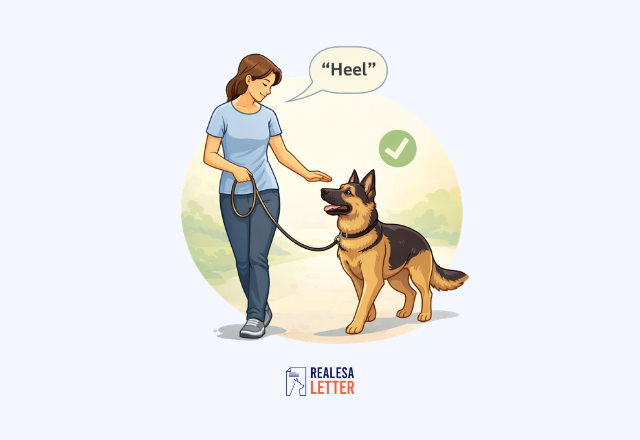
If your dog consistently resists and seems stressed, there is no obligation to push this particular trick. There are many other engaging tricks, like "high five," "heel," or "shake," that may suit your dog's comfort level better.
Building on Roll Over: Related Tricks to Try Next
Once your dog has mastered roll over, you have a natural foundation to build from. Two of the easiest progressions include "play dead" and "show belly."
Play dead uses the same rolling-onto-the-side motion as the first phase of roll over. The key difference is that the verbal cue (often "bang!" paired with a finger-gun hand gesture) tells the dog to stay on their side rather than completing the full rotation. Because your dog already knows the side-roll motion, the learning curve is much shorter.
Show belly is simply asking your dog to roll onto their back and stay there on command. Since your dog already rolls to their back during the roll over sequence, isolating and naming that moment is a natural next step. This is also practically useful during grooming and veterinary visits.
Both tricks reinforce the same neural pathways built during roll over training and deepen your dog's ability to follow complex command chains.
How to Keep the Roll Over Trick Sharp Over Time
Mastering roll over is one thing. Keeping it reliable long-term takes a little ongoing effort. Dogs can and do "forget" tricks that are not practiced regularly, particularly complex multi-step behaviors like roll over.
Once your dog has the trick down confidently, maintain it with a few short practice repetitions a few times per week. You do not need a full training session, simply weaving a "roll over" cue into your normal routine, during a play session or before a walk, is enough to keep the behavior fresh.
Also pay attention to your own body position during these maintenance sessions. If you originally trained roll over while sitting or kneeling on the floor, your dog may not respond the same way when you ask while standing upright.
Gradually practice the cue from a standing position so your dog learns to respond to the verbal command regardless of where you are. This small adjustment makes the trick far more impressive and practical in real-world situations.
Roll Over Training and Emotional Support Dogs
For dog owners who rely on their pet for emotional support, trick training like roll over is more than just entertainment. Regular structured training sessions provide a routine that benefits both you and your dog.
The interaction involved in training, the communication, the small wins, and the bonding time, all contribute to the emotional connection that makes companion animals so meaningful to people managing anxiety, depression, PTSD, and other mental health conditions.
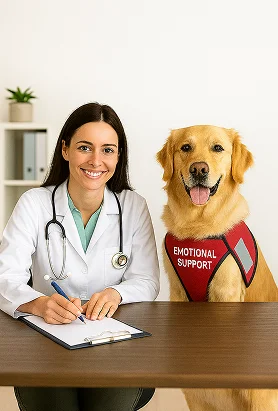
Dedicated emotional support dog training builds on this foundation, helping your dog become a more responsive, calm, and effective source of comfort. If your dog is currently serving as an emotional support animal or you are wondering where to get an ESA letter, RealESALetter.com offers guidance on the process and what documentation you may need for housing and other protections.
In summary, learning how to teach a dog to roll over is a rewarding process that requires patience, the right treats, a distraction-free space, and a commitment to positive reinforcement.
By breaking the trick into small, manageable steps, working with your dog's natural movement preferences, and keeping sessions short and fun, you can expect most dogs to be rolling over on command within a few weeks.
Remember, the goal is not just the trick itself. It is the time spent working together, communicating, and building a relationship based on trust and mutual enjoyment. Whether your dog nails it in three sessions or thirty, every moment of consistent, kind training makes your bond stronger.
Start with the "down" command, grab those high-value treats, and get ready to have a little fun with your pup.


 Pricing
 PSD Letter
 Reviews
 ESA By States
 ESA Laws
 Resources