


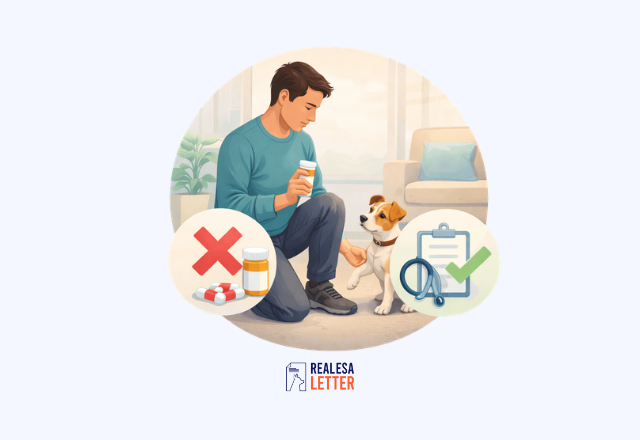
No. You should never give ibuprofen to your dog. There is no safe dose, even a fraction of a standard tablet can cause life-threatening kidney failure, stomach ulcers, and internal bleeding in dogs of any size.
Did your dog already eat ibuprofen?
Do not wait for symptoms, call now.
Symptoms can be delayed up to 24 hours. By the time vomiting or lethargy appears, kidney damage may already be progressing silently. Call immediately even if your dog seems completely fine.
ASPCA Animal Poison Control: 888-426-4435 (24/7 — fee may apply) Pet Poison Helpline: 855-764-7661 (24/7)
Or go directly to your nearest emergency veterinary clinic.
When your dog is limping, whimpering, or showing signs of discomfort, your instinct is to help them feel better quickly. It’s common for pet owners to look in their medicine cabinet and wonder whether a familiar human pain reliever like ibuprofen might provide relief.
However, medications that are safe for people can be extremely dangerous for dogs. Ibuprofen, sold under brand names including Advil, Motrin, Midol, Nuprin, Advil PM, Advil Cold & Sinus, Children's Advil, and many multi-symptom cold and flu medicines, is not safe for dogs at any dose.
This guide explains why ibuprofen is unsafe for dogs, the warning signs of toxicity to watch for, and the safer veterinary-approved alternatives available to manage your dog’s pain effectively.
How Much Ibuprofen Is Toxic to Dogs?
There is no safe dose of ibuprofen for dogs. However, understanding the dose thresholds helps explain why even a small amount demands immediate action, and why you should never wait to see if symptoms develop.
The toxic effects of ibuprofen in dogs are dose-dependent, meaning the higher the dose relative to body weight, the more severe the damage:
Dog's Weight | Causes GI Symptoms | Causes Kidney Damage | Causes Neurological Effects |
10 lbs (4.5 kg) | 112 mg (~½ standard tablet) | 560 mg (~3 tablets) | 1,125 mg (~5+ tablets) |
20 lbs (9 kg) | 225 mg (~1 tablet) | 1,125 mg (~5 tablets) | 2,250 mg |
25 lbs (11 kg) | 280 mg (~1.5 tablets) | 1,400 mg (~7 tablets) | 2,800 mg |
50 lbs (22 kg) | 560 mg (~3 tablets) | 2,800 mg | 5,600 mg |
75 lbs (34 kg) | 840 mg (~4 tablets) | 4,200 mg | 8,400 mg |
Standard OTC ibuprofen tablet = 200mg. Extra-strength = 400mg–600mg. Prescription-strength = 800mg.
Important: These are minimum thresholds, not safe amounts. Some dogs — particularly seniors, dogs with pre-existing kidney or liver disease, or dogs already on other NSAIDs or corticosteroids — can experience serious toxicity well below these doses. Treat any ingestion as an emergency regardless of the amount.
Extended-release ibuprofen formulas are more dangerous, not less — vomiting induction is less effective because the drug absorbs more slowly and over a longer window, making decontamination harder even when caught early.
How Dogs Metabolize Medications Differently
Dogs metabolize medications very differently than humans. Ibuprofen belongs to a class of drugs called non-steroidal anti-inflammatory drugs (NSAIDs), which work by inhibiting enzymes called cyclooxygenases (COX-1 and COX-2). While humans can safely process and eliminate ibuprofen from their systems, dogs lack the necessary enzymes to break down this medication efficiently.
Key differences in canine metabolism:
- Slower elimination rate: Dogs eliminate ibuprofen much more slowly than humans, allowing toxic levels to build up quickly in their system.
- Higher sensitivity to COX-1 inhibition: Dogs are particularly vulnerable to COX-1 inhibition, which protects the stomach lining and maintains proper kidney function.
- Smaller body mass: What seems like a small dose for a human can be a massive overdose for a dog, especially smaller breeds.
- Individual variations: Factors like age, pre-existing conditions, and concurrent medications can increase toxicity risk.
The Mechanism of Ibuprofen Toxicity
When dogs ingest ibuprofen, the drug interferes with prostaglandin production, compounds that help regulate blood flow to the kidneys, maintain the protective mucus lining in the stomach, and support blood clotting. Without adequate prostaglandins:
Gastrointestinal damage occurs: The stomach lining becomes vulnerable to acid erosion, leading to ulcers, bleeding, and perforation in severe cases.
Kidney function deteriorates: Reduced blood flow to the kidneys can cause acute kidney injury or failure, especially in dogs with pre-existing kidney disease or dehydration.
Neurological effects emerge: In high doses, ibuprofen can affect the central nervous system, causing seizures, tremors, and loss of coordination.
The toxic dose of ibuprofen for dogs is approximately 50 mg per pound of body weight for gastrointestinal symptoms and 100 mg per pound for kidney damage. To put this in perspective, a single 200 mg ibuprofen tablet could cause significant harm to a 10-pound dog.
Some dogs face significantly higher risk even at doses below the thresholds shown above. Senior dogs with reduced kidney reserve, dogs with pre-existing kidney or liver disease, dehydrated dogs, and dogs already on corticosteroids or other NSAIDs can experience serious toxicity at a fraction of the standard threshold dose. For these dogs, even a small accidental exposure should be treated as a critical emergency.
Signs and Symptoms of Ibuprofen Poisoning in Dogs
Early warning signs often include vomiting, diarrhea, drooling, and a noticeable loss of appetite. Your dog may seem unusually tired, weak, or depressed as the medication begins to affect their system.
As toxicity progresses, stomach ulcers and internal bleeding can develop, sometimes causing bloody vomit or dark, tarry stools. In more severe cases, kidney damage may occur, leading to increased thirst, changes in urination, or dehydration.
Neurological symptoms such as tremors, disorientation, or seizures can also arise if the poisoning is significant. Seeking immediate veterinary care at the first sign of symptoms greatly improves the chances of recovery.
Early Warning Signs (2-6 Hours)
- Vomiting (sometimes with blood)
- Diarrhea (may appear black or tarry from digested blood)
- Loss of appetite
- Lethargy or weakness
- Nausea and excessive drooling
- Abdominal pain (hunched posture, reluctance to move)
- Decreased urination or changes in urination frequency
Progressive Symptoms (12-24 Hours)
- Bloody vomit (resembling coffee grounds)
- Bloody or black, tarry stools (melena)
- Pale gums indicating anemia
- Increased thirst and urination (signs of kidney stress)
- Bad breath with a chemical odor
- Dehydration
- Depression or disorientation
Severe/Late-Stage Symptoms (24+ Hours)
- Seizures or tremors
- Loss of coordination (ataxia)
- Collapse or inability to stand
- Coma
- Complete kidney failure (no urine production)
- Severe anemia from internal bleeding
- Respiratory distress
- Death
If you suspect your dog has ingested ibuprofen, treat it as a medical emergency and contact your veterinarian or the ASPCA Animal Poison Control Center (888-426-4435) immediately. Time is critical, the sooner treatment begins, the better the prognosis.
What to Do If Your Dog Eats Ibuprofen
Quick action is essential if your dog accidentally ingests ibuprofen. Even a single tablet can be dangerous, depending on your dog’s size and the dosage strength. The faster you respond, the better the chances of preventing serious complications such as stomach ulcers or kidney damage.
Do not assume your dog will be fine if they seem normal at first, as symptoms can develop within hours. Immediate veterinary guidance is always the safest course of action. Avoid home remedies unless specifically directed by a professional. Acting quickly and calmly can make a critical difference in your dog’s outcome.
Follow these steps:
Step 1: Stay Calm and Gather Information
- Note the exact time of ingestion
- Determine how many pills your dog consumed
- Check the dosage strength (typically 200 mg, 400 mg, or 600 mg per tablet)
- Identify if the ibuprofen was regular or extended-release formula
- Consider your dog's weight for dose calculation
Step 2: Contact Your Veterinarian Immediately
Call your regular veterinarian or an emergency veterinary clinic right away. Provide them with:
- Your dog's weight and breed
- The exact amount of ibuprofen ingested
- The time of ingestion
- Any symptoms your dog is currently showing
Do not wait for symptoms to appear before seeking help. Early intervention significantly improves outcomes.
Step 3: Consider Emergency Decontamination
If instructed by your veterinarian and ingestion occurred within the last 1-2 hours, you may be advised to induce vomiting using hydrogen peroxide (3% solution only). However, never induce vomiting without veterinary guidance, as it can be dangerous in certain situations, such as:
- If your dog is already vomiting
- If your dog is unconscious or having seizures
- If your dog has swallowed sharp fragments from chewing the bottle
- If more than 2 hours have passed since ingestion
Step 4: Transport to Emergency Veterinary Care
In most cases, veterinary treatment is necessary. Your vet may provide:
- Activated charcoal: Given to absorb remaining ibuprofen in the stomach and intestines
- IV fluids: To support kidney function and prevent dehydration
- Gastroprotectants: Medications like sucralfate or omeprazole to protect the stomach lining
- Anti-nausea medications: To control vomiting
- Blood work monitoring: To assess kidney function, liver enzymes, and blood cell counts
- Hospitalization: For severe cases requiring intensive monitoring and supportive care
What Will the Vet Test?
When you arrive at the veterinary clinic, your vet will perform a physical examination and run a series of diagnostic tests to assess how much damage has occurred and guide treatment decisions. Understanding what to expect helps you prepare and ask the right questions.
Bring the medication packaging with you. The label's NDC number (National Drug Code) allows the vet to identify the exact formulation — regular, extended-release, or combination — which directly affects treatment decisions.
Diagnostic tests your vet will likely run:
Complete Blood Count (CBC): Measures red blood cells, white blood cells, and platelets. A low red blood cell count (anemia) indicates internal bleeding from GI ulcers. Low platelets indicate impaired blood clotting — a serious complication.
BUN (Blood Urea Nitrogen) and Creatinine: These are the primary kidney function markers. Elevated BUN and creatinine levels indicate that the kidneys are under stress or already damaged. Your vet will retest these at 24 and 48 hours to monitor whether kidney function is worsening or stabilising.
Urinalysis: Protein in the urine (proteinuria) signals damage to the kidney tubules — the filtering structures that ibuprofen directly harms. Decreased urine concentration is another early sign of kidney dysfunction.
Liver Enzyme Panel (ALT and AST): Elevated liver enzymes indicate that the liver is also under stress — particularly relevant with high-dose ingestions or combination products containing acetaminophen.
Electrolytes (Sodium, Potassium, Chloride): Vomiting and diarrhea rapidly deplete electrolytes, which can cause dangerous imbalances affecting heart rhythm and muscle function. IV fluid formulas are adjusted based on these results.
What the results will determine:
- Normal kidney values at 24–48 hours = good prognosis, treatment likely to be short-term
- Mildly elevated kidney values = moderate concern, extended IV fluid support needed
- Significantly elevated kidney values or declining urine output = serious kidney injury, intensive care required
Prognosis and Recovery — Will My Dog Be OK?
This is the question every owner needs answered, and it is the one most articles fail to address directly. Here is an honest, complete answer.
Prognosis by treatment timing:
Treated within 1–2 hours of ingestion: Excellent prognosis. If vomiting is successfully induced and activated charcoal is administered within this window, most dogs recover fully with no lasting organ damage. A short hospitalisation of 24 hours for monitoring is typical.
Treated within 6–12 hours of ingestion: Good prognosis in most cases. The decontamination window has passed, so treatment focuses on IV fluid support to protect the kidneys and gastroprotectant medications to manage stomach lining damage. Most dogs stabilise within 24–48 hours. Some may require 2–4 weeks of oral gastroprotectant medication after discharge. Follow-up bloodwork at 7 days is standard.
Treated after 24 hours with kidney involvement: Guarded prognosis. By this stage, kidney damage is likely measurable on bloodwork. Some dogs recover kidney function with aggressive IV fluid therapy and supportive care. Others develop chronic kidney disease requiring long-term dietary management, periodic blood monitoring, and in some cases lifelong medication. The prognosis is highly individual and depends on the dose ingested, the dog's age, and pre-existing health status.
Untreated severe cases: Without veterinary intervention, severe ibuprofen poisoning can be fatal within 24–72 hours from kidney failure, severe gastrointestinal bleeding, or neurological collapse.
Recovery at home after discharge:
Your vet will provide specific instructions, but typical post-treatment home care includes:
- Diet: Bland, easily digestible food — boiled chicken and white rice — for 7–14 days while the stomach lining heals. Avoid any dry kibble or high-fat food during this period.
- Medications: Most dogs are discharged with a course of gastroprotectant medication (sucralfate, omeprazole, or both) for 2–4 weeks. Administer exactly as prescribed — do not stop early even if your dog seems fully recovered.
- Exercise: Restrict strenuous activity for 1–2 weeks. Avoid anything that raises heart rate significantly, as this can stress recovering kidneys.
- Follow-up bloodwork: A kidney function recheck at 7 days post-discharge is standard. If kidney values were elevated during hospitalisation, a second recheck at 30 days is usually recommended.
- Long-term monitoring: Dogs who experienced measurable kidney stress during the poisoning event should have annual kidney panels for the rest of their lives, as they carry a higher risk of developing chronic kidney disease in later years.
Signs that require an immediate return to the vet after discharge: Renewed vomiting, black or bloody stools, significant decrease in urination, sudden lethargy, loss of appetite, or any signs of abdominal pain.
Step 5: Follow-Up Care
After initial treatment, your dog may require:
- Continued gastroprotectant medications for 2-4 weeks
- Repeated blood work to monitor kidney and liver function
- Dietary modifications (bland, easily digestible food)
- Activity restriction during recovery
The cost of treatment for ibuprofen poisoning can range from $500 to $5,000+ depending on the severity and duration of hospitalization required.
Safe Pain Relief Alternatives for Dogs
When your dog is in pain, it’s natural to want to help right away, but human medications are not the answer. Fortunately, there are many safe and effective pain relief options designed specifically for dogs.
These treatments are formulated to match a dog’s unique metabolism and reduce the risk of serious side effects. Always consult your veterinarian before starting any medication or supplement. Proper diagnosis is essential to ensure the pain is treated appropriately. With the right veterinary guidance, your dog can stay comfortable while minimizing health risks.
Veterinary-Approved NSAIDs for Dogs
These medications are designed specifically for canine physiology and are safer than human NSAIDs when prescribed appropriately. They work by reducing inflammation, pain, and fever associated with conditions like arthritis or surgery.
A veterinary exam is necessary to determine the correct drug and dosage. Response to treatment should be monitored closely, especially during long-term use. Routine lab work helps detect potential side effects early, particularly involving the kidneys or liver.
Unlike human NSAIDs, these medications are specifically formulated for canine metabolism:
Carprofen (Rimadyl): The most commonly prescribed NSAID for dogs, effective for arthritis, post-surgical pain, and inflammation. Available in tablet, chewable, and injectable forms.
Meloxicam (Metacam): A liquid NSAID often used for chronic pain conditions and osteoarthritis. Administered once daily with food.
Deracoxib (Deramaxx): A COX-2 selective NSAID used for post-operative pain and chronic arthritis management.
Firocoxib (Previcox): Another COX-2 selective option for osteoarthritis pain in dogs.
Grapiprant (Galliprant): A newer class of pain medication (piprant) that targets the specific pain receptor without affecting kidney or gastrointestinal prostaglandins.
Important considerations for veterinary NSAIDs:
- Require a veterinary prescription and examination
- Should be given with food to minimize stomach upset
- Require baseline blood work and periodic monitoring
- Should not be combined with other nonsteroidal anti inflammatory drug (NSAIDs) or steroids
- May not be suitable for dogs with kidney, liver, or gastrointestinal disease
Other Prescription Pain Medications for Dogs
These medications are typically used when NSAIDs alone are not sufficient or cannot be used safely. Many are combined to target different pain pathways for better control. Dosage and monitoring depend on your dog’s age, weight, and underlying health conditions.
Regular veterinary follow-up is important to assess effectiveness and watch for side effects. Never adjust doses or discontinue these medications without professional guidance.
Gabapentin: An anticonvulsant medication that also treats nerve pain and anxiety. Often used in combination with NSAIDs for comprehensive pain management, especially in dogs with arthritis or chronic pain conditions.
Tramadol: A mild opioid pain reliever for moderate to severe pain. Commonly prescribed after surgery or for cancer-related pain.
Amantadine: An NMDA receptor antagonist that enhances the effects of other pain medications and is particularly useful for chronic pain syndromes.
Amitriptyline: A tricyclic antidepressant that can help manage chronic pain, particularly neuropathic pain.
Corticosteroids (Prednisone, Dexamethasone): Powerful anti-inflammatory medications used for conditions like allergic reactions, inflammatory diseases, and certain types of pain. Generally not used long-term due to side effects.
In some cases, dogs recovering from painful episodes may also show signs of severe stress or anxiety. In such situations, your vet may discuss alprazolam for dogs as a short-term measure to help manage acute anxiety during the treatment and recovery process.
Non-Pharmaceutical Pain Management Options
Non-drug therapies can significantly improve comfort and mobility, especially in chronic conditions like arthritis. These approaches are often used alongside medications to reduce required dosages and improve overall outcomes.
Consistency is key, as many therapies provide gradual benefits over time. Your veterinarian can help determine which options are most appropriate based on your dog’s diagnosis and mobility level.
Physical therapy and rehabilitation: Hydrotherapy, therapeutic exercises, and massage can significantly improve mobility and reduce pain in dogs with arthritis or recovering from injury.
Cold and heat therapy: Ice packs can reduce acute inflammation and swelling, while warm compresses increase blood flow and relax muscles for chronic conditions.
Acupuncture: Increasingly popular for managing chronic pain, arthritis, and neurological conditions in dogs.
Laser therapy: Cold laser (low-level laser therapy) reduces inflammation and promotes tissue healing.
Weight management: Maintaining a healthy weight reduces stress on joints and can dramatically decrease pain in dogs with arthritis.
Orthopedic bedding: Memory foam or orthopedic dog beds provide better support for dogs with joint pain.
Joint supplements: Glucosamine, chondroitin, MSM, and omega-3 fatty acids support joint health and may reduce inflammation, though they work more as preventatives than acute pain relievers.
CBD oil: While research is still emerging, some studies suggest CBD oil for dogs may help manage pain and inflammation. Only use veterinary-formulated products and consult your vet before starting.
When to See a Veterinarian for Your Dog's Pain
Recognizing when your dog needs professional care can prevent minor issues from becoming serious medical problems. While some mild discomfort may resolve with rest, persistent or severe pain should never be ignored.
Dogs often hide pain instinctively, so subtle changes in behavior can signal something more significant. Trust your instincts; if something feels off, it’s better to have your veterinarian evaluate your pet. Early diagnosis not only relieves suffering faster but can also reduce the risk of long-term complications.
Not all pain requires emergency veterinary care, but knowing when to seek professional help is crucial for your dog's wellbeing.
Emergency Situations Requiring Immediate Care
- Severe limping or inability to bear weight on a limb
- Visible signs of trauma (wounds, bleeding, fractures)
- Persistent vomiting or diarrhea
- Abdominal pain with a distended, hard belly
- Difficulty breathing or rapid breathing
- Collapse or sudden weakness
- Vocalization indicating severe pain (crying, whimpering, yelping)
- Signs of neurological problems (seizures, disorientation, loss of balance)
- Suspected toxin ingestion (including human medications)
Non-Emergency Pain That Still Needs Veterinary Evaluation
- Gradual onset of limping lasting more than 24-48 hours
- Stiffness, especially after rest or in the morning
- Reluctance to jump, climb stairs, or perform previously normal activities
- Changes in behavior (hiding, aggression, decreased appetite)
- Excessive licking or chewing at a specific body area
- Restlessness or inability to get comfortable
Never attempt to diagnose or treat your dog's pain without veterinary guidance. What appears to be a minor issue could indicate a serious underlying condition requiring specific treatment.
Understanding Your Dog's Pain: Common Causes
Identifying the source of your dog’s pain is essential for choosing the right treatment approach. Pain may stem from sudden injury, underlying disease, or progressive age-related degeneration. The location, duration, and severity of symptoms often provide important diagnostic clues.
Acute pain typically appears suddenly and is linked to a specific event or illness. Chronic pain develops gradually and may worsen over time without obvious trauma. Some conditions cause both acute flare-ups and long-term discomfort.
Because many causes overlap in symptoms, veterinary examination and diagnostic testing are often necessary. Recognizing the underlying cause of your dog's pain helps you provide appropriate care and have informed discussions with your veterinarian.
Acute Pain Causes
- Injuries: Sprains, strains, fractures, lacerations, bite wounds, or trauma from accidents.
- Post-surgical pain: Normal recovery process after any surgical procedure, from routine spaying/neutering to complex orthopedic surgeries.
- Infections: Ear infections, urinary tract infections, tooth abscesses, or skin infections.
- Gastrointestinal issues: Pancreatitis, gastroenteritis, foreign body obstruction, or bloat.
- Acute injuries: Torn ligaments (like ACL tears), muscle pulls, or joint injuries.
Chronic Pain Conditions
- Osteoarthritis: The most common chronic pain condition in dogs, affecting up to 20% of dogs over one year old. Characterized by joint inflammation, cartilage degeneration, and reduced mobility.
- Hip dysplasia: A hereditary condition where the hip joint doesn't develop properly, leading to arthritis and chronic pain, particularly common in larger breeds.
- Intervertebral disc disease (IVDD): Spinal disc problems causing back pain, weakness, or paralysis, especially in long-backed breeds like Dachshunds.
- Dental disease: Periodontal disease, tooth fractures, and oral infections cause significant pain that often goes unrecognized.
- Cancer: Various types of cancer can cause pain, either from the tumor itself or metastasis to bones and organs.
- Chronic inflammatory conditions: Inflammatory bowel disease, autoimmune disorders, or chronic pancreatitis.
Age-Related Pain
Senior dogs frequently experience pain from multiple conditions simultaneously, including degenerative joint disease, cognitive decline, muscle atrophy, and organ disease. Recognizing pain in older dogs is particularly important, as they may be stoic and show subtle signs.
Senior dogs may also develop dry, flaky skin. Knowing how to treat dog dandruff in aging dogs can help keep them comfortable on the outside while their pain is being managed medically on the inside.
Preventing Accidental Ibuprofen Ingestion
Accidental ingestion is one of the most common causes of ibuprofen toxicity in dogs. Most cases occur when medications are left within reach or dropped on the floor unnoticed. Dogs are naturally curious and may chew bottles, blister packs, or purses to access pills. Even a single tablet can cause serious harm, especially in small breeds.
Preventive steps significantly reduce the risk of emergencies and costly treatment. Creating a medication-safe environment requires consistency and awareness from everyone in the household. Awareness and proper storage habits can make a critical difference in protecting your pet.
Safe Medication Storage Practices
- Keep all human medications in secure, childproof containers and store them in cabinets or drawers out of your dog's reach.
- Never leave pills on countertops, nightstands, or in easily accessible locations where curious dogs can find them.
- Dispose of expired or unwanted medications properly through pharmacy take-back programs, not in trash cans your dog can access.
- Be cautious with purses, backpacks, and luggage that might contain medication bottles; dogs can easily unzip bags and chew through containers.
- Educate all household members and guests about the dangers of leaving medications accessible to pets. This is also a great opportunity to think about how old to train a dog to leave medications and household objects alone — basic "leave it" commands can be introduced as early as 8 weeks, and could one day prevent an accidental ingestion.
Creating a Pet-Safe Home Environment
- Use pet-proof trash cans with secure lids
- Install baby gates to restrict access to areas where medications are stored or used
- Immediately clean up any spilled medications
- Be vigilant when dropping pills; dogs can quickly snatch them from the floor
- Consider using a pill organizer specifically for pet medications to avoid confusion
What to Do With Pill Bottles
Dogs are attracted to the rattling sound of pill bottles and the challenge of chewing through plastic. If your dog has a history of counter-surfing or getting into things:
- Transfer human medications to a locked medicine cabinet immediately after use
- Never assume a childproof cap will stop a determined dog; they have powerful jaws
- Keep phone numbers for your veterinarian and poison control readily available
Hidden-Risk Situations Most Owners Never Think About
Most ibuprofen poisonings happen in ordinary moments that owners never anticipated. These are the situations your usual precautions won't cover:
- Guests and visitors: A friend or family member leaves their bag on the floor. Dogs sniff out pill bottles tucked into side pockets within minutes. Ask guests to keep bags elevated or in a closed room.
- Children's flavored ibuprofen: Liquid children's ibuprofen is fruit-flavored and brightly colored. To a dog, it smells like a treat. Store it with the same security as adult ibuprofen — a low cabinet is not sufficient.
- Hotel rooms when traveling: Nightstands in hotel rooms often contain medications left behind by previous guests. Check the nightstand drawer as soon as you arrive and keep your dog out of reach until you have.
- Your own dropped pill: One unnoticed 200mg tablet on the floor is enough to cause toxicity in a 25 lb dog. When you take ibuprofen, do it over a hard surface, count your pills before and after, and scan the floor before letting your dog back into the room.
- Multi-symptom cold and flu medicines: Owners frequently don't check labels on cold medicines, period relief tablets, or PM sleep aids. Many — including Advil Cold & Sinus, Advil PM, DayQuil Severe, and Midol Extended Relief — contain ibuprofen. Treat any medicine cabinet product as potentially dangerous until you've verified the ingredients.
- Post-surgery households: If anyone in your home has recently had surgery or dental work, prescription-strength ibuprofen tablets (400mg–800mg) may be present — 2 to 4 times more potent than standard OTC tablets. These must be treated as locked-cabinet items, not nightstand items.
- Gym bags and sports kits: Athletes often carry ibuprofen loose in gym bags, cycling kits, or hiking packs. These bags are routinely dropped on the floor. Your dog will investigate immediately.
Which Everyday Products Contain Ibuprofen
Many owners don't realise how many common household products contain ibuprofen. The front of the packaging often doesn't make it clear. Before leaving any of the following accessible to your dog, check the "Active Ingredients" section on the Drug Facts panel on the back of the packaging.
Pain and fever relief: Advil (tablets, gel caps, liquid gels), Motrin IB, Nuprin, Rufen, Menadol, Haltran
Women's health and period relief: Midol Extended Relief, Pamprin IB, Advil Menstrual Pain
Children's and junior formulas: Children's Advil, Junior Strength Motrin, PediaCare Fever Reducer and Pain Reliever (Note: these are fruit-flavored — especially dangerous if left where a dog can access them)
Sleep and PM formulas: Advil PM, Motrin PM (contain ibuprofen + diphenhydramine — two active ingredients that are both harmful to dogs)
Cold, flu, and sinus: Advil Cold & Sinus, Advil Multi-Symptom Cold, DayQuil Severe
Combination products: Advil Dual Action (contains both ibuprofen AND acetaminophen — dangerous on two separate fronts, as acetaminophen causes liver failure in dogs)
Simple rule: If a product treats pain, fever, menstrual cramps, cold symptoms, or helps you sleep — check the label before leaving it anywhere your dog can reach.
How to Check If a Medication Contains Ibuprofen
To confirm whether any medication contains ibuprofen, look at the Drug Facts panel — found on the back or side of the packaging — and find the "Active Ingredients" line.
Ibuprofen will always be listed by that name, often followed by "(NSAID)" in brackets. It is never hidden under a different chemical name in over-the-counter products sold in the US.
However, it may appear alongside other active ingredients that are also dangerous to dogs:
- Ibuprofen + Diphenhydramine = Advil PM, Motrin PM
- Ibuprofen + Pseudoephedrine = Advil Cold & Sinus
- Ibuprofen + Acetaminophen = Advil Dual Action (both ingredients toxic to dogs)
If a product has more than one active ingredient, check every one of them. Combination products can expose your dog to two different types of toxicity simultaneously, complicating treatment and worsening prognosis.
If you cannot find the Drug Facts panel — for example on a foreign-purchased medication or a product with packaging in another language — do not leave it accessible to your dog until you can verify the ingredients.
Special Consideration: Multi-Dog Households
If you have more than one dog, or a dog who is already on a vet-prescribed NSAID like Rimadyl or Metacam, take two additional precautions that most prevention guides never mention:
- Label everything clearly. In households where one dog has a canine NSAID prescription and human ibuprofen is also present, medication mix-ups do happen — especially when multiple family members are involved in the dog's care. Use different-colored containers, or mark ibuprofen bottles clearly with "HUMAN — TOXIC TO DOGS" using a permanent marker. Label veterinary medications "DOG ONLY — [Dog's name]."
- Never let one dog access another dog's NSAID prescription. Canine NSAIDs like Rimadyl and Metacam are dosed precisely by each individual dog's body weight. A 10 lb dog eating a dose calculated for a 60 lb dog can experience the same severity of toxicity as ibuprofen poisoning — GI damage, kidney stress, and potentially worse. Keep all pet medications out of reach of all pets in the household, not just out of reach of dogs in general.
Save These Numbers Before You Need Them
If your dog accesses ibuprofen despite every precaution, the speed of your response is the single biggest factor in their recovery. Don't search for these numbers in a panic — save them now.
ASPCA Animal Poison Control Center: 888-426-4435 (available 24/7, consultation fee may apply)
Pet Poison Helpline: 855-764-7661 (available 24/7)
Do not wait for symptoms before calling. Ibuprofen toxicity symptoms can be delayed up to 24 hours, and by the time signs appear, kidney damage may already be progressing. If your dog has accessed any product containing ibuprofen, even a small amount, call immediately.
BEST — How to monitor your dog on any NSAID (including vet-prescribed ones like Rimadyl):
B — Behavior changes: unusual lethargy, hiding, aggression, or depression
E — Eating less or stopped eating entirely
S — Skin changes: redness, sores, or unusual scratching
T — Tarry, black, or bloody stools
If you notice any of these signs while your dog is on any NSAID, prescription or otherwise, stop the medication and call your vet immediately.
The Role of Emotional Support Animals in Pain Management
For individuals managing chronic pain conditions or disabilities, an emotional support animal can provide invaluable comfort and improve quality of life. Similarly, when your dog is experiencing pain, the emotional support and companionship you provide play a crucial role in their recovery and wellbeing.
Understanding the human-animal bond helps us appreciate why we're so motivated to relieve our dogs' suffering. If you're dealing with a chronic health condition and your pet provides emotional support that improves your mental health, you may qualify for an emotional support animal.
RealESALetter.com connects individuals with licensed healthcare professionals who can evaluate whether an ESA is appropriate for their mental health needs, especially if you're wondering how to get an ESA letter for my dog.
The platform guides you through a simple online assessment and connects you with a licensed provider who can determine your eligibility. An ESA letter provides legal protections under the Fair Housing Act, allowing you to live with your emotional support animal even in housing with pet restrictions.
The relationship between pain management and emotional support works both ways: your dog provides you with comfort during difficult times, and you ensure they receive appropriate veterinary care and pain relief when they need it most.
In conclusion, when your dog is in pain, wanting to provide fast relief is a natural expression of love and responsibility. However, giving ibuprofen or any human pain medication without veterinary guidance can have devastating consequences.
Ibuprofen is highly toxic to dogs and can cause stomach ulcers, internal bleeding, kidney failure, and even neurological damage. Even small amounts can be dangerous, especially for smaller breeds. There is no safe over-the-counter human dose of ibuprofen for dogs.
If your dog accidentally ingests ibuprofen, immediate veterinary care is critical, even if symptoms haven’t appeared yet. Early treatment greatly improves the chances of recovery. The good news is that many safe, veterinarian-approved pain relief options are available. From canine-specific NSAIDs to prescription medications and non-drug therapies, your vet can tailor treatment to your dog’s needs.
Prevention is equally important; store medications securely and ensure everyone in your household understands the risks. Your dog depends on you to make informed healthcare decisions. When pain strikes, reach for your phone to call the veterinarian, not the medicine cabinet. Prompt, professional care helps ensure a safer, healthier, and more comfortable life for your beloved companion.
Frequently Asked Questions
Can I give my dog baby aspirin instead of ibuprofen?

While baby aspirin (acetylsalicylic acid) is sometimes used in dogs under veterinary supervision, it should never be given without consulting your veterinarian first.
Aspirin can cause similar gastrointestinal and bleeding problems as ibuprofen, though at higher doses. If your vet recommends aspirin for your dog, they'll provide specific dosing instructions based on your dog's weight and condition. Never substitute aspirin for prescribed veterinary medications.
What human pain medication is safe for dogs?
No over-the-counter human pain medications are considered completely safe for dogs without veterinary guidance.
While some veterinarians may occasionally prescribe specific medications in carefully calculated doses, self-medicating your dog with any human pain reliever (including acetaminophen/Tylenol, which is extremely toxic to dogs) can be fatal. Always consult your veterinarian before giving your dog any medication.
How quickly does ibuprofen poisoning occur in dogs?
Symptoms of ibuprofen toxicity typically begin within 2-6 hours of ingestion, with gastrointestinal signs (vomiting, diarrhea, abdominal pain) appearing first.
Kidney damage may develop within 12-24 hours, particularly if the ingested dose is high. However, some effects may not be apparent for several days, which is why immediate veterinary care is essential even if your dog seems fine initially.
Can a small amount of ibuprofen kill a dog?
Yes, even small amounts of ibuprofen can be fatal to dogs, especially smaller breeds. A single 200 mg ibuprofen tablet can cause serious toxicity in a 10-pound dog, and higher doses can lead to kidney failure and death.
The toxic dose varies based on the dog's size, health status, and whether they've eaten recently, but there is no safe amount of ibuprofen for dogs. Any ingestion should be treated as an emergency.
What is the antidote for ibuprofen poisoning in dogs?
There is no specific antidote for ibuprofen poisoning in dogs.
Treatment focuses on supportive care: inducing vomiting if caught early, administering activated charcoal to absorb remaining medication, providing intravenous fluids to support kidney function, and giving medications to protect the stomach lining and control symptoms.
Early, aggressive treatment significantly improves the prognosis, which is why immediate veterinary care is critical.
My dog ate ibuprofen but seems fine, do I still need to go to the vet?
Yes, symptoms can be delayed 6–24 hours. Kidney damage is often silent until it's severe. Call poison control or go to the vet even if your dog acts completely normal.
Can I give my dog Tylenol instead of ibuprofen?
No. Acetaminophen (Tylenol) is even more dangerous to dogs than ibuprofen. It causes liver failure and damages red blood cells. There is no safe dose of Tylenol for dogs.
How long does ibuprofen stay in a dog's system?
Due to enterohepatic recirculation, ibuprofen can remain active in a dog's system for 24–72 hours, far longer than in humans. Monitoring must continue well after initial treatment even if early signs resolve.

WRITTEN BY
Dr. Avery Langston
Dr. Avery Langston is a licensed clinical therapist with more than 12 years of professional experience in emotional support animal (ESA) assessments, mental health counseling, and evidence-based therapeutic interventions. With a strong foundation in clinical psychology and a passion for mental-health education, Avery has guided thousands of individuals through the ESA qualification process while promoting emotional healing and stability. As a senior content contributor for RealESALetter.com, Avery focuses on writing accurate, accessible, and legally informed articles on ESA rights, housing protections, and mental wellness. Her mission is to help readers understand their ESA benefits clearly and confidently, backed by real clinical expertise.

Share this Article