


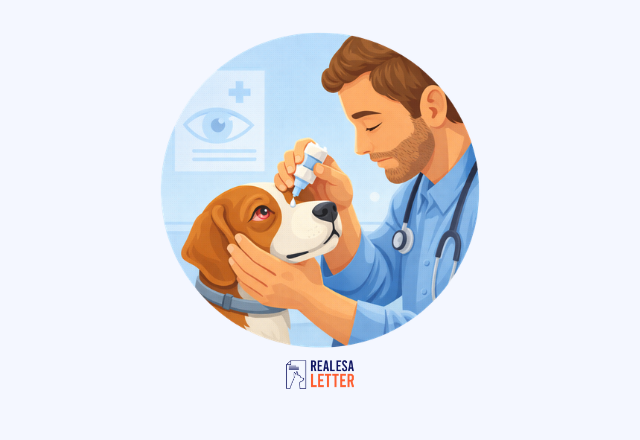
Dog eye infection treatment depends on identifying the underlying cause. Most cases are treated with veterinary-prescribed antibiotic eye drops or ointment (such as Terramycin or Tobramycin), an Elizabethan collar to prevent rubbing, and gentle cleaning of discharge with warm water.
Bacterial infections typically clear within 7 to 10 days with proper medication. Contact your veterinarian within 24 hours of noticing redness, colored discharge, squinting, or a visible third eyelid. Never use human eye drops or leftover pet medications without veterinary guidance.
When your dog starts squinting, pawing at their eye, or developing unusual discharge, it is natural to feel alarmed. Eye infections in dogs are one of the most common health concerns pet owners face, and they can range from minor irritation to conditions that threaten long-term vision if left untreated.
The encouraging news is that most canine eye infections respond well to treatment when caught early and managed correctly. Whether you are dealing with a bacterial infection, an inflamed cornea, or dry eye syndrome, recognizing the warning signs and understanding the causes is essential. Following the right treatment steps can make a significant difference in how quickly your dog recovers.
Let’s examine the most common causes, symptoms, and treatment options for dog eye infections.
What Causes Eye Infections in Dogs?
Dog eye infections do not all stem from the same source. The underlying cause shapes both the symptoms you will see and the treatment your vet will prescribe. The most common causes include:
Bacterial infections are the most frequent culprit. Bacteria such as Staphylococcus and Streptococcus, as well as those associated with Lyme disease, leptospirosis, canine ehrlichiosis, and canine brucellosis, can invade ocular tissue and cause infection. The American Kennel Club notes that bacterial infections are far more common than viral ones and typically require prompt veterinary treatment to prevent complications.
Viral infections, including canine distemper virus, canine herpesvirus, canine influenza, and canine hepatitis, can cause ocular inflammation. Viral infections are often self-limiting but can create conditions for secondary bacterial infections to develop.
Fungal and parasitic infections are less common but do occur, particularly in dogs with compromised immune systems. Ringworm in dogs, a fungal condition, is one example of how fungi can affect tissue near and around the eyes.
Foreign bodies such as grass seeds, fur, dust, or plant debris can lodge under the third eyelid or on the cornea, causing irritation and infection.
Corneal injury or trauma creates an entry point for bacteria, especially after scratches from another animal, running through dense brush, or debris striking the eye at speed.
Irritants, including smoke, chemical exposure, pool chlorine, and grooming products, can inflame the eye and increase susceptibility to infection.
Anatomical abnormalities like inward-turning eyelids (entropion), outward-turning eyelids (ectropion), abnormal eyelashes (distichiasis), eyelid tumors, and irregular tear film all increase a dog's long-term risk of recurring infections.
Dry eye (keratoconjunctivitis sicca, or KCS) occurs when the eyes do not produce sufficient tears, resulting in chronic inflammation, thick discharge, and recurrent infections.
Systemic diseases affecting the immune system, such as hypothyroidism in dogs, can predispose dogs to recurrent eye infections by weakening the body's ability to combat pathogens.
Types of Dog Eye Infections You Should Know
Not all dog eye infections are the same, and treating them as if they were can lead to delayed healing or even worsening symptoms. The eye is a complex structure with multiple layers and components, and an infection affecting the outer membrane behaves very differently from one that has penetrated deeper tissues.
Your veterinarian will work to identify the specific type before recommending any treatment plan. Some infections are straightforward and resolve quickly with topical medication, while others, such as those involving the cornea or the interior of the eye, require more aggressive intervention and careful monitoring.
Understanding the different types helps you recognize what your dog may be dealing with and communicate more effectively with your vet. Below are the most common types of eye infections and related conditions seen in dogs.
Conjunctivitis (Pink Eye)
Conjunctivitis is inflammation of the conjunctiva, the pink membrane lining the inside of the eyelids. It is the most common form of canine eye infection and can be caused by bacteria, viruses, allergens, or physical irritation.
Symptoms typically include redness, discharge, and squinting. According to VCA Animal Hospitals, most cases of conjunctivitis carry a good prognosis when the underlying cause is identified and treated promptly.
Keratitis and Corneal Ulcers
Keratitis is inflammation of the cornea. When the cornea is scratched or infected, a corneal ulcer can develop. These worsen rapidly without treatment. Fluorescein dye is applied during a vet exam to detect ulcers invisible to the naked eye.
Uveitis
Uveitis is inflammation inside the eye, affecting the iris, ciliary body, and/or choroid. It is painful, can impair vision, and may indicate an underlying systemic disease. Prompt diagnosis is essential.
Dry Eye (KCS)
Keratoconjunctivitis sicca occurs when tear production is insufficient. Without adequate tears to flush pathogens, the eye becomes chronically irritated with thick mucus-like discharge and is vulnerable to repeated infection. It requires lifelong management.
Blepharitis
Blepharitis is inflammation or infection of the eyelids caused by bacteria, allergies, parasites, or autoimmune conditions. The eyelids appear swollen, red, and itchy. Left untreated, it can spread to the eye surface.
Pannus (Chronic Superficial Keratitis)
Pannus is an immune-mediated condition in which blood vessels abnormally grow over the cornea, causing progressive cloudiness and inflammation. It is most common in German Shepherds, Greyhounds, and Belgian Malinois.
While not a traditional infection, pannus creates chronic irritation that significantly increases infection risk and can lead to permanent vision impairment if untreated. It requires long-term management with topical immunosuppressive medications.
Cherry Eye
Cherry eye is a prolapse of the tear gland on a dog's third eyelid, appearing as a reddish mass in the inner corner of the eye. While not an infection itself, it disrupts normal tear production and increases infection risk considerably. Our detailed guide to cherry eye in dogs covers symptoms and treatment options in full.
Styes and Chalazia
A stye is a painful, pus-filled bump on the eyelid from Staphylococcal bacteria infecting an oil gland. A chalazion is a firmer, non-painful lump from a blocked oil gland. Warm compresses applied 3 to 4 times daily can encourage drainage. Never attempt to pop or drain an eyelid lump at home.
Is It an Eye Infection or Something More Serious? Key Conditions
Many dog owners assume that any red, watery, or discharge-producing eye is automatically an infection. In reality, several serious conditions produce symptoms that look nearly identical to a routine eye infection but require completely different treatment approaches.
Applying the wrong treatment, such as antibiotic drops to an eye with elevated pressure from glaucoma, does not just fail to help; it can actively delay the care that is needed and accelerate vision loss. This is one of the most important reasons why a proper veterinary examination must come before any treatment decision.
If your dog has a red or painful eye and you are not sure what is causing it, treat the situation with urgency rather than a wait-and-see approach. The conditions below are the most common ones that are mistaken for infections.
Glaucoma
Glaucoma is increased pressure within the eye caused by a fluid drainage problem. It can appear as redness, squinting, and a watery eye, but if treated with standard infection medications instead of pressure-reducing agents, the delay can result in permanent blindness. Any deep, diffuse redness in the eye warrants immediate tonometry testing.
Tear Duct Obstruction and Vitamin Deficiency
Tear duct obstruction and vitamin deficiency can also produce discharge and redness that closely resembles infectious conjunctivitis. Only a veterinary examination can reliably differentiate these from a true infection.
Cataracts and Lenticular Sclerosis
Cataracts and lenticular sclerosis produce cloudiness in the eye lens that can be confused with corneal cloudiness from infection or ulceration. This is why a veterinary diagnosis before any treatment is not optional, it is essential. What appears to be a routine eye infection could be an emergency.
Dog Eye Infection Symptoms
Catching an eye infection early is one of the most effective things you can do for your dog's recovery. The earlier treatment begins, the lower the risk of complications such as corneal scarring, secondary infections, or permanent vision damage.
Most dogs will give you clear behavioral and physical signals that something is wrong with their eyes, though the specific combination of symptoms varies depending on the type and severity of the infection. It is important to note that a single symptom in isolation, such as a small amount of discharge, may not immediately indicate a problem.
However, when two or more of the following signs appear together, they are a reliable signal to contact your veterinarian without delay. Familiarizing yourself with what a healthy dog eye looks like makes it much easier to notice when something has changed.
Eye Discharge and What the Color Means
- Clear or watery discharge often points to allergies, minor irritation, or early viral infection.
- Yellow or green discharge is a strong indicator of bacterial infection requiring prompt veterinary evaluation.
- White or gray mucus is commonly associated with dry eye (KCS).
- Reddish-brown staining beneath the eyes (tear staining) is often caused by porphyrins. Cosmetic in many dogs, but worsening staining alongside other symptoms warrants a vet visit.
Squinting and Light Sensitivity
Squinting or photophobia signals pain or irritation. A dog seeking shade or keeping one eye partially closed deserves a close look.
Redness and Swelling
Infected eyes appear pinker or more red than normal, with swollen eyelid tissue that may look droopy or puffy.
Pawing and Rubbing
Because eye infections are often itchy or painful, dogs instinctively paw at their eyes or drag their faces across carpet and furniture. This behavior worsens the condition and can cause corneal damage.
Visible Third Eyelid
When the nictitating membrane becomes prominent or partially covers the eye, it is a reliable sign that the dog is uncomfortable or has an ocular condition requiring attention.
Cloudiness of the Eye
A blue or white haze over the cornea may indicate a corneal ulcer, glaucoma, or uveitis. Treat this as an emergency.
When to See a Vet vs. When to Seek Emergency Care
Eye infections in dogs can range from mild irritation to serious medical conditions that threaten vision. Knowing when to monitor symptoms and when to seek veterinary care is essential to protecting your dog’s eye health. Some symptoms may resolve with routine treatment, while others require immediate medical attention.
Call Your Vet Within 24 Hours If:
Certain symptoms may indicate an infection or irritation that requires veterinary evaluation but is not immediately life-threatening.
- Redness or discharge lasting more than a day: Mild irritation may occur temporarily, but persistent redness or discharge often signals infection or inflammation.
- Yellow, green, or thick discharge: These types of discharge are commonly associated with bacterial infections that require medication.
- Squinting or frequent eye rubbing: This behavior suggests discomfort, irritation, or possible injury to the eye surface.
- The third eyelid becomes visible: Dogs have a protective third eyelid that may appear when the eye is irritated or inflamed.
- Symptoms appear with lethargy, fever, or loss of appetite: These signs could indicate a more systemic infection affecting your dog’s overall health.
Seek Emergency Veterinary Care Immediately If:
Some eye conditions can rapidly lead to vision loss or permanent damage if not treated right away.
- Chemical exposure or trauma to the eye: Substances like cleaning products or physical injuries can cause severe damage.
- The eye appears bulging: This may indicate glaucoma or internal swelling that requires urgent treatment.
- A blue or white haze appears on the cornea: This can signal corneal ulcers, glaucoma, or serious inflammation.
- Your dog is in severe pain or unable to open the eye: Extreme sensitivity or inability to keep the eye open requires immediate care.
- Sudden vision loss: Disorientation, bumping into objects, or hesitation while walking may indicate rapid vision impairment.
- One eye appears significantly larger than the other: This can be a sign of glaucoma, which is a medical emergency.
How Veterinarians Diagnose Dog Eye Infections
When you bring your dog to the veterinarian for a suspected eye infection, the examination usually goes far beyond a simple visual inspection. Veterinarians perform a complete ophthalmic evaluation to identify the underlying cause of the symptoms and determine the most effective treatment.
Common diagnostic procedures include:
- Schirmer tear test: This test measures tear production to determine whether your dog may be suffering from dry eye (keratoconjunctivitis sicca), a condition that can lead to irritation and infection.
- Fluorescein staining: A safe fluorescent dye is applied to the eye to highlight scratches, ulcers, or abrasions on the cornea that cannot be seen with the naked eye.
- Tonometry: This procedure measures pressure inside the eye to detect glaucoma or evaluate inflammatory conditions such as uveitis.
- Eyelid and eyelash examination: The veterinarian checks for structural issues such as entropion, ectropion, abnormal eyelash growth (distichiasis), tumors, or other anatomical problems that may irritate the eye.
- Conjunctival swab and culture: In severe or persistent cases, your veterinarian may collect a sample of discharge to identify the exact bacteria or pathogen responsible for the infection.
To help your veterinarian make a faster and more accurate diagnosis, it’s helpful to observe and record important details before your appointment. Note when the symptoms first appeared, whether one or both eyes are affected, and the color and amount of discharge.
Also mention any recent trauma or chemical exposure, whether your dog has recently swum in lakes or pools, and your dog’s vaccination and medical history. Providing this information can help your veterinarian determine the cause of the infection more efficiently and begin appropriate treatment sooner.
Dog Eye Infection Treatment: What Your Vet May Prescribe
Once your veterinarian has examined your dog and identified the underlying cause, they will build a treatment plan specific to that diagnosis.
There is no one-size-fits-all prescription for eye infections in dogs because what works for a bacterial infection can be harmful in the context of a corneal ulcer, and what helps dry eye will do nothing for a viral infection.
This is why skipping the vet and self-treating based on a guess carries real risk. The treatment options below represent the most common protocols used in veterinary practice today. Your vet may use one approach alone or combine several methods depending on the severity of the condition and how your dog responds during follow-up rechecks.
Always follow dosing instructions exactly as given, and never adjust or stop treatment early without consulting your vet first.
Bacterial Eye Infections
Topical antibiotic eye drops or ointments are the standard first-line treatment. Common options include Terramycin (oxytetracycline and polymyxin B), Tobramycin ophthalmic drops, and Neo-Poly-Dex (neomycin, polymyxin, and dexamethasone) for non-ulcer cases. In more severe infections, oral antibiotics such as Clavamox may also be prescribed.
Viral Eye Infections
Most viral infections are self-limiting and managed with supportive care. Antiviral drops may be used in specific cases, particularly with canine herpesvirus. Keeping vaccinations current is the best preventive strategy against viral causes such as canine distemper. The Bordetella vaccine is one example of how routine immunization protects your dog from respiratory and related infections that can spread to the eyes.
Dry Eye (KCS)
Long-term management typically includes tear stimulants such as cyclosporine or tacrolimus ophthalmic solution, combined with lubricating artificial tears. Periodic Schirmer tear testing monitors treatment effectiveness over time.
Corneal Ulcers and Abrasions
Topical antibiotics prevent secondary bacterial infection. Pain management medication is often prescribed. An Elizabethan collar is essential to prevent rubbing. Steroid-containing drops must be avoided for corneal ulcers, as they can significantly delay healing. Follow-up rechecks within 3 to 7 days confirm the cornea is healing properly.
Allergic Conjunctivitis
Antihistamines or anti-inflammatory eye drops alongside trigger reduction. Environmental allergens such as pollen, dust, pool chemicals, and specific grooming products are common culprits.
Foreign Body Removal
Your veterinarian will safely remove any debris, sometimes under sedation. Do not probe the eye at home. Follow-up drops or ointments are usually prescribed.
Eyelid and Eyelash Abnormalities
Surgical correction is the definitive treatment for entropion, ectropion, or eyelid masses. Lubricating drops protect the cornea while surgery is being arranged.
Pannus
Topical immunosuppressive medications such as cyclosporine or tacrolimus applied to the eye are the standard treatment. UV light exposure worsens pannus, so limiting sun exposure and using protective dog goggles during outdoor activities is recommended.
Uveitis
Treatment depends on the underlying cause and includes anti-inflammatory eye drops, pain management, and investigation for systemic disease. Close monitoring and follow-up testing are required.
Safe Home Remedies for Mild Dog Eye Irritation
Before reaching for anything from your medicine cabinet or searching online for quick fixes, it is important to set the right expectations about what home remedies can and cannot do. These approaches are appropriate only for very mild irritation with minimal discharge, typically while you are waiting to speak with or visit your vet.
They can reduce discomfort and keep the eye area clean, but they cannot eliminate a bacterial infection, heal a corneal ulcer, or address dry eye disease. Attempting to treat a moderate or serious eye condition at home delays the prescription treatment your dog actually needs and risks allowing the condition to worsen.
With that context clearly in mind, the following remedies are the safest and most commonly used by dog owners under veterinary guidance for minor irritation only.
Warm water compress: Dampen a clean, soft cloth with warm (not hot) water and hold it gently against the closed eye for 5 minutes. This helps loosen discharge and provides comfort. Use a fresh cloth for each eye and for each treatment to avoid spreading bacteria.
Chamomile tea compress: Brew plain chamomile tea (no sweeteners or additives) and let it cool completely. Apply a soaked cotton ball or cool tea bag over the closed eye. Chamomile has mild anti-inflammatory properties that can soothe irritated tissue. Use 2 to 3 times daily for mild redness only.
Saline rinse: A sterile saline solution can flush loose debris and discharge. Use commercially prepared sterile saline only, never tap water or homemade salt solutions, which risk introducing additional contamination. Gently wipe from the inner corner outward with a clean cloth soaked in the solution.
What to avoid at home:
- Human eye drops including Visine (can mask symptoms and contain ingredients unsafe for dogs)
- Apple cider vinegar near or in the eye (too acidic for eye tissue)
- Coconut oil for dogs applied directly in the eye without vet guidance
- Leftover prescription medication from previous illnesses
- Any product containing steroids applied to an eye that may have a corneal ulcer
If mild symptoms do not improve within 24 to 48 hours of home care, contact your vet. Do not continue home treatment beyond this window.
How to Apply Eye Drops and Ointment at Home
Medicating a dog's eyes can feel stressful at first, especially if your dog is already uncomfortable and reluctant to be handled near the face. With a calm, consistent approach and a little practice, most dog owners find that it quickly becomes part of the daily routine.
The most important thing is to stay relaxed, because dogs pick up on tension and are more likely to cooperate when you are patient and confident. Having your supplies ready before you approach your dog, working in a quiet space, and rewarding your dog with praise or a treat after each session all help build positive associations with the process.
If your dog is very resistant or if you are applying multiple medications, ask your vet or a veterinary technician to walk you through the technique in person. The steps below cover the two most common methods of applying prescribed eye medication at home.
For eye drops:
- Wash your hands before starting.
- Approach your dog calmly from the side. Have them sit or lie down.
- Rest your hand on the dog's head for stability.
- Tilt the head slightly back and aim the dropper at the upper part of the eye so the drop spreads as your dog blinks.
- Allow 3 to 5 minutes between different medications so each can absorb properly.
For ointment:
- Gently pull down the lower eyelid to create a small pocket.
- Rest your hand on the dog's head for stability.
- Squeeze a thin ribbon of ointment into the pocket without the tube tip touching the eye.
- Release the eyelid and gently open and close it to distribute the medication evenly.
Always complete the full prescribed course of medication. Stopping early can allow infection to rebound or lead to antibiotic resistance.
Home Care During Treatment
While professional treatment is the foundation of recovery, attentive care at home accelerates healing and keeps your dog more comfortable throughout the process.
Gentle eye cleaning: Wipe away discharge buildup around (never inside) the eye with a clean cloth dampened with warm water. Use a fresh section for each wipe.
Use the cone consistently: An Elizabethan collar prevents your dog from pawing or rubbing the infected eye, which reintroduces bacteria and can cause corneal damage. If your dog struggles with a standard hard cone, ask your vet about soft-cone alternatives.
Supportive nutrition: Ask your veterinarian whether vitamin C or vitamin E supplements may support immune function during recovery. The typical vitamin C dose in dogs is 5 to 10 mg per pound daily, but this varies by individual and should only be used under vet guidance.
Ongoing home care reminders:
- Wash your hands before and after each medication application
- Do not skip scheduled rechecks
- Do not stop medications early, even when the eye looks normal
- Do not share bedding or water bowls with other dogs during active infection
Preventing Dog Eye Infections
Prevention is always preferable to treatment, and the good news is that many common dog eye infections are entirely avoidable with a few consistent habits. The majority of eye infections in dogs result from preventable causes: debris entering the eye, bacteria introduced through rubbing, poor hygiene around the face, or exposure to contagious dogs in shared spaces.
By addressing these risk factors proactively, you can significantly reduce the likelihood that your dog will ever need eye infection treatment in the first place. Some of these habits take only seconds to implement but make a meaningful difference over the long term, particularly for breeds that are anatomically predisposed to eye problems.
The following prevention strategies are recommended by veterinary professionals and are easy to incorporate into your regular routine.
Trim facial hair regularly. Long hair around the eyes is a constant irritant and a bacterial pathway. Proper dog grooming includes keeping the eye area trimmed and clean. Use blunt-tipped scissors only when your dog is calm and still.
Prevent head-out-the-window habits. Debris, insects, and dust striking the eye at high speed are leading causes of corneal trauma and subsequent infection.
Rinse eyes after swimming. Pool chlorine, lake bacteria, and ocean salt all irritate eye tissue and can trigger infections. Always rinse your dog's face and eyes with clean water after swimming.
Limit contact at dog parks and daycare during outbreaks. Viral conjunctivitis spreads easily in environments where many dogs share space. If an outbreak is known in your area or facility, keep your dog separated until it clears.
Use dog goggles in high-risk environments. For hiking in dusty terrain, dog sports, or open vehicle rides, protective eyewear provides meaningful protection from UV light, plant material, and airborne debris.
Apply lubricating drops before and after windy walks. Proactively using artificial tears on windy days helps flush particles from the eye before they can irritate the eye.
Maintain vaccinations and regular vet checkups. Keeping your dog current on vaccines protects against viral causes of eye infections, including canine distemper. Annual wellness exams allow your veterinarian to catch early signs of chronic conditions before they escalate.
Monitor higher-risk breeds closely. Brachycephalic breeds such as Bulldogs, Pugs, Shih Tzus, and French Bulldogs have shallow eye sockets and are more vulnerable to trauma and dryness.
German Shepherds, Greyhounds, and Belgian Malinois are at higher risk for pannus. Basset Hounds, Bloodhounds, and Cocker Spaniels are prone to eyelid abnormalities. Learning about the best emotional support dogs and their breed-specific health needs is especially worthwhile if you own one of these breeds.
In conclusion, a dog's eyes are among their most expressive features, and protecting them is a direct reflection of the standard of care you provide every day. Recognizing early symptoms, acting quickly to involve a veterinarian, and following through with the full treatment and home care protocol are the three pillars of a successful recovery.
Never minimize what might look like a minor eye issue. What begins as slight squinting or a small amount of discharge can progress to corneal damage and vision loss in a matter of days if left unaddressed. Early intervention is always the right call.
For pet owners whose dogs serve as emotional support animals for anxiety or other mental health conditions, maintaining your dog's physical health is especially important.
If you’re searching for the best website to get ESA letter documentation from a licensed professional, platforms like RealESALetter.com provide evaluations by qualified mental health providers along with helpful guidance on responsible ESA ownership. Our resources can help ensure your companion remains both legally protected and healthy so they can continue supporting your well-being.
Frequently Asked Questions
How can I treat my dog's eye infection at home?

Home treatment is appropriate only for very mild irritation while you are arranging a vet appointment. It is not a replacement for a veterinary diagnosis. For minor cases, you can gently wipe away discharge using a clean, soft cloth dampened with warm water, always wiping from the inner corner outward.
A cooled chamomile tea compress held over the closed eye for 5 minutes can help soothe mild redness. A sterile saline rinse can flush out loose debris. Always use a fresh cloth for each wipe and never share cloths between eyes.
If symptoms involve yellow or green discharge, squinting, or noticeable redness, skip home care entirely and contact your vet immediately. Most confirmed eye infections require prescription medication and will not resolve with home remedies alone.
Will a dog's eye infection heal on its own?
In rare cases of very mild irritation caused by a brief allergen exposure or a tiny piece of debris, the eye may settle once the trigger is removed. However, bacterial, viral, and fungal eye infections almost never resolve without treatment.
Leaving an infection untreated allows bacteria to multiply, the cornea to become damaged, and the condition to progress to a point where vision is at risk. Even infections that appear to improve briefly can flare back worse than before.
The safest position is always to contact your veterinarian within 24 hours of noticing symptoms rather than waiting to see if the problem clears on its own.
What does an infection in a dog's eye look like?
A dog eye infection typically presents as one or more of the following visible signs: redness or pinkness in the white of the eye, swollen or puffy eyelids, and discharge that ranges in color from clear and watery to thick yellow or green.
Yellow or green discharge is one of the strongest visual indicators of a bacterial infection. You may also notice crusting around the eye, especially first thing in the morning. The eye may appear partially closed as the dog squints from pain or light sensitivity.
In some cases, a thin membrane (the third eyelid) becomes visible in the inner corner of the eye. If the cornea looks hazy, cloudy, or has a blue or white tint, treat it as an emergency and contact your vet immediately. In general, a healthy dog eye should appear clear, bright, and free of any colored discharge or crust buildup.
What can I get my dog for an eye infection?
Only a veterinarian can diagnose the type of infection and prescribe the right medication. That said, the most commonly prescribed treatments include antibiotic eye ointments such as Terramycin (oxytetracycline and polymyxin B) or Tobramycin ophthalmic drops for bacterial infections.
For dry eye (KCS), vets typically prescribe cyclosporine or tacrolimus ophthalmic drops to stimulate tear production alongside lubricating artificial tears. For allergy-related eye inflammation, antihistamines may be recommended. While waiting for your vet appointment, you can purchase sterile saline eye wash from a pharmacy to gently clean away discharge.
Never use human eye drops, leftover pet prescriptions, or over-the-counter antibiotic creams in your dog's eye without explicit veterinary guidance, as these can worsen the condition or mask a more serious underlying problem.
Common veterinary options include Terramycin ophthalmic ointment (oxytetracycline and polymyxin B), Tobramycin ophthalmic drops, and Neo-Poly-Dex for non-ulcer bacterial conjunctivitis. For dry eye, cyclosporine or tacrolimus drops are used to stimulate tear production. Your vet will choose the right formulation based on diagnosis.
What antibiotic eye drops are commonly used for dog eye infections?
Bacterial infections typically produce thick yellow or green discharge, notable redness, and often affect one eye. Viral infections tend to cause clearer, more watery discharge and may affect both eyes, sometimes alongside respiratory symptoms like sneezing or nasal discharge. Veterinary swab and culture tests confirm the cause when needed.
How can I tell if my dog has a bacterial vs. viral eye infection?
Viral conjunctivitis caused by canine distemper or herpesvirus is contagious between dogs and spreads easily at dog parks, boarding, and daycare. Dog-to-human transmission is rare but possible with certain bacterial or viral forms. Always wash hands before and after treating your dog's eye. Allergic conjunctivitis is not contagious.
What should I do if my dog's eye infection is not improving with treatment?
If symptoms are not improving after 3 to 5 days of treatment, or are worsening at any point, contact your vet immediately. The infection may require a culture to identify antibiotic-resistant bacteria, a different medication, or evaluation by a veterinary ophthalmologist. Missing scheduled recheck appointments is a common reason infections persist.
Are certain dog breeds more prone to eye infections?
Yes. Brachycephalic breeds (Pugs, Bulldogs, Shih Tzus, Boxers) are most vulnerable due to shallow eye sockets and reduced blinking efficiency. German Shepherds and Greyhounds are prone to pannus. Basset Hounds and Cocker Spaniels are at higher risk of eyelid abnormalities. Senior dogs and those with immune-compromising health conditions are also more susceptible overall.
Is It an Eye Infection or Allergies?
Dog owners frequently confuse eye infections with allergies because the symptoms can look similar. One eye affected is more likely infection or trauma. Both eyes affected, especially with sneezing and seasonal patterns, often suggests allergies.
Allergy indicators: clear watery discharge, consistent itchiness, seasonal occurrence, known triggers like pollen or dust, no significant pain or colored discharge. In some cases, Benadryl for dogs is used under veterinary guidance to manage mild allergy-related eye irritation.
Infection indicators: yellow or green discharge, notable redness in one eye, squinting, signs of pain, and visible third eyelid.
Is a Dog Eye Infection Contagious?
This is one of the most frequently asked questions on the topic and deserves a dedicated answer.
Dog-to-dog contagion: Certain bacterial and viral strains can spread between dogs through shared bedding, water bowls, eye-to-eye contact, or surfaces. Viral conjunctivitis is a particular concern in places where dogs congregate, such as dog parks, boarding facilities, and daycare. If you know another dog has an eye infection, keep your dog separated until the infection is fully resolved.
Dog-to-human contagion: While most dog-specific conjunctivitis strains are not contagious to humans, certain viral or bacterial forms can technically cross species, though it is uncommon. As a precaution, always wash your hands thoroughly before and after applying medication to your dog's eye and before touching your own face.
After swimming: Chlorine from pools, bacteria in lakes, and salt in ocean water can all irritate your dog's eyes and increase infection risk. Rinse your dog's face and eye area with clean, fresh water after every swim.
How Long Does a Dog Eye Infection Take to Clear Up?
Recovery time varies based on the type and severity of infection, your dog's age and immune health, and how quickly treatment was started. Most straightforward bacterial eye infections resolve within 7 to 10 days with consistent medication.
Corneal ulcers are typically rechecked within 3 to 7 days. Dry eye (KCS) and structural conditions require lifelong management. Chronic or recurring infections should prompt a deeper diagnostic workup, including screening for systemic conditions like yeast infections in dogs that can affect multiple body systems simultaneously.

WRITTEN BY
Dr. Avery Langston
Dr. Avery Langston is a licensed clinical therapist with more than 12 years of professional experience in emotional support animal (ESA) assessments, mental health counseling, and evidence-based therapeutic interventions. With a strong foundation in clinical psychology and a passion for mental-health education, Avery has guided thousands of individuals through the ESA qualification process while promoting emotional healing and stability. As a senior content contributor for RealESALetter.com, Avery focuses on writing accurate, accessible, and legally informed articles on ESA rights, housing protections, and mental wellness. Her mission is to help readers understand their ESA benefits clearly and confidently, backed by real clinical expertise.
Share this Article