

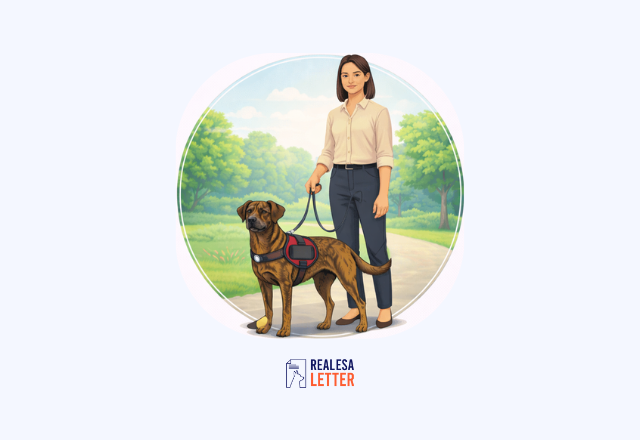
Yes, a Plott Hound can legally qualify as a service dog, but in practice, most are not ideal candidates for service work. While the Americans with Disabilities Act (ADA) does not restrict service dog status by breed, qualification depends on temperament, trainability, and the dog’s ability to perform specific disability-related tasks reliably in public settings.
Plott Hounds are intelligent, loyal, and highly driven working dogs originally bred for big-game hunting. However, their strong prey drive, independence, and high energy levels can create challenges in structured service roles that require calm focus and consistent public behavior.
In this guide, we’ll break down what it takes for a Plott Hound to qualify as a service dog, what traits help or hurt their success, and when another breed may be a better fit.
Understanding the Plott Hound: Origins and History
The Plott Hound holds a special place in American canine history. This breed began its journey in 1750 when Johannes Georg Plott immigrated from Germany to North Carolina. He brought five Hanoverian Hounds, powerful scent dogs bred for tracking wild boar.
The Plott family refined these dogs for generations. They developed a breed perfectly suited for hunting bears and wild boar in the rugged Smoky Mountains. Unlike other American coonhounds, Plott Hounds have no English Foxhound ancestry. This makes them truly unique among American hunting breeds.
For over seven generations, the Plott family carefully maintained these dogs. Their breeding focused on stamina, courage, and exceptional tracking abilities. Today, the Plott Hound remains primarily a working hunting dog, though some have entered other fields.
Physical Characteristics of the Plott Hound
Plott Hounds are medium-sized dogs with athletic builds. Males typically stand 20 to 25 inches tall at the shoulder. Females measure slightly smaller at 20 to 23 inches.
Weight ranges from 40 to 60 pounds for males and 40 to 55 pounds for females. Their bodies are muscular yet streamlined, built for endurance rather than bulk. This size falls within the suitable range for many service dog tasks.
The breed's coat is short and glossy, requiring minimal grooming. Most Plott Hounds display beautiful brindle patterns in various shades. Colors range from yellow and red to chocolate, blue, and black brindle. Some dogs have solid black coats or rare buckskin coloring.
Their physical health is generally strong. The breed has a lifespan of 12 to 14 years with proper care. This longevity can benefit handlers seeking long-term service dog partnerships.
Plott Hound Temperament Traits
The Plott Hound temperament presents the biggest hurdle for service dog work. These dogs were bred for specific hunting purposes, and those instincts run deep.
Independence and Stubbornness
Plott Hounds are legendarily independent thinkers. When hunting, they needed to make quick decisions without human guidance. This independence translates to stubbornness in training situations.
Service dogs must respond reliably to commands, even in distracting environments. A Plott's independent streak can interfere with this critical requirement. They often prefer doing things their own way.
High Prey Drive
The breed possesses an exceptionally strong prey drive. Their entire genetic history revolves around tracking and pursuing prey. This instinct doesn't simply disappear through training.
In public spaces, service dogs encounter squirrels, birds, and other animals. A Plott Hound's natural urge to chase can override training. This creates safety concerns for handlers who depend on their dogs.
Vocal Nature
Plott Hounds have a distinctive "chop" or baying bark. This loud, ringing vocalization helped hunters locate their dogs on the trail. While useful in forests, it becomes problematic in public spaces.
Service dogs must remain quiet in stores, restaurants, and other facilities. A Plott's tendency toward vocalization conflicts with these behavioral requirements.
Wariness of Strangers
These dogs can be aloof or wary around unfamiliar people. Without extensive socialization, some Plotts display aggression toward strangers. This trait directly contradicts service dog temperament requirements.
Service dogs must remain calm when approached by the public. They need to tolerate being touched or addressed by strangers without reacting negatively.
Plott Hounds Service Dog Requirements: What's Needed
Understanding service dog requirements helps clarify why Plott Hounds face challenges. The Americans with Disabilities Act defines service dogs as individually trained to perform specific tasks. These dogs must assist people with disabilities.
Temperament Requirements
Service dogs need calm, focused temperaments. They must remain non-reactive in busy environments. Ideal candidates are friendly, patient, and eager to please.
Dogs that are easily distracted, aggressive, or uncomfortable with strangers rarely succeed. These temperament issues often lead to "career changes" during training.
Training Demands
Basic obedience forms the foundation. Service dogs must master sit, stay, come, heel, and down commands. They need to respond immediately, even with significant distractions present.
Task-specific training follows basic obedience. This specialized training addresses the handler's specific disability needs. Training timelines typically span 18 to 24 months.
Public access training is crucial. Service dogs must navigate restaurants, stores, transportation, and crowds. They remain focused on their handlers while ignoring food, other animals, and people.
Focus and Attention
Service dogs maintain constant awareness of their handlers. They ignore environmental distractions to perform their duties. This level of focus requires natural temperament traits that Plott Hounds often lack.
Understanding Psychiatric Service Dogs and Plott Hound Nature
For individuals with mental health conditions, psychiatric service dogs provide crucial support. These dogs perform specific tasks related to psychiatric disabilities including PTSD, anxiety, and depression.
Unlike emotional support animals, psychiatric service dogs undergo extensive training. They must perform tasks like interrupting panic attacks or providing grounding during dissociative episodes. The Plott Hound's independent nature and high prey drive make these roles particularly challenging.
Understanding the difference between psychiatric service dogs and ESAs helps handlers make informed decisions. While a Plott might struggle as a psychiatric service dog, they could potentially qualify as emotional support animals. Beyond training and temperament, handlers should also understand the legal rules that apply to psychiatric service dogs in public
Legal Rights and Considerations
Under the ADA, service dogs must be trained to perform specific disability-related tasks. No breed is legally prohibited from service work. However, individual dogs must meet behavioral standards.
Business owners can remove service dogs that are out of control. They can also refuse dogs that pose direct threats. A Plott Hound struggling with public access training could face these situations.
Proper training and temperament assessment are crucial before attempting public access. Handlers should honestly evaluate whether their Plott can meet service dog standards.
Plott Hounds as Emotional Support Animals (ESA Alternative)
If a Plott Hound cannot meet service dog requirements, emotional support animal status offers alternatives. ESAs provide comfort through companionship rather than performing specific trained tasks.
The loyal, affectionate nature of Plott Hounds can benefit handlers with mental health conditions. Their strong bonds with family members create meaningful emotional connections. However, ESAs don't receive public access rights like service dogs.
To qualify for an ESA, individuals need documentation from licensed mental health professionals. Who can write an ESA letter include psychologists, therapists, and psychiatrists who have established therapeutic relationships with patients.
Can Plott Hounds Qualify for Specific Service Roles?
While traditional service work poses challenges, certain specialized roles might suit exceptional Plott Hounds. Success depends on individual temperament and extensive training commitment.
Search and Rescue Work
The Plott Hound's exceptional scenting ability makes search and rescue a potential fit. Their stamina and determination serve well in outdoor tracking environments. This work doesn't require the same public access skills as other service roles.
Some Plott Hounds work with law enforcement for tracking. Their natural abilities shine in these specialized applications. However, this differs from traditional disability service work.
Medical Alert Dogs
A few Plott Hounds might succeed as medical alert dogs. Their keen senses could detect changes in blood sugar or approaching seizures. This role requires less public interaction than guide dogs or mobility assistance.
Success requires a calmer-than-average Plott with excellent focus. The dog must alert reliably without being distracted by environmental stimuli. Most Plotts struggle with this level of consistent attention.
Therapeutic Companion Roles
For handlers with more controlled environments, therapeutic companionship is possible. A well-socialized Plott can provide emotional support through loyalty and affection. This works best in familiar settings rather than diverse public spaces.
However, emotional support animals differ from service dogs legally. They don't receive the same public access rights under federal law.
Alternative Roles for Plott Hound Service Dog
While service dog work may not suit most Plotts, these dogs excel in other capacities. Understanding their strengths helps match them with appropriate roles.
Hunting Companions: Plott Hounds remain exceptional hunting dogs. They excel at tracking bears, boar, and raccoons. Hunters appreciate their stamina, courage, and determination.
This remains the breed's primary purpose. Plotts thrive when allowed to use their natural abilities.
Active Family Companions: For active families, Plott Hounds make wonderful pets. They bond strongly with family members and protect their homes. Proper service dog training and exercise create fulfilling partnerships.
Families with outdoor lifestyles particularly appreciate this breed. Hiking, camping, and adventure activities suit Plotts perfectly.
Competitive Sports: Some Plott Hounds enjoy dog sports. Scent work competitions leverage their natural abilities. Agility and tracking trials provide mental and physical challenges.
These activities channel the breed's energy positively. They strengthen the human-dog bond through shared activities.
Training Challenges Specific to Plott Hounds
Training a Plott Hound for service work requires understanding breed-specific obstacles. These challenges often prove insurmountable despite dedicated effort.
Managing Distraction
Scent-driven dogs struggle to ignore interesting smells. In public spaces, food odors, animal scents, and other stimuli constantly compete for attention. Overcoming this natural drive demands exceptional training consistency.
Most Plott Hounds cannot reliably maintain focus in highly stimulating environments. Their hunting instincts override training more easily than in traditional service dog breeds.
Addressing Stubbornness
Positive reinforcement works best with Plott Hounds. Harsh corrections increase stubbornness and damage the handler-dog relationship. However, even positive methods face limitations.
These dogs need clear leadership and consistent boundaries. Trainers must be experienced and patient. First-time dog owners typically struggle with Plott training challenges.
Early Socialization Needs
Extensive early socialization is absolutely critical. Plott puppies need exposure to diverse people, places, and situations. Without this foundation, wariness and potential aggression develop.
Even with proper socialization, some Plotts remain uncomfortable in crowded public spaces. This discomfort creates stress that compromises their ability to work reliably.
Health Considerations for Plott Hound Service Dog Work
Plott Hounds are generally healthy dog breeds, but potential issues deserve consideration. Service dogs need excellent physical health to perform their duties reliably.
Hip Dysplasia
Like many medium to large breeds, Plott Hounds can develop hip dysplasia. This genetic condition affects joint development and may lead to arthritis. Regular veterinary screening helps identify issues early.
Service dogs performing mobility tasks face increased stress on joints. Hip problems could limit a Plott's working lifespan.
Gastric Dilatation-Volvulus (Bloat)
The breed's deep chest increases bloat risk. This life-threatening condition requires immediate medical intervention. Service dog handlers must recognize symptoms quickly.
Feeding smaller, more frequent meals helps reduce risk. Avoiding exercise immediately after eating also helps prevent bloat.
Ear Infections
Plott Hounds' floppy ears can trap moisture and debris. Regular ear cleaning prevents infections. Service dogs need consistent health maintenance to avoid missing work due to illness.
Exercise and Mental Stimulation Requirements
Plott Hounds demand substantial daily exercise. They need one to two hours of vigorous activity daily. This high energy level impacts their suitability for some handlers.
Physical Activity Needs
These athletic dogs thrive on running, hiking, and active play. They were bred to cover rough mountain terrain for hours. Insufficient exercise leads to destructive behaviors and difficulty focusing.
Some disabled handlers cannot provide this activity level. This mismatch makes Plott Hounds unsuitable for many people needing service dogs.
Mental Engagement
Beyond physical exercise, Plotts need mental stimulation. Puzzle toys, scent games, and varied training keep their minds engaged. Boredom quickly leads to problem behaviors.
Service dog work provides some mental stimulation. However, Plotts often require additional enrichment beyond their working duties.
Grooming and Maintenance Needs for Service Work
Plott Hounds are considered a low-maintenance breed when it comes to grooming. Their short, smooth coat is easy to care for and doesn’t require frequent trimming or professional grooming.
Skin Care
Plott Hounds generally do not need specialized skin care. A basic bathing routine, typically every few weeks or as needed, helps maintain healthy skin and removes dirt from their active outdoor lifestyle. Avoid overbathing, as it can dry out their skin.
Coat Care
The Plott’s short coat requires minimal upkeep. Weekly brushing with a soft-bristle brush or grooming mitt helps remove loose hair, reduce shedding, and keep the coat looking glossy. Because Plotts are active, outdoor-oriented dogs, it’s also important to discuss flea and tick prevention with your veterinarian, especially during warmer months. A quick inspection after hikes or outdoor play can help catch pests early.
Eye Care
Plott Hounds do not typically require special eye care. However, gently wiping around the eyes with a soft, damp cloth can help remove normal tear buildup and keep the area clean.
Ear Care
Due to their drop ears, Plott Hounds can be more prone to ear infections. Regular ear checks are essential, particularly if your dog swims or spends time outdoors. Clean their ears using a veterinarian-recommended ear-cleaning solution designed specifically for dogs to maintain proper pH balance and reduce moisture buildup.
Comparing Plott Hounds to Traditional Service Breeds
Understanding why certain breeds dominate service work illuminates the Plott Hound's limitations. Traditional service breeds share key characteristics that Plotts typically lack.
Golden Retrievers and Labrador Retrievers
These breeds consistently succeed as service dogs. They naturally focus on their handlers and eagerly please. Their friendly temperaments suit public access requirements perfectly.
Retrievers show lower prey drive than hunting hounds. They remain calm around distractions more easily. Their trainability and handler-focus outpace most Plott Hounds significantly.
German Shepherds
German Shepherds combine intelligence with strong work ethic. They bond deeply with handlers while maintaining appropriate public behavior. Their versatility suits various service roles.
While intelligent, Plott Hounds lack the same handler-focus and public temperament. Their independent hunting heritage creates fundamental differences.
Making an Informed Decision About a Plott Hound Service Dog
Choosing a service dog is a significant decision. Prospective handlers should carefully consider their needs and the dog's capabilities.
Assessing Individual Dogs: Some exceptional Plott Hounds might possess service dog potential. Individual temperament testing is essential. Professional trainers can evaluate specific dogs honestly.
Look for Plotts with unusually calm temperaments. Lower prey drive and higher handler-focus improve success chances. However, these traits remain rare in the breed.
Working with Professionals: Experienced service dog trainers understand breed characteristics. They can assess whether a specific Plott might succeed. Professional guidance saves time, money, and heartbreak.
Organizations specializing in service dogs typically avoid Plott Hounds. This preference reflects years of experience and success rates.
Alternative Breed Consideration: Most people needing service dogs benefit from choosing traditional service breeds. These dogs have generations of selective breeding for compatible temperaments.
Golden Retrievers, Labrador Retrievers, and Standard Poodles consistently succeed. Their natural characteristics align with service work requirements.
Practical Tips for Training a Plott Hound Service Dog
Training a Plott Hound service dog requires more than standard obedience work. This breed is intelligent, driven, and highly energetic, originally developed for hunting large game.
To succeed in service work, a Plott must learn to channel its strong instincts into calm, controlled task performance. Without structured guidance, their independence and prey drive can interfere with the focus required for public-access reliability.
Developing a well-balanced Plott Hound service dog starts with understanding the breed’s natural tendencies and shaping them through consistent, purpose-driven training.
With early socialization, daily mental engagement, and firm but positive leadership, some Plotts can develop the stability and responsiveness needed for service roles. The following strategies help lay the foundation for success.
Start Training Early and Stay Consistent
Early training is critical when preparing a Plott Hound for service work. Establish clear routines and consistent commands from puppyhood. Positive reinforcement, using rewards, praise, and structured play, produces better results than correction-based methods. Service dogs must perform tasks reliably, and consistency builds that dependability.
Prioritize Early Socialization
A service dog must remain calm in busy public environments. Because Plott Hounds are naturally alert and scent-driven, they need extensive exposure to different people, animals, sounds, and settings at an early age. Proper socialization reduces reactivity and builds the confidence required for public access work.
Channel Their Natural Instincts
Plott Hounds have strong tracking and prey instincts. For service work, these drives must be redirected into structured activities like scent detection tasks or focused obedience drills. Harnessing their natural abilities, rather than suppressing them, can improve engagement and responsiveness.
Set Clear Boundaries
Service dogs must demonstrate impeccable behavior. Establish firm household rules, consistent leash manners, and impulse control expectations early. Calm, confident leadership helps prevent dominant or stubborn tendencies from developing.
Provide the Right Environment
A Plott Hound in service training needs substantial daily exercise to remain mentally balanced. Without adequate physical outlets, excess energy can undermine task focus. While apartment living is possible, it requires a serious commitment to structured exercise and stimulation.
Build a Strong Working Bond
Successful service dogs share a deep working partnership with their handler. Regular training sessions, structured activities, and task practice strengthen communication and trust. For a Plott Hound service dog, this bond is essential in overcoming breed-specific challenges and maintaining reliability in public settings.
To wrap up, can a Plott Hound become a service dog? Technically, yes. Realistically, most Plotts face insurmountable challenges. Their independent nature, high prey drive, and vocal tendencies conflict with service dog requirements.
Exceptional individuals might succeed in specialized roles. Search and rescue work or medical alert duties could suit rare Plotts. However, traditional service work requiring extensive public access remains difficult.
This breed excels as a hunting dog and active companion. Choosing roles that honor their natural abilities creates the most fulfilling partnerships. Handlers needing service dogs should typically consider breeds with proven track records.
Understanding breed characteristics helps create realistic expectations. Plott Hounds are remarkable dogs in their own right. They simply aren't naturally suited for most service dog roles.
Connect with RealESALetter for Your Support Animal Needs
If you're exploring options for emotional support animals or need documentation for housing, RealESALetter can help. While Plott Hounds may not suit traditional service work, they might qualify as emotional support animals for the right situations.
Our licensed mental health professionals can evaluate your eligibility for a PSD letter when appropriate. We understand Fair Housing Act protections and help ensure your documentation meets legal requirements.
Visit RealESALetter.com to learn more about obtaining proper ESA letters for dog. We provide legitimate documentation that stands up to landlord scrutiny while respecting the therapeutic relationship between you and your mental health provider.

WRITTEN BY
Dr. Avery Langston
Dr. Avery Langston is a licensed clinical therapist with more than 12 years of professional experience in emotional support animal (ESA) assessments, mental health counseling, and evidence-based therapeutic interventions. With a strong foundation in clinical psychology and a passion for mental-health education, Avery has guided thousands of individuals through the ESA qualification process while promoting emotional healing and stability. As a senior content contributor for RealESALetter.com, Avery focuses on writing accurate, accessible, and legally informed articles on ESA rights, housing protections, and mental wellness. Her mission is to help readers understand their ESA benefits clearly and confidently, backed by real clinical expertise.
Share this Article