

Lactulose is typically given to cats orally as a liquid syrup (about 2–3 mL per cat every 8–12 hours) or as crystal granules (¼–½ teaspoon mixed with food), depending on your veterinarian’s instructions. The goal is usually to produce two to three soft stools per day. Dosage adjustments are often made based on stool consistency and your cat’s underlying medical condition.
If your cat has been prescribed lactulose by a veterinarian, you may be wondering how to use it properly, how much to give, and what side effects to watch for. Lactulose is one of the most commonly prescribed medications veterinarians use to treat constipation in cats and a serious liver-related condition called hepatic encephalopathy.
Although the medication was originally developed for human use, veterinarians commonly prescribe it off-label for animals, including cats, dogs, birds, and reptiles, when the benefits outweigh the risks.
Lactulose works by drawing water into the intestines, softening stool and making bowel movements easier to pass. In cases of hepatic encephalopathy, it also helps reduce the buildup of harmful toxins in the bloodstream that can affect brain function. When used correctly and under veterinary guidance, lactulose can be an effective and safe treatment that significantly improves your cat’s comfort and digestive health.
Let’s take a closer look at how lactulose works, when it is prescribed for cats, and how to use it safely at home.
What Is Lactulose and Why Is It Prescribed for Cats?
Lactulose is a synthetic, non-absorbable disaccharide, which means it is an artificially produced sugar made by combining two natural sugars: galactose (derived from lactose, the sugar in milk) and fructose (found in fruit). First developed in 1929 and approved by the FDA for human use in 1977, lactulose has since become a standard off-label treatment in veterinary medicine for feline patients.
Common brand names for lactulose include:
- Cephulac
- Kristalose
- Enulose
- Generlac
- Constulose
- Chronulac
- Constilac
Because no veterinary-specific FDA-approved formulation exists, lactulose prescribed for your cat will either come from a compounding pharmacy or be a human-labeled product obtained via your veterinarian's prescription.
Federal law restricts this drug to use by order of a licensed veterinarian, so it should not be purchased or administered without professional guidance. Knowing the cost of owning a cat ahead of time helps pet owners budget for prescription medications like lactulose throughout their cat's life
How Does Lactulose Work in Cats?
Understanding how lactulose works will help you use it correctly and recognize when it is doing its job.
When a cat swallows lactulose, the drug is not digested or absorbed in the stomach or small intestine. Instead, it passes through to the large intestine (colon) intact. Once there, normal colonic bacteria metabolize the lactulose, producing a combination of organic acids, primarily lactic acid, along with acetic acid and formic acid.
These acids serve two important functions:
- Osmotic Laxative Effect: The acids increase the osmotic pressure inside the colon, pulling water from surrounding tissues into the bowel. This water softens fecal matter and increases its volume, making it considerably easier for your cat to pass a stool.
- Ammonia Reduction Effect: The acid environment created in the colon causes ammonia in the bloodstream to migrate toward the colon. The ammonia then converts to ammonium ions, which are poorly absorbed and get expelled with the stool. This function is critical in managing hepatic encephalopathy, where excess ammonia builds up in the blood and can affect the brain.
Because lactulose functions as a prebiotic as well, it promotes beneficial bacteria in the gut, which can have additional digestive health benefits over time.
What Conditions Is Lactulose Used to Treat in Cats?
Lactulose is primarily prescribed in feline medicine to address two distinct but equally serious conditions: chronic constipation and hepatic encephalopathy.
While these conditions affect entirely different systems in the body, one targeting the colon and the other the liver and brain, lactulose is uniquely positioned to treat both because of the dual mechanism through which it works. This versatility makes it one of the more valuable tools available to veterinarians managing long-term feline health.
It is worth noting that lactulose does not cure the underlying conditions it is used to treat. Instead, it manages symptoms and prevents complications from escalating.
A cat with megacolon will still have a compromised colon even after months of lactulose therapy, and a cat with hepatic encephalopathy will still carry the liver defect responsible for excess ammonia.
What lactulose does is keep those conditions stable and your cat comfortable, which is why veterinary oversight, correct dosing, and consistent administration are so critical to getting the best possible outcome.
- Feline Constipation
Constipation is among the most common digestive problems in cats, particularly in middle-aged and older males. A constipated cat strains in the litter box, produces dry or hard stools, or may go days without a bowel movement. Severe constipation can cause vomiting, loss of appetite, and lethargy.
Underlying causes of constipation in cats include:
- Dehydration
- Low-fiber or all-dry-food diets
- Obesity
- Kidney disease
- Neurological problems
- Hairballs
- Pelvic injuries or abnormalities
- Pain that discourages defecation
Lactulose softens the stool by drawing water into the colon, making it one of the most effective first-line treatments for uncomplicated feline constipation. Because it addresses the stool directly regardless of the underlying cause, it can provide significant relief while the root issue is simultaneously investigated and treated.
Many cat owners also ask about how long cats live and what health conditions become more common with age. Constipation and related conditions like megacolon are far more prevalent in senior cats, making early awareness of treatments like lactulose especially valuable.
- Megacolon in Cats
One of the most important uses of lactulose for cats is in managing feline megacolon, a condition in which the colon becomes massively dilated and loses its ability to contract and move stool forward. Cats with megacolon accumulate large volumes of fecal matter in the colon.
The colon stretches beyond its normal capacity and becomes unable to function correctly, leading to severe chronic constipation and obstipation (complete inability to pass stool).
According to the Merck Veterinary Manual, once the colon has become stretched and hypomotile, it rarely fully recovers. For this reason, cats with megacolon frequently need lifelong lactulose therapy to maintain a regular, soft bowel habit. Lactulose is especially valuable in these cases because it does not rely on colonic muscle contractions to work; it produces its laxative effect through osmotic water movement, which remains functional even in a poorly contracting colon.
- Hepatic Encephalopathy
Hepatic encephalopathy is a serious neurological condition that arises secondary to liver disease. When the liver is damaged or bypassed due to conditions like portosystemic shunts (abnormal blood vessel connections), acute liver failure, or severe cirrhosis, it cannot efficiently remove ammonia from the bloodstream.
Ammonia is a byproduct of protein breakdown and, when it accumulates to toxic levels in the blood, it crosses into the brain and causes neurological dysfunction.
Symptoms of hepatic encephalopathy in cats include:
- Seizures
- Behavioral changes and confusion
- Circling or head pressing
- Blindness
- Vomiting
- Changes in urine output or color
- Lethargy and weakness
Lactulose addresses hepatic encephalopathy by reducing the amount of ammonia absorbed from the gut, effectively lowering blood ammonia levels. Treatment with lactulose often produces noticeable neurological improvement.
Because hepatic encephalopathy is typically caused by a permanent or chronic liver defect, many cats require lifelong lactulose therapy to manage their neurological symptoms.
Lactulose for Cats: Dosage Guidelines
Important: All lactulose dosing should be determined by your veterinarian. The doses below reflect widely published veterinary guidelines and are intended for informational purposes only. Never self-prescribe or adjust doses without veterinary supervision.
Standard Dosage for Constipation
For most cats being treated for constipation, the typical oral dose of lactulose liquid solution is 2 to 3 mL per cat, given every 8 to 12 hours. Some dosing references note 0.5 mL per kg of body weight every 8 to 12 hours, or approximately 1 mL per 10 pounds of body weight, administered two to three times daily.
Many veterinarians begin conservatively at 1 mL/kg per day divided into two doses and increase gradually based on stool response over 24 to 48 hours. The goal is to produce 2 to 3 soft stools per day without triggering diarrhea. Dose adjustments are made based on stool consistency. If stools become too loose or diarrhea develops, the dose should be reduced.
Dosage for Hepatic Encephalopathy
When lactulose is used for hepatic encephalopathy in cats, a typical starting point is 0.25 to 1 mL per cat, administered three times daily initially, then adjusted based on stool output.
Once a dose that manages neurological symptoms without causing excessive loose stools is identified, it is generally maintained. Staying closely in touch with your vet is critical during this phase.
For severe, acute cases of hepatic encephalopathy in a hospitalized setting, veterinarians may administer lactulose as a retention enema (5 to 10 mL per cat, diluted 1 part lactulose to 3 parts water) to rapidly reduce blood ammonia levels.
Dosage for Crystal/Granule Form
If your cat refuses liquid lactulose, the crystal form is an alternative. One gram of lactulose crystals is equivalent to 1.5 mL of the liquid solution. The standard dose in crystal form is approximately 1/4 to 1/2 teaspoon (roughly 1 to 2.5 mL equivalent) twice daily, mixed into wet food. The key is ensuring your cat consumes the entire dose with the food.
How to Give Lactulose to Your Cat: Step-by-Step Administration Tips
Giving lactulose to cats can be challenging because most cats strongly dislike its taste. Here is how to make administration as smooth as possible:
Using the Liquid Form:
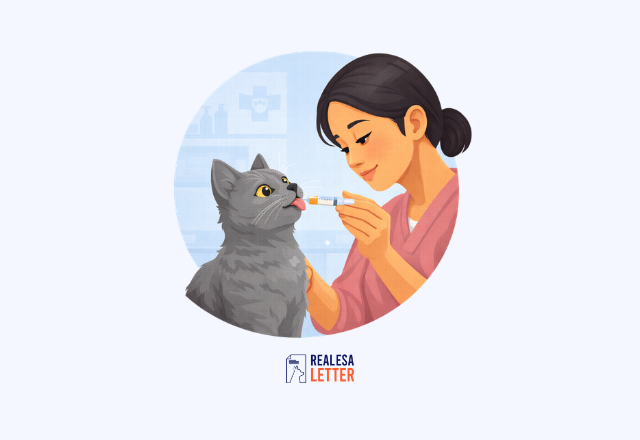
- Measure the prescribed dose carefully using a calibrated oral syringe, not a household spoon.
- Draw the liquid into the syringe before approaching your cat.
- Gently hold your cat's head and tilt it slightly back.
- Insert the tip of the syringe into the side of the cat's mouth, between the cheek and teeth.
- Administer the liquid slowly to avoid choking or excessive drooling.
- Offer a small treat or food reward immediately afterward to reduce stress.
- Wash your hands thoroughly after giving the medication.
- If the liquid spills on your cat's fur, wipe it away with a damp cloth immediately to prevent matting. Lactulose syrup is very sticky.
Using the Crystal Form:
- Sprinkle the prescribed amount of crystals directly onto your cat's wet food.
- Mix lightly to distribute the crystals through the food.
- Ensure your cat eats the entire portion so the full dose is ingested.
Pro Tips:
- Ask your veterinarian if a flavored compounded version is available. Flavoring can significantly improve acceptance.
- Never mix lactulose into dry kibble, as the dose will not be consumed accurately.
- Always ensure your cat has constant access to fresh water while on lactulose. Hydration is essential to avoid dehydration from the laxative effect.
- Store lactulose at room temperature (between 68 and 77 degrees Fahrenheit), away from heat and light. Do not freeze it. The liquid may show crystal precipitation over time; gentle reheating and remixing restores the solution and does not affect potency.
Learning how to bathe a cat properly is also helpful when lactulose spills on your cat's coat during administration, since the sticky syrup can cause matting if not removed promptly.
How Long Does Lactulose Take to Work in Cats?
Lactulose must travel through the stomach and small intestine before reaching the colon where it becomes active. Pet owners can generally expect the medication to take effect within 1 to 2 days of starting treatment, with noticeable improvements in stool quality and frequency following shortly after.
For constipation specifically, a bowel movement should typically occur within 12 to 24 hours of the first dose. If your cat has not produced a stool within 24 hours, especially if they appear uncomfortable, are not eating, or are vomiting, contact your veterinarian promptly for further evaluation.
Side Effects of Lactulose in Cats
Lactulose is generally well tolerated, but side effects can occur, particularly when therapy is first started or if the dose is too high.
Common Side Effects:
- Diarrhea (the most frequent side effect, especially with excessive dosing)
- Excessive gas and flatulence
- Abdominal bloating or distension
- Stomach cramping
Many of these gastrointestinal side effects are more pronounced in the first days of therapy and typically improve as your cat adjusts to the medication. Because lactulose is fermented by bacteria in the colon, increased gas production is expected during the early phases of use.
Serious Side Effects (Requiring Veterinary Attention):
- Persistent diarrhea leading to dehydration
- Electrolyte imbalances (particularly low potassium or high sodium), which can occur with long-term or high-dose use
- Blood glucose spikes in diabetic cats (lactulose is a concentrated sugar)
- Worsening neurological signs in cats on lactulose for hepatic encephalopathy
If your cat shows signs of severe dehydration, weakness, or worsening symptoms, contact your veterinarian immediately. The ASPCA Animal Poison Control Center (888-426-4435) and the Pet Poison Helpline (855-764-7661) are available around the clock if you suspect an overdose.
Lactulose for Cats: Long-Term Use and Considerations
Many cats, particularly those with megacolon or hepatic encephalopathy, require ongoing, possibly lifelong, lactulose therapy. Long-term use is generally safe when monitored appropriately by a veterinarian. Key points to keep in mind:
Blood Monitoring: For cats on long-term lactulose, periodic blood electrolyte panels are recommended to catch any imbalances before they become clinically significant.
Diabetic Cats: Because lactulose is essentially a sugar-based compound, diabetic cats face an elevated risk. Blood glucose levels must be monitored closely, and insulin doses may need adjustment when lactulose is added to the treatment plan.
Chronic Megacolon: Once a cat's colon has stretched significantly, it rarely returns to normal function. Lactulose at the lowest effective dose should be maintained daily to prevent recurrence of severe constipation and obstipation.
Hepatic Encephalopathy: The underlying liver defect in these cats is typically permanent. Daily lactulose helps control ammonia levels and neurological symptoms. If neurological signs worsen despite lactulose therapy, a veterinary reassessment is critical.
Cats managing chronic health conditions like megacolon or liver disease can also provide meaningful companionship and emotional support to their owners. If your cat qualifies as an emotional support cat, a legitimate ESA letter from a licensed mental health professional can help protect your housing rights under the Fair Housing Act.
Many pet owners are unsure how to get a legitimate ESA letter. Platforms like RealESALetter.com connect you with licensed mental health professionals who can evaluate your eligibility and issue valid documentation.
Contraindications and Drug Interactions
Lactulose should not be used in the following situations without explicit veterinary guidance:
- Cats with intestinal obstruction or obstipation (a complete fecal blockage)
- Cats with known allergies or hypersensitivity to lactulose
- Cats at risk of aspiration (for oral use; severely encephalopathic animals)
- Cats with pre-existing electrolyte imbalances (use with caution)
- Pregnant or nursing cats (discuss risks and benefits with your vet)
Drug Interactions to Discuss with Your Vet:
- Oral antacids may reduce lactulose's effectiveness by altering colonic pH
- Certain antibiotics such as neomycin and gentamicin can interact with lactulose
- Other laxatives should generally not be combined with lactulose
- Warfarin interactions have been noted; monitor clotting times if relevant
If your cat is also taking Benadryl for cats or any other medication, always give your veterinarian and pharmacist a complete list of all supplements, herbal therapies, and medications your cat is currently receiving before starting lactulose.
When to Call Your Veterinarian
Contact your veterinarian if:
- Your cat has not produced a stool within 24 hours of starting lactulose
- Your cat develops persistent diarrhea or signs of dehydration (sunken eyes, dry gums, skin that does not spring back)
- Symptoms of hepatic encephalopathy worsen or fewer than 2 to 3 soft stools are produced per day during liver disease treatment
- Your cat shows signs of excessive gas, severe abdominal pain, or bloating
- You notice a blood glucose spike in a diabetic cat
- You have difficulty administering the medication
Never give your cat two doses at once if a dose is missed. Simply give the next dose as scheduled and return to the regular dosing routine.
Lactulose vs. MiraLax for Cats: What Is the Difference?
Pet owners sometimes ask whether lactulose and MiraLax (polyethylene glycol 3350) can be used interchangeably. Both are osmotic laxatives that draw water into the colon to soften stool, but they contain entirely different active ingredients and have different concentration profiles.
Lactulose also has the added ability to reduce blood ammonia, making it uniquely suitable for cats with liver disease. MiraLax does not have this ammonia-binding property. Your veterinarian will prescribe the most appropriate option based on your cat's specific diagnosis.
Prevention and Supportive Care
While lactulose manages symptoms effectively, addressing the underlying causes of constipation can reduce dependence on medication over time. Supportive strategies include:
- Switching from dry to wet (canned) food can dramatically increase daily fluid intake
- Adding water to canned food to create a more liquid consistency
- Encouraging water intake through cat water fountains
- Maintaining a healthy body weight through portion control
- Scheduling regular veterinary checkups to monitor colon health
- Discussing the use of prokinetic agents such as cisapride with your vet for cats with megacolon
Choosing the right breed can also play a role in long-term feline health. Some breeds are genetically predisposed to digestive sensitivities. A resource on hypoallergenic cats can help prospective owners make informed decisions about which cat may be a better fit for households dealing with chronic health management.
Additionally, the debate around indoor vs outdoor cats is relevant here, as indoor cats often have lower activity levels and less varied hydration habits, both of which are contributing factors to chronic constipation.
Key Takeaways
Lactulose for cats is a commonly prescribed off-label medication used to treat constipation and hepatic encephalopathy. It works by drawing water into the colon to soften stool and by trapping excess ammonia in the gut before it can reach the brain. Although it is not FDA-approved for veterinary use, veterinarians frequently prescribe it for conditions such as feline megacolon and liver-related neurological disorders.
For constipation, a typical starting dose is 2–3 mL of liquid lactulose every 8–12 hours, adjusted until the cat produces two to three soft stools per day. Some cats resist the sweet liquid, so crystal granules (¼–½ teaspoon mixed into food twice daily) may be used instead. The exact dose should always be determined by a veterinarian based on the cat’s condition and response.
Side effects are usually mild and digestive in nature, including diarrhea, gas, or bloating, which often improve as the cat adjusts. However, excessive dosing can cause dehydration and electrolyte imbalances, and diabetic cats may require extra monitoring since lactulose contains sugar.
Many cats remain on lactulose long term, especially those with megacolon or liver disease. Safe use depends on veterinary supervision, periodic health monitoring, and never adjusting the dose without professional guidance.
Frequently Asked Questions
How much lactulose do I give a cat?

The standard dose of liquid lactulose for cats is 2 to 3 mL per cat every 8 to 12 hours for constipation, or as specifically directed by your veterinarian. For crystal lactulose, the typical dose is 1/4 to 1/2 teaspoon twice daily mixed into wet food. Doses are always tailored to the individual cat and adjusted based on stool consistency to achieve 2 to 3 soft stools per day.
How long does lactulose take to work in cats?
Lactulose typically begins working within 1 to 2 days. For constipation specifically, most cats produce a bowel movement within 12 to 24 hours of the first dose.
The medication must first travel through the stomach and small intestine before reaching the colon where it becomes active, which accounts for the delay. If no stool appears within 24 hours, especially if your cat is vomiting or refusing food, contact your veterinarian promptly.
How do you give lactulose to a cat that refuses it?
Most cats strongly dislike the taste of liquid lactulose. Several approaches can help: use a calibrated oral syringe to deliver the dose slowly into the side of the mouth between the cheek and teeth, mix the liquid into a small amount of wet food and ensure the full portion is eaten, or ask your vet about switching to crystal granules sprinkled on food. Some compounding pharmacies also offer flavored formulations that cats tolerate better.
Can lactulose be mixed with cat food?
Yes. The crystal form of lactulose is specifically designed to be mixed directly into wet food. The liquid form can also be stirred into a small portion of canned food, provided your cat consumes the entire serving so the full dose is ingested. Lactulose should not be mixed into dry kibble, as dose accuracy cannot be guaranteed.
What are the side effects of lactulose in cats?
The most common side effects are diarrhea, excessive gas, abdominal bloating, and stomach cramping. These are typically more pronounced when therapy first begins and tend to improve as the cat adjusts to the medication.
More serious effects include dehydration from persistent diarrhea, electrolyte imbalances with long-term use, and blood glucose changes in diabetic cats. Contact your veterinarian if side effects do not resolve or worsen over time.
Is lactulose safe for cats long-term?
Yes, lactulose can be used long-term in cats when it is prescribed and monitored by a veterinarian. Cats diagnosed with megacolon or hepatic encephalopathy frequently require it for the rest of their lives.
Periodic blood electrolyte testing is recommended for cats on extended lactulose therapy, and diabetic cats require close blood glucose monitoring throughout treatment.
Can you overdose a cat on lactulose?
Yes, giving too much lactulose can cause diarrhea and dehydration, and in severe cases, dangerous electrolyte imbalances. Diarrhea and dehydration are the most common signs of an overdose.
If you believe your cat has received too much lactulose, contact your veterinarian immediately. The ASPCA Animal Poison Control Center (888-426-4435) and the Pet Poison Helpline (855-764-7661) are available around the clock.
Is lactulose the same as MiraLax for cats?
No. While both lactulose and MiraLax (polyethylene glycol 3350) are osmotic laxatives that draw water into the colon to soften stool, they contain entirely different active ingredients.
Lactulose has the additional ability to lower blood ammonia levels, making it the preferred choice for cats with hepatic encephalopathy. MiraLax does not provide this ammonia-binding function. Your veterinarian will determine which option is most appropriate based on your cat's diagnosis.

WRITTEN BY
Dr. Avery Langston
Dr. Avery Langston is a licensed clinical therapist with more than 12 years of professional experience in emotional support animal (ESA) assessments, mental health counseling, and evidence-based therapeutic interventions. With a strong foundation in clinical psychology and a passion for mental-health education, Avery has guided thousands of individuals through the ESA qualification process while promoting emotional healing and stability. As a senior content contributor for RealESALetter.com, Avery focuses on writing accurate, accessible, and legally informed articles on ESA rights, housing protections, and mental wellness. Her mission is to help readers understand their ESA benefits clearly and confidently, backed by real clinical expertise.

Share this Article