


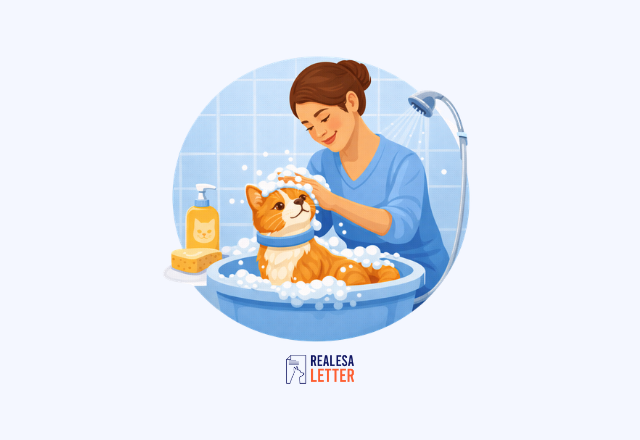
To bathe a cat, trim its nails, and brush its coat beforehand. Fill a sink or tub with 3 to 4 inches of lukewarm water (around 102°F), gently lower your cat in, wet the body while avoiding the face, apply a cat-safe shampoo, rinse thoroughly, and dry with a towel. Reward your cat with treats afterward to create a positive experience.
Searching “how do I bathe a cat?” often happens right after your cat rolls in something messy, motor oil, skunk spray, flea medication, or a litter box mishap. Whatever the reason, you’ve come to the right place.
Cats are naturally skilled groomers. Their rough tongues, teeth, and paws work together as a built-in cleaning system that keeps most cats tidy throughout their lives. However, there are times when this system isn’t enough, and knowing how to bathe a cat safely and calmly becomes an important skill for any cat owner.
This guide explains when bathing is necessary, what supplies you’ll need, and the safest step-by-step method for bathing your cat at home. You’ll also learn practical tips for handling cats that dislike water and special considerations for kittens, senior cats, and different breeds.
Do Cats Actually Need Baths?
The short answer is: not regularly. Most healthy adult cats handle their own hygiene without any human help. However, certain situations make a bath necessary or even urgent.
Your cat needs a bath when:
- They have come into contact with a toxic, sticky, or hazardous substance (paint, motor oil, antifreeze, gasoline, or tar)
- They were sprayed by a skunk
- They have a flea, tick, or lice infestation requiring medicated shampoo
- A veterinarian has prescribed a medicated bath for a skin condition like ringworm, seborrhea, or a yeast infection
- They are a hairless breed (like a Sphynx) that produces excess skin oil
- They are a long-haired breed that has developed mats their tongue cannot reach
- They are elderly, obese, or arthritic and cannot groom certain areas of their body
- A household member has cat allergies and regular bathing can help reduce dander levels
If your cat is a healthy indoor cat with a short coat and no skin conditions, you may genuinely never need to give them a full bath. Regular brushing and occasional spot-cleaning with pet-safe wipes may be all they require.
How Often Should You Bathe a Cat?
Bathing frequency depends on breed, coat type, lifestyle, and health status.
General guidelines by cat type:
- Short-haired indoor cats: Rarely, if ever. Spot cleaning with cat grooming wipes is usually sufficient.
- Long-haired breeds (Maine Coon, Persian, Ragdoll): Every 4 to 6 weeks to prevent matting and oil buildup.
- Hairless breeds (Sphynx, Donskoy): Weekly or biweekly to remove skin oil that accumulates without fur to absorb it.
- Outdoor cats: As needed based on what they encounter outside.
- Cats with skin conditions: Follow your veterinarian's specific recommendation, which may range from weekly medicated baths to every few months.
- Cats in allergy-affected households: Some owners bathe cats every 1 to 2 weeks to reduce airborne allergens. If pet allergies are a concern in your home, you may also want to explore hypoallergenic cats as an option.
Overbathing is a real concern. Washing a cat too often strips the natural oils from their coat and skin, leading to dryness, flaking, and irritation. When in doubt, consult your vet before establishing a bathing schedule.
What Supplies Do You Need to Bathe a Cat?
Gathering everything before you bring your cat into the room is one of the most important things you can do. A wet cat in your arms while you are searching for a towel is a recipe for scratches and escape.
Essential cat bathing supplies:
- Cat-specific shampoo (never use human shampoo, baby shampoo, or dog shampoo)
- Non-slip mat or folded towel for the bottom of the tub or sink
- Two or three large, dry towels
- A handheld sprayer, pitcher, or plastic cup for rinsing
- A damp washcloth for the face
- Cotton balls to gently place in ears (optional, to prevent water entry)
- Cat nail clippers
- A brush or wide-tooth comb
- Treats for positive reinforcement
- Optional: a grooming loop or harness to help restrain your cat safely
On shampoo selection: Only use shampoo formulated specifically for cats. Human products contain fragrances, sulfates, and pH levels that are inappropriate for feline skin and can cause serious irritation. Dog shampoos may also contain ingredients, such as certain essential oils like tea tree or eucalyptus, that are toxic to cats. If your cat has a skin condition, ask your vet for a medicated shampoo recommendation before proceeding. The ASPCA recommends diluting cat shampoo at a ratio of one part shampoo to five parts water and massaging it in the direction of hair growth for the best results.
Understanding the full cost of owning a cat helps you plan for regular grooming expenses, including quality cat shampoo, nail clippers, and professional grooming appointments when needed.
How Do I Bathe a Cat: Step-by-Step
Bathing a cat does not have to be a chaotic, scratch-filled ordeal. The owners who struggle most are usually those who skip preparation and rush the process. The ones who succeed treat it like a short procedure with a clear beginning, middle, and end.
Before you bring your cat anywhere near the water, it helps to understand what you are actually working against. Cats do not fear water the way many people assume. What they resist is the loss of control, the cold shock of unexpected wetness, the unfamiliar smell of shampoo, and the vulnerability of being restrained in an enclosed space. Every step in this guide is designed to reduce those triggers, one at a time.
A few things are true across every successful cat bath, regardless of breed, age, or temperament. The calmer you are, the calmer your cat will be. The more prepared your space is before your cat enters it, the shorter the bath will be.
And the shorter the bath, the better the outcome for both of you. Follow these ten steps in order and you will have the best possible chance of getting your cat clean without injury to either party.
Step 1: Prepare Your Cat (Days or Hours Before)
If possible, tire your cat out with an active play session before the bath. A calm, slightly tired cat is far easier to manage in water than one that is full of energy and alert to every movement. Schedule the bath after a meal, when your cat is naturally relaxed.
In the days leading up to the bath, gently introduce your cat to the bathing area without water. Let them stand in a dry sink or tub, offer treats, and walk away. Repeat this a few times so the location does not signal immediate alarm.
Step 2: Trim Nails and Brush the Coat
Trim your cat's nails at least 24 hours before bath time. This reduces the risk of injury to you and your cat during the bath. Follow nail trimming with a treat so the association stays positive. The same trimming principles used when you trim dog nails apply here: use sharp, purpose-built clippers and clip only the clear tip to avoid the quick.
Brush your cat's coat thoroughly before getting them wet. Water makes existing mats significantly worse, not easier to remove. Brushing out tangles beforehand protects the coat and makes the shampoo more effective.
Step 3: Set Up the Bath Area
Choose a warm, enclosed room. A bathroom with the door closed works well. Move breakable items away from counters, pull back curtains or shower liners, and ensure the room temperature is comfortable. Cats lose body heat quickly when wet, so a warm environment matters.
Place a non-slip mat or old folded towel at the bottom of the sink or tub. Cats feel insecure on slippery surfaces, and adding traction reduces panic before you even start the water.
Fill the sink or tub with 3 to 4 inches of lukewarm water, roughly 100 to 102 degrees Fahrenheit, which is close to a cat's normal body temperature. Fill it before bringing your cat in to avoid the sound of running water startling them.
Step 4: Gently Place Your Cat in the Water
Hold your cat securely, supporting their chest and hindquarters. With their back facing you, lower them slowly and calmly into the water. Keeping their back toward you puts more distance between you and their front claws.
Speak in a low, steady, reassuring tone throughout the bath. Cats are highly sensitive to their owner's emotional state. If you are tense and hurried, they will escalate. A calm demeanor is one of the most effective bathing tools available to you.
If your cat begins to panic, allow them to put their front paws on the edge of the sink. This gives them a sense of control and often calms the escape response.
Step 5: Wet the Body
Using a sprayer, pitcher, or cup, slowly pour lukewarm water over your cat's body, starting at the back of the neck and working toward the tail. Avoid the face, eyes, and ears entirely at this stage. Wet the fur thoroughly, working through the coat to reach the skin.
Step 6: Apply Cat Shampoo
Apply a small amount of cat shampoo to your hands first, then work it gently into your cat's coat from the neck down. Massage in the direction of hair growth using slow, confident strokes. Lather through the coat, reaching the belly and legs.
For a very dirty or greasy coat, a second lathering is often needed. Cats with flea infestations may require a medicated shampoo applied according to package directions.
Do not allow shampoo to enter your cat's eyes, ears, or mouth. If you are concerned about the eyes, a small amount of sterile ophthalmic lubricant (available at pet stores) can be applied beforehand to create a protective barrier.
Step 7: Rinse Thoroughly
This step is more important than people realize. Shampoo residue left on a cat's skin causes irritation, attracts dirt, and will be ingested when your cat grooms itself afterward.
Rinse with clean lukewarm water, working from neck to tail. Use a sprayer or cup to flush through the coat repeatedly until the water runs completely clear. Check armpits, belly folds, and between the legs, where shampoo tends to hide.
For heavily matted or long-haired cats, consider using two rinse basins, one for initial rinsing and one for the final clean rinse.
Step 8: Clean the Face Separately
Never pour water over your cat's face. Instead, take a warm, damp washcloth and gently wipe the face, moving outward from the nose. Be extremely careful around the eyes and ears, which are sensitive and can be easily injured.
To clean the outside of the ears, use a dry cotton ball. Never insert anything into the ear canal during a home bath.
Step 9: Dry Your Cat
Wrap your cat in a large, dry towel immediately after removing them from the water. Pat gently rather than rubbing, especially for long-haired breeds where rubbing creates tangles.
For cats with long fur, wrapping them snugly in a towel for a few minutes, like a burrito, helps absorb water before combing.
If your cat tolerates noise, a blow-dryer on the lowest heat setting can speed up drying. Keep it moving constantly and never hold it too close to the skin. Many cats are frightened by the sound, so monitor closely and stop immediately if they show signs of distress.
Keep your cat in a warm room until fully dry. A damp cat that is allowed to chill can develop respiratory discomfort.
Step 10: Reward and Reassure
The moment the bath is finished, offer a treat, favorite toy, or calm affection. This final step shapes your cat's memory of the experience. Consistent positive reinforcement over multiple baths builds tolerance and, in some cats, even a relaxed acceptance of the routine.
How to Bathe a Cat Without Getting Scratched
This is one of the most searched questions about cat bathing, and for good reason. Here are the most effective strategies:
- Trim nails beforehand. Even scratches from blunt nails are less likely to break skin and become infected.
- Use a grooming harness. A properly fitted harness (never just a collar) keeps your cat secured while freeing your hands. Some groomers use grooming loops attached to a stable fixture in the room.
- Keep their back toward you. This limits access to your hands and face.
- Bathe with a helper. One person holds, one person washes. This halves the difficulty significantly.
- Use a mesh laundry bag or grooming bag. Some groomers place cats in a mesh bag with the head outside. The cat can be shampooed through the mesh while their movement is restricted.
- Stay calm. A stressed owner creates a stressed cat. Your tone of voice and movement speed communicate more than you think.
- Stop if the cat becomes extremely distressed. A traumatized cat is harder to bathe in the future. If a washcloth wipe-down or professional groomer is the safer option, take it.
How to Bathe a Kitten
Bathing a kitten follows the same steps but requires extra care. Kittens lose body heat faster than adult cats and are more easily overwhelmed.
Use only a small amount of warm water, keep the session very short, dry the kitten thoroughly and quickly, and wrap them in a warm towel immediately after. Avoid bathing kittens under 8 weeks of age. If a very young kitten needs cleaning due to a toxic substance, contact your veterinarian first.
Starting bath routines early in kittenhood is one of the best ways to raise a cat that tolerates grooming without a full-scale crisis as an adult.
Bathing Cats with Fleas: What You Need to Know
A flea bath for cats can kill adult fleas present on the body, but it is not a complete flea treatment on its own. Flea eggs, larvae, and pupae in your home environment will not be affected.
Use a shampoo specifically formulated to address fleas in cats. Follow up with a veterinarian-recommended flea prevention product after the bath. Treat your home, bedding, and furniture simultaneously for full eradication.
Never use dog flea shampoos or products containing permethrin on cats. Permethrin is highly toxic to cats and can be fatal. While researching flea control across species, it helps to know that flea treatments for dogs operate on entirely different active ingredients, and the two should never be interchanged.
Alternatives to a Full Bath
Not every situation requires a full immersion bath. Consider these options for lighter grooming needs:
- Cat grooming wipes: Pre-moistened, cat-safe wipes designed for quick cleanups between baths. Do not use near the eyes, ears, or face.
- Dry shampoo for cats: Powder or foam formulas that absorb oil and freshen the coat without water. Useful for cats who find water extremely stressful.
- Waterless shampoo: Applied to the coat, massaged in, and toweled off. Works for light cleaning without a full rinse.
- Professional grooming: If bathing at home consistently results in injury or extreme distress, a professional groomer with experience in cat handling is a worthwhile investment. The same patience-based principles that apply when learning how to groom a dog at home translate well to cats: gather supplies in advance, use appropriate tools, and keep sessions calm and short.
When to Ask Your Vet First
Before bathing your cat for a medical reason, always consult your veterinarian. This is especially true if your cat has a diagnosed skin condition, open wounds, post-surgical stitches, a compromised immune system, or is on medications that may interact with topical shampoos.
Cats with skin reactions or allergies may also need antihistamine support during treatment periods. If your vet has ever discussed antihistamine use for your pet, it is worth knowing that Benadryl for cats carries specific dosing and safety considerations that differ from human and canine use.
If your cat is an emotional support cat, their physical wellbeing is directly tied to their ability to provide comfort and support. Responsible ESA ownership includes keeping your animal clean, healthy, and comfortable.
For those wondering whether cats qualify for ESA status, RealESALetter.com offers helpful guidance on emotional support animals, including information on whether cats can qualify and how to get an ESA letter online through a licensed mental health professional.
Breed-Specific Bathing Notes
Sphynx and other hairless breeds: These cats need the most frequent bathing, often weekly, because their skin accumulates oils and debris that fur would normally absorb. Use a gentle, fragrance-free cat shampoo and dry thoroughly to prevent chilling.
Persian and Himalayan cats: Long coats tangle easily. Brush before and after the bath, and use a wide-tooth comb during drying to prevent post-bath matting.
Maine Coon: Their dense, water-resistant coat may require longer rinsing time to fully penetrate.
Bengal cats: Many Bengals enjoy water more than typical cats due to their wild ancestry. These cats often adapt to bathing routines more easily.
Senior cats: As cats age, they may need more frequent assistance with grooming because they cannot reach all areas of their body. If you have ever wondered how long cats live, knowing that many cats reach 15 or even 20 years underlines how important consistent grooming care becomes across a long life.
The Cornell Feline Health Center notes that gentle brushing and grooming assistance for older cats stimulates circulation and sebaceous gland secretions, helping restore luster to a coat that has become dull due to reduced self-grooming. Be gentle with older cats, especially around arthritic joints, and use only a few inches of water.
In final thoughts, knowing how to bathe a cat properly is about preparation, patience, and the right products. Most cats never need a full bath, but when they do, a calm, organized approach makes the difference between a manageable experience and a chaotic one for both of you.
Trim the nails first. Gather everything you need before you bring your cat into the room. Use only cat-safe products. Keep the water warm and shallow. Rinse completely. Dry thoroughly. Reward without exception.
If you are caring for an emotional support cat, grooming and physical health are part of responsible ESA ownership. A clean, comfortable cat is better able to provide the companionship and support that makes an ESA relationship meaningful.
Frequently Asked Questions
How do I bathe a cat that hates water?

Start by acclimating your cat to the bathing space gradually, without water, over several days. Use play and treats to build a positive association.
On bath day, tire them out first. Use the lowest possible water level, keep sessions short, speak calmly, and reward generously afterward. Consider waterless shampoo or grooming wipes as an alternative if a full bath continues to cause significant distress.
What can I use to wash my cat if I don't have cat shampoo?
Ideally, always use a shampoo formulated specifically for cats. In an emergency where your cat has contacted a dangerous substance, a very small amount of plain dish soap (fragrance-free) can be used once for rinsing off hazardous material. Do not use human shampoo, baby shampoo, dog shampoo, or products containing essential oils as a regular substitute.
How do I keep my cat calm during a bath?
Tire them out with play beforehand, keep the water level low, fill the tub before bringing your cat in, maintain a calm tone, move slowly and deliberately, and have all supplies within arm's reach so you never have to leave them unattended. A second person to help hold the cat makes a significant difference.
Is it cruel to bathe a cat?
No. Bathing a cat when there is a genuine need is not cruel. Forcing a cat through repeated unnecessary baths would be unkind, as cats generally do not enjoy water. The goal is to bathe only when necessary, to make the experience as calm and brief as possible, and to use reward-based reinforcement to reduce stress over time.
How do I dry my cat after a bath?
Wrap them immediately in a large dry towel and pat, not rub, the coat. For long-haired cats, wrap them snugly for a few minutes to absorb excess water before combing.
A pet blow-dryer or a standard dryer set to the lowest heat can be used if your cat tolerates the noise. Keep your cat in a warm room until fully dry to prevent chilling.
Can I bathe my cat with human shampoo?
No. Human shampoos have a different pH level than cat skin requires, and many contain fragrances, sulfates, and other additives that irritate or harm feline skin and coats. Always use a shampoo labeled safe for cats.
How often should I bathe my cat?
For most healthy indoor cats, bathing is rarely or never needed beyond occasional spot cleaning. Hairless breeds may need weekly baths, long-haired breeds every 4 to 6 weeks, and cats with skin conditions on a schedule determined by a veterinarian. Overbathing strips natural skin oils and should be avoided.
What water temperature is best for bathing a cat?
Lukewarm water at approximately 100 to 102 degrees Fahrenheit is ideal. This is close to a cat's normal body temperature, making it comfortable and less shocking. Avoid hot water, which can overheat cats, and cold water, which causes immediate distress.

WRITTEN BY
Dr. Avery Langston
Dr. Avery Langston is a licensed clinical therapist with more than 12 years of professional experience in emotional support animal (ESA) assessments, mental health counseling, and evidence-based therapeutic interventions. With a strong foundation in clinical psychology and a passion for mental-health education, Avery has guided thousands of individuals through the ESA qualification process while promoting emotional healing and stability. As a senior content contributor for RealESALetter.com, Avery focuses on writing accurate, accessible, and legally informed articles on ESA rights, housing protections, and mental wellness. Her mission is to help readers understand their ESA benefits clearly and confidently, backed by real clinical expertise.

Share this Article