


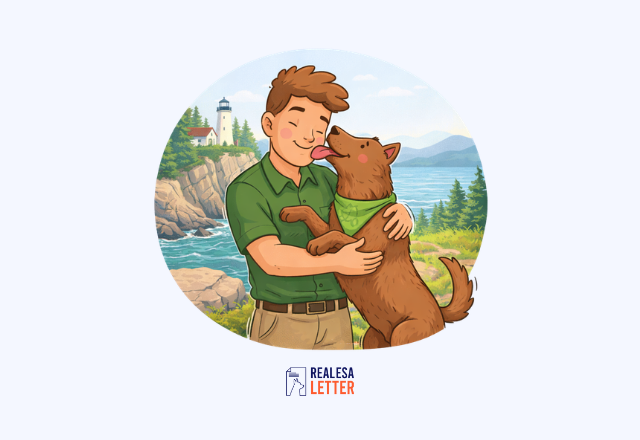
Yes, dogs are permitted throughout most of Acadia National Park under specific conditions.
Your dog can access approximately 100 miles of hiking trails and all 45 miles of historic carriage roads, provided they remain on a leash no longer than six feet at all times. This represents significantly more access than you'll find at most U.S. national parks.
Let’s explore why Acadia welcomes dogs, its policies, safety guidelines, and nearby pet-friendly services.
Why Acadia National Park Welcomes Dogs
Acadia National Park encompasses over 49,000 acres of dramatic coastline, granite peaks, and pristine wilderness across Mount Desert Island, Schoodic Peninsula, Isle au Haut, and surrounding islands.
The park's progressive pet policy reflects an understanding that outdoor experiences become even more meaningful when shared with our four-legged family members.
More than four million visitors explore Acadia annually, and many bring their dogs along for the adventure. The park maintains this pet-friendly status through clear regulations that protect both the natural environment and the experience of all visitors—with or without pets.
Complete Guide to Acadia's Dog Policies and Regulations
Acadia National Park is considered one of the most dog-friendly national parks in the United States, but visiting with your pet still requires careful planning. Understanding where dogs are permitted and where they are restricted can make the difference between a smooth adventure and unexpected limitations.
Regulations are designed to balance visitor enjoyment with wildlife preservation and ecosystem protection. Certain trails, beaches, and public buildings have additional rules that pet owners must be aware of before arriving.
Seasonal conditions, terrain type, and crowd levels can also affect how comfortable and safe the experience will be for dogs. Reviewing the park’s policies in advance ensures you and your pet can explore responsibly while respecting Acadia’s natural environment.
Universal Leash Requirements
Federal law mandates that all pets in national parks must be restrained on a leash no longer than six feet. This regulation serves multiple critical purposes in Acadia's unique environment.
Leashes protect your dog from becoming lost in unfamiliar wilderness, encountering porcupines (whose quills cause painful injuries requiring veterinary intervention), and potentially interacting with sick or rabid wildlife.
The six-foot maximum also helps safeguard park resources, including sensitive vegetation, nesting sites, and the diverse wildlife that calls Acadia home.
Even the most well-trained dogs can behave unpredictably in new environments filled with unfamiliar scents, sounds, and wildlife. The leash requirement isn't negotiable—rangers actively enforce this federal regulation to maintain Acadia's dog-friendly status.
Where Dogs Are Welcome in Acadia
Your leashed dog can accompany you to numerous locations throughout the park:
Hiking Trails: Dogs are permitted on approximately 100 miles of Acadia's trail system, giving you extensive options for exploring forests, mountains, and coastal landscapes together. Popular dog-friendly trails include Ocean Path Trail, Gorham Mountain Trail, Wonderland Trail, Jordan Pond Path, and the network of trails throughout the Schoodic Peninsula.
Carriage Roads: All 45 miles of Acadia's historic carriage roads welcome dogs. These scenic, gravel-surfaced roads wind through the heart of the park and offer relatively level terrain perfect for longer walks with your pet. Originally built by philanthropist John D. Rockefeller Jr., the carriage roads are closed to motor vehicles and provide peaceful corridors through the forest.
Campgrounds: Three of Acadia's four campgrounds allow dogs—Blackwoods Campground, Seawall Campground, and Schoodic Woods Campground. Duck Harbor Campground on Isle au Haut does not permit pets. Your dog must remain leashed and under control at all times while camping, and you're responsible for cleaning up after them.
Park Loop Road and Scenic Overlooks: Dogs can ride with you along the spectacular 27-mile Park Loop Road and exit the vehicle at scenic pullouts and overlooks. This includes Cadillac Summit Road leading to Cadillac Mountain's peak (vehicle reservations required during peak season). The Jordan Pond House lawn area also welcomes leashed dogs.
Island Explorer Shuttle: Well-behaved dogs on leashes or in carriers can ride the free Island Explorer shuttle buses that serve the park and surrounding communities. Dogs must remain on the floor, not on seats or laps.
Picnic Areas: Dogs are welcome at all developed picnic areas, including Fabbri, Seawall, and Frazer Point picnic grounds.
Restricted Areas for Dogs
Certain areas of Acadia prohibit dogs for safety reasons or to protect public water supplies:
Ladder and Rung Trails: Dogs cannot safely navigate trails featuring iron rungs, ladders, or steep rock scrambles. Prohibited trails include Precipice Trail, Beehive Trail, Ladder Trail to Dorr Mountain, Beech Cliffs Trail, Perpendicular Trail on Mansell Mountain, and Jordan Cliffs Trail. These challenging routes pose injury risks to both dogs and their handlers.
Public Water Supplies: Most lakes and ponds in Acadia serve as drinking water sources for local communities. Swimming is prohibited for both humans and dogs in these areas year-round. This includes the popular Jordan Pond, Eagle Lake, and numerous smaller bodies of water.
Wild Gardens of Acadia: This cultivated garden area near Sieur de Monts Nature Center does not allow pets to protect delicate plantings.
Seasonal Beach Access for Dogs
Acadia's beach policies for dogs vary by season to balance recreational use with environmental protection:
Sand Beach and Echo Lake Beach: During the summer season (May 15 through September 15), dogs are not permitted on Sand Beach or Echo Lake Beach. However, from September 16 through May 14, leashed dogs may access these beaches and can swim in the water.
The seasonal restriction protects nesting birds, prevents overcrowding during peak visitation, and maintains beach quality during the busiest months. Even when dogs are allowed, the six-foot leash requirement remains in effect—even while swimming.
Alternative Swimming Locations: Several coastal areas permit dogs year-round, including Hunter's Beach, Hadley Point Beach, Aunt Betty Pond, and Witch Hole Pond. These locations provide excellent alternatives for water-loving dogs during the summer months.
Waste Disposal Requirements
Pet owners bear complete responsibility for collecting and properly disposing of all pet waste. Public trash receptacles are strategically located throughout campgrounds, picnic areas, parking lots, and trailheads for this purpose.
Always carry waste bags when hiking or exploring with your dog. Despite common misconceptions, dog feces do not serve as natural fertilizer. Pet waste introduces harmful bacteria, parasites, and diseases that can contaminate water sources and spread to wildlife populations. Diseases like parvovirus, Giardia, and roundworms pose serious threats to Acadia's ecosystem.
Never throw waste bags into the woods, hang them from trees, or leave them on trails expecting to retrieve them later. Carry all waste bags off the trail and dispose of them in designated receptacles.
Never Leave Dogs Unattended
Federal regulations prohibit leaving pets unattended anywhere in the park, including in vehicles, tied to posts or trees, or alone at campsites. This rule protects your dog from numerous dangers and other visitors from potential incidents.
Vehicle temperatures can become lethal within minutes, even on mild days. On a 75-degree day, interior car temperatures can exceed 100 degrees within ten minutes. Even with windows cracked, vehicles become ovens that cause heatstroke, organ failure, and death.
Understanding Service Animals vs. Emotional Support Animals at Acadia
While federal law outlines access rights, visitors should also consider how Acadia’s terrain and environment may affect their animal’s comfort and safety. The park features rocky coastlines, steep elevation changes, crowded overlooks, and unpredictable coastal weather that can challenge both working service dogs and companion animals.
Handlers should evaluate whether difficult terrain, such as exposed cliff edges, uneven granite surfaces, or high-traffic summit areas, is appropriate for their animal’s physical condition and training level. Even legally permitted access does not always mean a route is practical or safe.
Advance planning is particularly important for visitors traveling with companion animals, as certain areas may have additional seasonal or environmental restrictions. Identifying appropriate trails, shaded rest stops, and reliable water sources beforehand can prevent disruptions during your visit.
Regardless of classification, all animals must remain under control at all times. Behavior that threatens wildlife, disturbs other visitors, or compromises park resources may result in removal under National Park Service regulations.
Service Animals Under the ADA
The Americans with Disabilities Act defines service animals as dogs individually trained to perform specific tasks for individuals with disabilities. Recognized disabilities include visual impairments, hearing loss, mobility limitations, diabetes, seizure disorders, and psychiatric conditions.
Service dogs receive specialized training to perform tasks such as guiding individuals who are blind, alerting deaf individuals to sounds, pulling wheelchairs, alerting to seizures, retrieving items, providing stability, or interrupting harmful behaviors related to psychiatric disabilities.
Service animals have full access rights throughout Acadia National Park, including areas restricted to regular pets. A service dog may accompany their handler anywhere the public can go, regardless of pet restrictions. The National Park Service policy aligns with the Department of Justice ADA standards.
Park staff can only ask two questions:
- Is the dog a service animal required because of a disability?
- What work or task has the dog been trained to perform?
Staff cannot require documentation, ask about the nature of the disability, or demand demonstration of the dog's training.
Psychiatric service dogs trained to assist individuals with conditions like PTSD, anxiety disorders, or depression also receive full access rights when they perform specific trained tasks.
Emotional Support Animals in National Parks
Emotional support animals provide therapeutic benefits through companionship and presence rather than trained task performance. While ESAs serve crucial roles in managing anxiety, depression, PTSD, and other mental health conditions, the ADA does not classify them as service animals.
This distinction means emotional support animals do not have guaranteed public access rights in national parks. At Acadia, ESAs are subject to the same restrictions as regular pets—they cannot access ladder trails, public water supply areas, or beaches during restricted seasons.
The Role of ESA Letters
An ESA letter from a licensed mental health professional documents your need for an emotional support animal. While this letter provides important protections for housing and certain other accommodations under the Fair Housing Act, it does not grant public access rights in national parks.
ESA letters remain valuable for housing situations, particularly when seeking accommodations in nearby Bar Harbor or other Maine communities with no-pet policies. Legitimate ESA letters must come from licensed mental health professionals who have established therapeutic relationships with their patients.
If you're wondering how to qualify for an emotional support animal, organizations like RealESALetter.com connect individuals with licensed therapists who can evaluate whether an emotional support animal would benefit their treatment plan and provide appropriate documentation for housing purposes. You can also review a sample ESA letter to understand what legitimate documentation looks like.
The BARK Ranger Program: Educational Fun for Dogs and Owners
Acadia offers a unique BARK Ranger program that teaches responsible pet ownership while exploring the park. The program emphasizes the Rules of B.A.R.K.:
- Bag your pet's waste and dispose of it properly
- Always leash your pet (six feet maximum)
- Respect wildlife by keeping pets at appropriate distances
- Know where pets can and cannot go in the park
Participating dogs can be sworn in as official BARK Rangers after completing the activity checklist. Owners become eligible to purchase commemorative collar tags at the Eastern National Bookstore in the Hulls Cove Visitor Center. This program helps reinforce the behaviors that keep Acadia accessible to dogs while protecting the park's resources.
Essential Safety Considerations for Dogs in Acadia
The following are the safety considerations for dogs:
Tick Prevention and Management
Ticks thrive in Acadia's environment, particularly from late spring through early fall. These parasites carry Lyme disease, anaplasmosis, and other serious illnesses affecting both dogs and humans.
Conduct thorough tick checks on yourself and your dog after every hike. Focus on warm, hidden areas including ears, armpits, groin, between toes, and around collars. The sooner you remove attached ticks, the lower the disease transmission risk.
Consider preventive measures including tick-repellent collars, sprays, and veterinary-prescribed medications. Review options for flea and tick treatment for dogs before your trip. Light-colored clothing on yourself makes ticks easier to spot. Walk in the center of trails away from tall vegetation where ticks wait to attach to passing hosts.
Wildlife Encounters
Acadia's wildlife includes deer, foxes, coyotes, seals, various bird species, and occasionally black bears. Your dog's presence can disturb wildlife behavior, particularly during nesting, feeding, and resting periods.
Maintain respectful distances from all wildlife. Never allow your dog to chase, bark at, or otherwise harass animals. The scent left by dogs signals predator presence, which can cause wildlife to abandon nests, alter feeding patterns, or fail to return to critical habitat areas.
Nesting loons and sea turtles are particularly vulnerable to disturbance. Give these protected species wide berth and keep dogs from approaching shoreline nesting sites.
Porcupine Dangers
Porcupines inhabit Acadia's forests and frequently encounter curious dogs. A porcupine encounter can embed hundreds of barbed quills in your dog's face, mouth, and paws, requiring immediate veterinary intervention and sometimes sedation for quill removal.
Keep your dog close on trails and immediately redirect attention if they show interest in unusual wildlife. Porcupines often forage at ground level or climb trees—both putting them at dog-nose height.
Physical Preparedness
Assess your dog's fitness level honestly before attempting challenging trails. Acadia's granite peaks and rocky terrain demand good paw pad condition, cardiovascular endurance, and joint health.
Start with shorter, easier trails if your dog isn't accustomed to strenuous hiking. Build up gradually to longer distances and steeper elevation gains. Bring adequate water for both you and your dog—dehydration affects dogs quickly, especially on hot days.
Check paw pads regularly during hikes for cuts, abrasions, or heat damage. Consider protective dog boots for sensitive paws or extended trail time on rough surfaces.
Dog-Friendly Accommodations and Services Near Acadia
Visiting Acadia National Park with your dog is easier when you plan beyond the park boundaries. The surrounding communities have embraced dog-friendly travel, offering accommodations, services, and amenities designed to support visitors traveling with pets.
From lodging and dining to pet care and supplies, the area provides practical options that help ensure a comfortable and stress-free trip for both you and your dog.
Bar Harbor's Pet-Friendly Culture
Bar Harbor, the gateway town to Acadia National Park, extends the same welcoming attitude toward dogs found in the park itself. Many restaurants offer outdoor seating areas where well-behaved dogs can join their owners. Shops frequently welcome leashed dogs, and the town's sidewalks and waterfront areas accommodate canine explorers.
Local pet supply stores carry essentials you might need including waste bags, treats, and first aid supplies. Several veterinary clinics serve the area if your dog needs medical attention during your visit.
Kennels and Pet Care
If you plan activities that prohibit dogs, kennels in Bar Harbor and Ellsworth provide temporary care. Research and book these services well in advance, especially during peak summer season when demand exceeds capacity.
Some kennels offer doggy daycare options where your pet can socialize and exercise while you tackle ladder trails or enjoy indoor attractions.
Pet-Friendly Lodging Options
Numerous accommodations around Mount Desert Island welcome dogs, though policies vary regarding size restrictions, additional fees, and number of pets allowed. Book early and confirm pet policies directly with properties, as rules change and occupancy limits apply.
Options range from dog-friendly vacation rentals to hotels and campgrounds, giving you flexibility based on your travel style and budget. If you have an emotional support animal, your ESA letter provides housing protections under the Fair Housing Act that may allow you to stay in accommodations that otherwise restrict pets.
Health and Mental Health Benefits of Hiking with Dogs
Exploring Acadia National Park with your dog offers more than scenic views. Hiking together supports both physical health and emotional wellbeing for dogs and their owners. Shared outdoor activity encourages movement, strengthens routines, and creates meaningful bonding experiences in a natural setting.
For many visitors, hiking with a dog adds structure and motivation to stay active while enjoying the park's diverse landscapes. The combination of fresh air, physical movement, and companionship contributes to long-term wellness benefits that extend beyond the trail.
Physical Activity Advantages
Research consistently demonstrates that dog ownership increases physical activity levels. A study published in the American Journal of Public Health found that dog owners are substantially more likely to meet recommended exercise guidelines compared to non-owners.
Hiking Acadia's trails with your dog provides cardiovascular benefits, strengthens muscles, improves balance, and enhances overall fitness. The natural terrain challenges your body differently than flat, paved surfaces, engaging stabilizing muscles and promoting functional strength.
Mental Health and Emotional Well-being
Beyond physical benefits, outdoor activities with dogs deliver significant mental health advantages. Time in nature reduces stress hormones, lowers blood pressure, and improves mood. The combination of exercise, natural settings, and canine companionship creates powerful therapeutic effects.
For individuals managing anxiety, depression, PTSD, or other mental health conditions, the presence of an emotional support animal amplifies these benefits. The unconditional companionship dogs provide, combined with the restorative effects of wilderness immersion, supports emotional regulation and psychological well-being.
Studies show that human-animal interactions trigger oxytocin release, the hormone associated with bonding, trust, and relaxation. This neurochemical response contributes to the therapeutic value that emotional support animals provide. Understanding the benefits of emotional support animals helps explain why so many people find comfort in traveling with their pets.
Alternative Off-Leash Options Near Acadia
While Acadia requires leashes at all times, nearby Little Long Pond offers off-leash opportunities under specific conditions. This 1,000-acre property, formerly owned by the Rockefeller family and now managed by the Land and Garden Preserve, allows dogs to roam freely during designated hours.
From October 1 through April 30, dogs can explore off-leash throughout the property. During the summer season (May 1 through September 30), off-leash hours are restricted to before 10:00 AM and after 4:00 PM. Dogs must be on leashes between 10:00 AM and 4:00 PM.
Little Long Pond features swimming opportunities, woodland trails, meadows, and sections of carriage roads where dogs can run, play, and socialize with other canines. The property provides a valuable complement to Acadia's leash-required areas.
Look for the distinctive gate at Bracy Cove between Seal Harbor and Northeast Harbor—there's no road sign marking the entrance. Observe posted guidelines for responsible dog ownership during your visit.
Planning Your Dog-Friendly Acadia Adventure
Best Times to Visit with Dogs: Early morning and late afternoon typically offer the most pleasant hiking conditions for dogs. Midday summer heat can overwhelm dogs quickly, particularly breeds with thick coats or short snouts prone to breathing difficulties.
Shoulder seasons—late spring and early fall—provide comfortable temperatures, fewer crowds, and extended beach access (Sand Beach and Echo Lake open to dogs September 16 through May 14).
Recommended Dog-Friendly Trails
Ocean Path Trail: This 2.2-mile trail follows the dramatic coastline from Sand Beach to Otter Point, offering relatively level terrain with spectacular ocean views. The path includes paved and gravel sections suitable for most fitness levels.
Wonderland Trail: Located on Acadia's quieter western side, this 1.4-mile round-trip trail leads through spruce-fir forests to a rocky shoreline. The easy terrain makes it ideal for less experienced hiking dogs.
Gorham Mountain Trail: A moderate 1.8-mile loop with some elevation gain rewards hikers and their dogs with panoramic mountain and ocean views. The trail includes interesting geological features without requiring technical skills.
Jordan Pond Path: This 3.3-mile loop circles the pristine Jordan Pond, offering views of the Bubbles mountains reflected in the water. The relatively level carriage road provides easy walking for dogs of varying abilities.
Carriage Road Networks: The extensive carriage road system allows you to customize distance and difficulty. These wide, gravel paths accommodate extended walks without technical challenges, perfect for older dogs or those building endurance.
What to Pack for Your Dog
Essential Items:
- Adequate water (dogs need approximately one ounce per pound of body weight daily, more during exercise)
- Collapsible water bowl
- Multiple waste bags
- Leash no longer than six feet (bring a backup)
- Current identification tags with your contact information
- Recent photo of your dog (in case of separation)
- Basic first aid supplies (bandages, tweezers for tick removal, antiseptic)
- Tick prevention products
- Dog-specific sun protection for light-colored or thin-coated breeds
- Paw protection boots for extended hikes on rough terrain
Helpful Additions:
- Treats for training and rewards
- Towel for post-swim cleanup
- Dog backpack (dogs can carry their own water and supplies)
- Portable dog bed or blanket for campsite comfort
- Dog car seat for safe vehicle travel
- Dog crate or carrier for shuttle rides and overnight stays
Before You Leave Home
Schedule a veterinary check-up before your trip to ensure your dog's vaccinations are current and they're healthy enough for increased activity. Verify that flea, tick, and heartworm preventives are up-to-date.
Practice leash skills if your dog isn't accustomed to staying at heel for extended periods. Work on recall commands, although remember that Acadia requires leashes at all times, regardless of training level.
Gradually increase your dog's hiking distances at home to build endurance before attempting Acadia's more challenging trails.
If you're planning to travel with your dog to Acadia by air, review airline policies carefully. While ESAs no longer have guaranteed flight access, most airlines accommodate pets in carriers for a fee.
In conclusion, Acadia National Park offers a rare opportunity to explore a national park with your dog while preserving its natural beauty. Dog-friendly trails, carriage roads, and outdoor spaces allow visitors to enjoy the park responsibly. By following leash rules, respecting wildlife, disposing of waste properly, and avoiding restricted areas, you help protect the park and ensure continued access for future visitors and their dogs.
Whether visiting with a family pet, a service animal, or considering the benefits of an emotional support animal, Acadia provides an environment that supports both physical activity and emotional well-being. With proper planning and respect for park guidelines, you and your dog can enjoy the coastal views, forest trails, and scenic landscapes that make Acadia one of America's most cherished national parks.
Frequently Asked Questions
Are any beaches in Acadia dog-friendly during summer?

Sand Beach and Echo Lake Beach prohibit dogs from May 15 through September 15. However, several coastal areas welcome dogs year-round including Hunter's Beach, Hadley Point Beach, Aunt Betty Pond, and Witch Hole Pond. Dogs must remain leashed even while swimming.
What trails are off-limits to dogs in Acadia?
Dogs cannot access trails with iron rungs, ladders, or steep rock scrambles including Precipice Trail, Beehive Trail, Ladder Trail to Dorr Mountain, Beech Cliffs Trail, Perpendicular Trail, and Jordan Cliffs Trail. These restrictions protect both dogs and handlers from injury on technical terrain.
Can service dogs go anywhere in Acadia National Park?
Yes, properly trained service dogs working to assist individuals with disabilities have full access throughout Acadia, including areas restricted to regular pets. Service dogs must be under control (harnessed, leashed, or tethered unless these devices interfere with the dog's work) and cannot be disruptive.
Does Acadia require special permits or documentation for dogs?
No, Acadia does not require permits, registration, or documentation for regular pet dogs. The only requirements are a six-foot maximum leash and responsible ownership. Service dog handlers may be asked whether the dog is required because of a disability and what tasks the dog performs, but cannot be required to show documentation. Note that ESA registration is not a legal requirement anywhere in the United States.
Are there veterinary services near Acadia if my dog gets injured?
Several veterinary clinics serve Bar Harbor, Ellsworth, and the surrounding communities. In emergencies, Mount Desert Island Hospital may guide on accessing emergency veterinary care. Keep contact information for local veterinary services saved in your phone before hiking.
Can I take my dog on the Island Explorer shuttle buses?
Yes, well-behaved leashed dogs or dogs in carriers can ride the free Island Explorer shuttle system. Dogs must remain on the floor, not on seats or passenger laps. This policy allows car-free exploration of the park and surrounding communities with your pet.
What should I do if my dog encounters a porcupine?
Seek immediate veterinary attention. Never attempt to remove porcupine quills yourself—the barbed structure causes severe pain and tissue damage during removal. Dogs typically require sedation for safe, complete quill extraction. Prevention through vigilance and leash control is essential.
Can I get an ESA letter for housing near Acadia?
Yes, if you're staying in rental accommodations near Acadia and have a qualifying mental health condition, an ESA letter from a licensed mental health professional can help you secure pet-friendly housing under the Fair Housing Act. This is particularly helpful when booking in Maine properties with no-pet policies.

WRITTEN BY
Harper Jefcoat
Harper Jefcoat is a licensed mental health professional with over a decade of experience in emotional support animal (ESA) evaluations, counseling, and ESA-related legal guidance. With a strong background in therapy and mental health advocacy, Harper has helped thousands of clients receive legitimate ESA letters while promoting emotional well-being. As the official blog author for RealESALetter.com, Harper is dedicated to educating the public on ESA benefits, laws, and mental wellness.

Share this Article