Sign In / Create Account
Airbnb Pet Fees: Complete Guide for Guests and Hosts
Airbnb pet fees are set by individual hosts and usually range from about $25 to $100 per stay, or $10 to $25 per night. The fee covers the extra cleaning a pet creates, like vacuuming fur, wiping paw prints, and deodorizing, not damage, which is handled separately through AirCover.

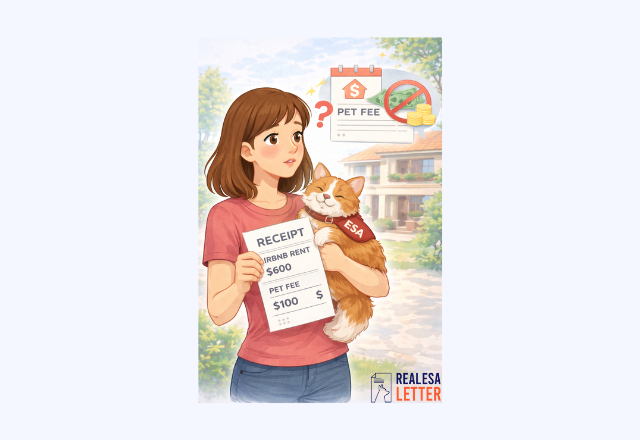
Under Airbnb's policy, hosts cannot charge a pet fee for a trained service animal, though emotional support animals can be charged unless state law says otherwise. Understanding how these fees work can help you budget accurately and avoid surprises when booking a pet-friendly stay.
Let’s explore how pet fees are priced, how they show up at checkout, and the rules that apply to both service animals and emotional support animals.
Key Takeaways
Three Fee Types: One-time fees run $25 to $200. Refundable deposits run $100 to $500. Nightly rates run $10 to $50.
Fees Do Not Cover Damage: The fee pays for extra cleaning only. Real damage goes through AirCover, which covers up to $3 million.
Service Dogs Ride Free: Hosts cannot charge a fee or refuse the booking. They may ask only two questions.
ESAs Can Be Charged: Airbnb treats them differently from service dogs. State rules in California and New York may change this.
Hiding a Pet Backfires: Undeclared pets can mean cancellation with no refund, cleaning charges, and a permanent ban.
Ways to Pay Less: Book longer stays. Travel off-season. Build strong reviews. Offer a pet resume. Search for no-fee listings.
Airbnb Pet Fee Rules and Policies
Here's a breakdown of Airbnb's pet fee rules.
- Pricing Rules: Pet fee structures are determined by individual hosts and may be charged per stay, per night, or per pet. That said, the fee can never exceed the listing's nightly base rate.
- Checkout Transparency: During booking, you're required to specify exactly how many pets you're bringing (maximum of 5). The corresponding pet fee then appears automatically in your total at checkout.
- Service Animals: In line with the ADA and Airbnb's accessibility policies, hosts are prohibited from charging pet fees for verified service animals. You don't need to supply documentation, although a host may ask what specific task the animal has been trained to do.
- Emotional Support Animals (ESAs): In many areas, ESAs don't receive the same federal protections granted to service animals. This means hosts can apply their standard pet fees or "no-pets" policies to ESAs, unless local law says otherwise.
Why Do Airbnb Hosts Charge Pet Fees?
Understanding the reasoning behind pet fees can help you appreciate the host's perspective and negotiate more effectively when appropriate.
Increased Cleaning Requirements
Even well-behaved pets leave behind fur, dander, and odors that require specialized cleaning. Professional pet hair removal, upholstery cleaning, and odor elimination treatments cost hosts significantly more than standard turnover cleaning.
Many hosts must invest in HEPA-grade vacuums, enzyme-based cleaners, and additional laundry cycles to ensure the property remains allergy-friendly for subsequent guests.
Property Wear and Damage Risk
Pets can cause damage that standard wear and tear doesn't cover. Scratched hardwood floors, chewed furniture, stained carpets, and damaged landscaping represent genuine financial risks for property owners. Even trained pets may have accidents or exhibit destructive behavior in unfamiliar environments, especially when experiencing travel anxiety.
Liability and Insurance Considerations
Some homeowners' insurance policies increase premiums for pet-friendly rental properties or require specific liability coverage for animal-related incidents. Hosts factor these insurance costs into their pricing structure.
Additionally, concerns about potential guest injuries from pet encounters or allergic reactions drive some hosts to either prohibit pets entirely or charge premium fees.
Lost Booking Opportunities
By accepting pets, hosts may lose bookings from guests with severe pet allergies or those who specifically seek pet-free environments. The pet fee partially compensates for this reduced booking pool and the necessity of disclosing pet presence to future guests.
How Much Do Airbnb Pet Fees Typically Cost?
Pet fees vary widely depending on property type, location, host preference, and the number of pets you're bringing. Here's what the current data and real host behavior tell us.
Average Pet Fee Benchmarks
The most comprehensive analysis of real Airbnb listings, conducted by BnBFacts from a sample of nearly 400 U.S. listings, found the average one-time flat rate comes in around $100 per stay.
Hosts who charge by the night typically set rates between $10 and $50 per night, and around 89% keep per-night fees at $25 or under. Importantly, only about 23% of hosts who allow pets charge a separate pet fee at all; the majority either absorb the cost into their nightly rate or charge nothing, using "no pet fee" as a competitive advantage to attract bookings.
Hospitable, which works with thousands of STR hosts, similarly reports that most short-term rental hosts charge between $10 and $50 per night when they do apply a fee, depending on pet breed, size, and age.
Why This Matters in 2026
The global pet-friendly hotel and rental market is projected to grow from $4.1 billion in 2024 to $4.62 billion in 2026, about 13% total growth over the two years (roughly 6% annually).
Meanwhile, pet-friendly rentals outperform others, earning $17.41 more in average daily rate and receiving 5.4% higher occupancy, according to AirDNA and StayFi. Setting your fee wrong, too high or too low, has real revenue consequences in this environment.
Estimated Ranges by Property Type
Property Type | Typical Flat Fee |
Urban apartment | $35 – $75 |
Suburban home | $50 – $125 |
Vacation cabin | $40 – $100 |
Beachfront property | $75 – $200 |
Luxury property | $100 – $250+ |
Note: These are estimated market ranges based on host community data and industry reports. Individual listings vary significantly.
Size-Based Pricing
Many hosts factor in pet size since larger animals typically cause more wear:
- Small pets (under 25 lbs): $25 – $75
- Medium pets (25–50 lbs): $50 – $125
- Large pets (50+ lbs): $100 – $200
- Additional pets: +$20 to $75 per extra animal
With Airbnb's per-pet fee option now live, bringing multiple animals can multiply your total cost, always check the listing's fee structure before booking.
Duration Impact
For longer stays, a flat fee is usually more guest-friendly than a per-night rate that compounds. A $15/night pet fee on a 30-day stay adds up to $450 in pet fees alone.
Many hosts either switch to a flat rate for extended stays, cap fees after a certain number of nights, or simply build the cost into their base nightly rate. If you're booking a stay longer than a week, it's worth messaging the host to confirm exactly how their pet fee is structured before committing.
Is the Airbnb pet fee the same as a cleaning fee?
The Airbnb pet fee is separate from the standard cleaning fee. It covers only the extra cleaning a pet creates, such as removing fur, treating odors, and washing additional linens. It does not cover damage, which is handled through AirCover.
How Airbnb Pet Fees Work in 2026?
During checkout, guests can declare as many as five pets. Doing so automatically adds the host's designated fee to their total. As of 2026, most Airbnb hosts are on the host-only fee model, under which Airbnb deducts a 15.5% service fee from the host's payout.
Because that fee applies to the full booking subtotal, and the pet fee is part of it, hosts don't keep the entire pet fee; a share goes to Airbnb's commission. That's one reason many hosts fold the cost into their nightly rate instead.
Key Details on How Pet Fees Work
- Pricing Limits: Hosts can choose between a single flat fee for the entire stay or a per-night charge. Either way, Airbnb's rules prevent the pet fee from being higher than the host's base nightly rate.
- The 15.5% Service Fee Impact: Under the host-only model, Airbnb deducts 15.5% from the host's payout, and since the pet fee is part of the booking subtotal, that deduction applies to pet fees too. As a result, many hosts build these costs into their nightly rates.
- Service Animal Exemptions: Airbnb's policy firmly bars hosts from charging fees or enforcing house rules against certified physical or psychiatric service dogs, as well as miniature horses. Emotional support animals (ESAs) don't qualify as service animals under ADA guidelines. For that reason, hosts are permitted to charge pet fees for them.
- Booking Compliance: When completing a reservation, travelers must enter the precise number of pets they plan to bring, anywhere from 0 to 5. Neglecting to disclose a pet can result in a cancelled reservation or additional charges through the Resolution Center.
How to Find and Understand Pet Fees Before Booking
Transparency varies among Airbnb listings, making it essential to thoroughly research before confirming your reservation.
Using Airbnb's Pet Filter
When searching for accommodations, activate the "Pets allowed" filter under "More filters" in the amenities section. This immediately narrows results to properties that explicitly welcome animals, though it doesn't automatically display associated fees.
Reading Listing Descriptions Carefully
Pet fees aren't always prominently displayed. Scroll through the entire listing description, house rules section, and "Things to know" area, where hosts often bury important fee information. Look for phrases like "pet fee," "pet deposit," "additional charges for pets," or "pet cleaning fee."
Checking the Pricing Breakdown
Before clicking "Reserve," open the full price breakdown on the booking page. Keep in mind that Airbnb folds the pet fee into the nightly rate you see in search results, so it won't show up as a standalone charge there.
It's only when you expand the full price breakdown at the booking stage that the pet fee is itemized separately from the base rate and cleaning fee. Check that this itemized amount matches what the listing's house rules or the host's messages described.
If the breakdown shows no pet fee at all but the listing mentions one, message the host before booking to confirm the amount and how it will be applied.
Legitimate Ways to Reduce Airbnb Pet Fees
Several ethical strategies can help minimize pet-related costs without violating policies or misrepresenting your situation.
Book Longer Stays: Hosts often negotiate lower total pet fees for extended reservations since the cleaning burden doesn't increase proportionally. A month-long stay might warrant the same pet fee as a three-night visit, effectively reducing your per-night cost.
Travel During Off-Peak Seasons: During slower booking periods, hosts become more flexible with fees. Politely negotiate by explaining you're a responsible pet owner with positive reviews, and ask if they'd consider waiving or reducing the pet fee given the current availability.
Build a Strong Airbnb Profile: Guests with extensive positive reviews, complete profiles, and verified identification receive preferential treatment. Some hosts waive fees for guests who demonstrate responsibility through their booking history. Consider requesting that previous hosts mention your pet's excellent behavior in their reviews.
Offer a Pet Resume: Create a document highlighting your pet's training, vaccinations, temperament, and previous successful travel experiences. Include photos and references from veterinarians or previous hosts. This professional approach reassures hosts and may prompt fee reductions.
Look for "Pet Fee Waived" Properties: A growing number of genuinely pet-loving hosts advertise "no pet fees" as a competitive advantage. These listings exist but require patient searching. Try searching phrases like "pet-friendly no fee" in the Airbnb search bar.
Choose Inherently Pet-Friendly Properties: Properties specifically marketed toward pet owners, such as rural farms, cabins near hiking trails, or homes advertising pet amenities like fenced yards, often charge lower fees since they've already optimized for animal guests.
Do Service Animals and ESAs Pay Pet Fees on Airbnb?
This is one of the most misunderstood aspects of traveling with animals on Airbnb, and the rules are different depending on whether your animal is a service animal or an emotional support animal.
Service Animals: No Pet Fees, No Exceptions
Under the Americans with Disabilities Act (ADA), service animals are dogs, and in some cases, miniature horses, individually trained to perform specific tasks directly related to a person's disability. Examples include guiding individuals who are blind, alerting deaf individuals to sounds, pulling wheelchairs, or detecting seizures.
Service animals are not pets under the law. Airbnb's policy is clear: hosts cannot charge a pet fee for a service animal, and cannot deny a booking solely because a guest travels with one.
Hosts are permitted to ask only two questions: whether the animal is required because of a disability, and what task it has been trained to perform. They cannot ask about the nature of the disability itself, request documentation, or ask for proof of training.
If a service animal causes property damage during a stay, the host can file a claim through Airbnb's AirCover damage protection program, separate from the pet-fee system.
Emotional Support Animals: It's More Complicated
Emotional support animals (ESAs) provide therapeutic benefit to individuals with diagnosed mental or emotional disabilities through companionship and presence. Unlike service animals, ESAs do not require task-specific training.
Here's the part most articles get wrong: Airbnb hosts are generally allowed to charge pet fees for emotional support animals. Per Airbnb's current policy, ESAs are treated differently from service animals, and a host can apply their standard pet fee unless local or state law requires otherwise.
There are exceptions. In states with stronger ESA housing protections, such as California and New York, local regulations may limit what hosts can charge or require. If you believe local law applies to your situation, it's worth researching your state's specific ESA housing rules before booking.
For an ESA to be recognized and potentially receive accommodation consideration on Airbnb, you typically need:
- A diagnosed mental or emotional disability
- A documented therapeutic need for the animal
- A valid Emotional support animal letter from a licensed mental health professional who has conducted a proper evaluation, not an online certificate purchased in minutes
An emotional support animal letter from RealESALetter.com is issued by a licensed mental health professional after a live evaluation. The letter includes the clinician's state license number, issue date, and direct contact information.
It's also worth noting that Airbnb updated its rules in 2021 following changes to the Air Carrier Access Act, which removed automatic ESA cabin access on airlines. Airbnb's housing context rules are separate and generally more protective, but they do not guarantee fee exemption for ESAs the way they do for service animals.
A Note on Misrepresentation
The rise of fraudulent ESA letters and fake service animal certifications has created real problems not just legally, but for people who genuinely rely on these accommodations. If a host becomes skeptical of legitimate assistance animals because of widespread fraud, that directly harms people with real disabilities.
Misrepresenting a pet as a service animal or ESA on Airbnb can result in immediate booking cancellation, additional damage charges, negative reviews, and permanent account suspension. Beyond the Airbnb consequences, misrepresenting a service animal is illegal in many U.S. states.
If you have a legitimate need for an ESA, work with a licensed mental health professional through a proper evaluation, not an instant online registry or certification website. These provide no legal standing and no real protection.
What to Do If an Airbnb Host Charges Hidden or Unfair Pet Fees
Sometimes hosts apply unreasonable charges or fees that weren't properly disclosed before booking.
Document Everything: Screenshot all listing descriptions, pricing breakdowns, host communications, and booking confirmations. Documentation proves invaluable if disputes arise.
Contact the Host First: Before involving Airbnb, message your host explaining the concern. Many fee disputes stem from miscommunication and resolve quickly through direct conversation. Remain polite but firm about what was advertised versus what you're being charged.
Review Airbnb's Fee Policies: Familiarize yourself with Airbnb's terms regarding fee disclosure. Hosts must clearly communicate all fees before guests book. Hidden fees discovered after arrival may violate Airbnb's policies.
File a Complaint with Airbnb Support: If host communication doesn't resolve the issue, contact Airbnb customer service through the app or website. Provide your documentation and explain the discrepancy between the advertised and actual charges. Airbnb often mediates disputes and may refund unreasonable fees.
Leave Honest Reviews: If a host applied hidden or excessive fees, mention this in your review to warn future guests. Remain factual rather than emotional, describing exactly what occurred.
Request Refunds for Undisclosed Charges: Airbnb's terms protect guests from undisclosed fees. If you're charged a pet fee that wasn't mentioned in the listing or host communication before booking, you have strong grounds for a full refund of that specific charge.
Understanding AirCover vs. Pet Fees
It's worth clarifying a common misconception: a host's pet fee is meant to cover expected additional cleaning costs, not property damage.
If your pet causes actual damage, such as scratching floors, tearing upholstery, or staining carpets, a host may file a separate claim through Airbnb's AirCover program, which provides up to $3 million in property damage protection. This is separate from the pet fee and can be claimed in addition to it. As a guest, you may be liable for this damage even if you paid a pet fee upfront.
Tips for Being a Responsible Pet Owner on Airbnb
Maintaining positive relationships with hosts protects pet-friendly booking options for all travelers.
Pre-Arrival Communication: Message your host before arrival, confirming your pet's details (size, breed, temperament) even if you've already disclosed this information. Ask about specific house rules regarding pets, such as furniture restrictions or preferred outdoor bathroom areas.
Bring Appropriate Supplies: Pack your pet's bed, food bowls, toys, and cleaning supplies. Bringing familiar items reduces anxiety and prevents pets from damaging the host's property. Include enzyme-based cleaners for immediate accident cleanup.
Minimize Property Impact: Use furniture covers if your pet typically sits on couches. Place mats under food and water bowls to prevent floor damage. Lint-roll furniture before checkout to remove pet hair.
Address Accidents Immediately: Clean any pet accidents thoroughly as soon as they occur. Document your cleaning efforts with photos and inform your host immediately rather than hoping they won't notice. Honesty and proactive communication prevent negative reviews.
Follow Outdoor Pet Rules: Always leash pets in common areas unless specifically told otherwise. Clean up waste immediately and dispose of it properly. Respect noise ordinances, especially regarding barking.
Leave Properties Cleaner Than Required: Go beyond basic expectations by thoroughly vacuuming, wiping surfaces, and removing all traces of your pet's presence. This consideration encourages hosts to continue welcoming pets and may earn you glowing reviews that help with future bookings.
Alternative Accommodations for Pet Travelers
If Airbnb pet fees seem excessive, consider these alternatives.
VRBO and Other Vacation Rental Platforms: VRBO, Booking.com, and other platforms offer pet-friendly properties, sometimes with different fee structures. Comparison shopping across platforms may reveal better deals.
Pet-Friendly Hotels: Major hotel chains like Kimpton, Red Roof Inn, and La Quinta often welcome pets with minimal or no fees, sometimes offering better value than vacation rentals when pet charges are factored in.
House-Sitting Opportunities: Websites like TrustedHousesitters and MindMyHouse connect pet owners with travelers willing to care for their pets and home in exchange for free accommodation. If you're an animal lover, caring for someone else's pets while traveling eliminates accommodation costs.
Campgrounds and RV Parks: Many campgrounds welcome pets without additional fees, providing affordable alternatives for travelers with RVs or camping equipment.
How to Set Up a Pet Fee as an Airbnb Host
If you're an Airbnb host deciding whether and how to charge a pet fee, here's how to configure it in your account:
Step 1: Go to Your Listing Settings - Log into your Airbnb host account, navigate to "Listings," and select the property you want to update.
Step 2: Open Pricing Settings - Click on "Pricing and availability" in your listing editor, then scroll down to "Fees."
Step 3: Enable Pet Fee - You'll see an option labeled "Pet fee." Toggle it on. If your listing was previously set to "No pets allowed," enabling a pet fee will automatically switch your listing to "Pets allowed."
Step 4: Choose Your Fee Structure - Select from flat rate, per night, per pet, or per pet per night. Enter your desired amount.
Step 5: Set a Maximum Number of Pets -Under "Policies and rules," you can limit guests to a maximum of 1–5 pets per stay. Setting this number is important; it limits your exposure and sets clear expectations.
Step 6: Update Your House Rules - Add clear pet rules to your listing description and house rules, covering: which pets are allowed (dogs, cats, etc.), size or breed restrictions if any, leash requirements in common areas, and whether pets are allowed on furniture.
Pricing Strategy Tips for Hosts:
- Research 8–10 comparable pet-friendly listings in your area before setting your rate
- If your market has many pet-friendly options, a lower fee (or no fee) can boost your occupancy rate
- For luxury or high-demand properties, a higher fee is acceptable and expected
- Consider building the pet cost into your nightly rate and advertising "no pet fee", this can be a powerful conversion tool
- For long-term stays (28+ days), a flat rate is often more appealing to guests than a per-night fee that compounds heavily
Making Your Airbnb Pet-Friendly: What Hosts Should Stock
If you're going to accept pets, a few thoughtful additions to your property can earn you better reviews and repeat bookings from pet-owning guests. Consider stocking:
- Food and water bowls: inexpensive and highly appreciated
- Pet bed or crate: especially useful for guests traveling light
- Paw wipe towels: designated towels near the entrance for muddy paws
- Furniture covers or throws: protect sofas and chairs
- Waste bags and an outdoor disposal bin: make cleanup easy for guests
- Enzyme-based cleaner: for hosts to use post-stay on any accidents
- Pet toy or two: a nice touch that gets mentioned in reviews
- List of nearby pet-friendly parks, trails, and vets in your digital welcome book
These additions cost very little but signal that you genuinely welcome pets rather than just tolerating them. Guests who feel welcomed are more likely to leave 5-star reviews, follow your house rules carefully, and rebook.
In conclusion, Airbnb pet fees usually reflect the real cleaning costs of hosting animals, and being informed helps you avoid surprises. By researching listings, communicating openly with hosts, and demonstrating responsible pet ownership, you can reduce unnecessary costs and avoid disputes.
Some travelers search for how to make their dog an emotional support dog for free, but ESAs aren't created through registration or shortcuts. A legitimate ESA letter for housing requires a genuine mental health need and an evaluation by a licensed professional, not simply labeling a pet to dodge fees.
RealESALetter.com issues ESA letters after a live consultation with a licensed clinician rather than as an instant download, which is the distinction Airbnb hosts and state agencies look for when a letter is questioned.
Safe and happy travels with your furry companion!
Frequently Asked Questions
Can Airbnb hosts charge whatever pet fee they want?

Yes, Airbnb doesn't regulate pet fee amounts, allowing hosts to set their own rates. However, hosts must clearly disclose all fees before guests book.
Market competition typically keeps fees within reasonable ranges, though luxury properties and high-demand locations may charge premium rates. If a fee seems excessive, compare similar properties in the area to gauge whether it's standard or inflated.
What happens if I bring a pet without declaring it to avoid fees?
Bringing undeclared pets violates Airbnb's terms of service and host property rules. Consequences include immediate booking cancellation without refund, additional charges for deep cleaning or damage, negative reviews affecting future booking ability, and potential permanent ban from Airbnb's platform.
Hosts have security measures like cameras in common areas and neighbors who report violations. The financial and reputational risks far outweigh any fee savings.
Can I negotiate pet fees directly with Airbnb hosts?
Absolutely. Many hosts appreciate direct communication and may reduce or waive fees for responsible guests, especially during low-demand periods or for extended stays.
When negotiating, emphasize your pet's good behavior, provide references or a pet resume, and demonstrate your booking history of positive reviews. Frame your request respectfully, acknowledging the host's concerns while explaining why a fee reduction would be mutually beneficial.
Do pet fees cover potential damage, or will I be charged extra if my pet causes damage?
Standard pet fees typically cover anticipated cleaning and minor wear, not significant damage. If your pet causes damage beyond normal wear, such as torn furniture, scratched floors, or stained carpets, hosts can claim additional compensation from your security deposit or file damage claims through Airbnb's resolution center.
This is why providing your own security measures (furniture covers, immediate accident cleanup) and obtaining renter's insurance with pet coverage protects you financially.
Are pet deposits always refundable on Airbnb?
Pet deposits should be refundable if no damage occurs, but refund terms vary by host. Some automatically return deposits within 48 hours after checkout, while others review the property first before releasing funds.
Always clarify refund conditions before booking and document your pet's behavior and the property's condition at checkout with photos. If a host wrongfully withholds your deposit, Airbnb's dispute resolution process can help recover it.
How can I find truly pet-friendly Airbnb hosts who love animals?
Look for specific indicators in listings: mentions of the host's own pets, amenities like dog beds or treat baskets, fenced yards, proximity to pet-friendly attractions, and enthusiastic language about welcoming furry guests.
Read reviews from previous pet owners to gauge genuine pet-friendliness versus mere tolerance. Hosts who actively market to pet owners through detailed pet policies and accommodations typically charge fairer fees and provide better experiences.
Can Airbnb hosts charge per pet or per night for pet fees?
Yes, as of Airbnb's 2026 platform update, hosts can now charge pet fees as a flat rate per stay, per night, per pet, or per pet per night. Previously, only a flat rate option was available. To access the new options, go to your listing's pricing settings and update your pet fee configuration.
What is the maximum pet fee allowed on Airbnb?
Airbnb requires that the pet fee cannot exceed the host's base nightly rate. For example, if your nightly rate is $100, your maximum chargeable pet fee is $100. There is no set floor; hosts can charge as little as they like, including $0.
Dr. Avery Langston is a health and wellness writer with 12+ years of experience covering ESA rights, housing laws, and mental health. As a senior contributor for RealESALetter, she helps readers understand ESA regulations and legal protections.

Darren Rafel is a licensed clinical social worker with active LCSW licenses across 13 states, including California, New Jersey, Texas, Florida, and Arkansas. He conducts ESA evaluations with direct clinical experience using pet therapy as part of mental health treatment.

Don't worry. Your pet stays with you.
Housing law is on your side
- 1A few questions. That's your paperwork
- 2A licensed therapist reviews your case
- 3Official ESA letter, ready to send
Not accepted? Full refund, guaranteed