 Sign In / Create Account
Can You Get a Psychiatric Service Dog for Panic Disorder?
Yes. You can get a psychiatric service dog for panic disorder. The condition must limit your daily life. The dog must also be trained to perform tasks for it.

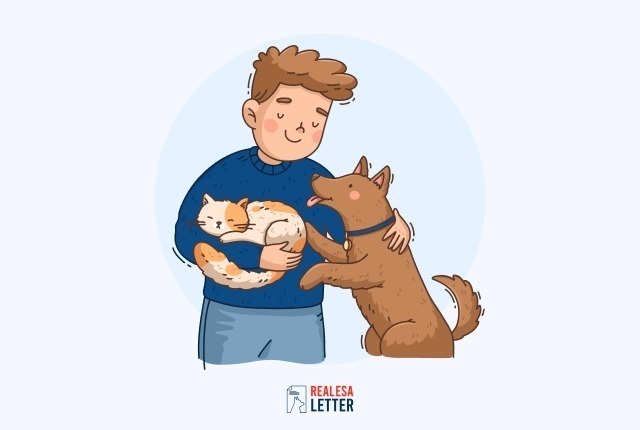
A psychiatric service dog for panic disorder is a dog individually trained to help you through panic attacks. It can alert you early. It can calm your body during an attack. It can help you recover after.
A PSD letter from RealESALetter.com supports a housing request and public access for a dog trained to help with panic disorder.
This guide explains how panic disorder qualifies and how a PSD helps. It also covers paperwork and the steps to get one.
Key Takeaways
Two Conditions Must Be Met: Panic disorder must substantially limit a major life activity. The dog must be trained to perform at least one task for it.
Tasks Cover the Whole Attack: A PSD can alert you before an attack starts. It can apply deep pressure during the attack and help you recover after.
Night Attacks Count Too: A PSD can wake you from a nocturnal panic attack. It can then lie across you to apply deep pressure.
Calming Presence Is Not a Task: The ADA does not count comfort as a task. Only a trained response to your symptoms counts.
Paperwork Depends on the Setting: Public places need no registration or ID. Airlines may ask for a DOT form and landlords may ask for a PSD letter.
How Does Panic Disorder Qualify for a Psychiatric Service Dog?
Panic disorder qualifies when it substantially limits a major life activity. This is the disability test under the Americans with Disabilities Act (42 U.S.C. § 12102).
A diagnosis alone is not enough. Panic disorder is diagnosed when unexpected panic attacks keep coming back. At least one attack is followed by a month or more of worry or avoidance (DSM-5).
Panic disorder often limits these major life activities:
- Sleeping: Night attacks wake you and break your rest.
- Concentrating: Fear of the next attack makes it hard to focus.
- Working: You may miss shifts or avoid meetings.
- Caring for yourself: You may avoid stores or stop driving.
A licensed mental health professional confirms the diagnosis. They also confirm how it limits your daily life. You can complete this evaluation through a PSD letter online from a licensed clinician.
How Does a PSD Help With Panic Disorder?
A PSD helps with panic disorder by performing trained tasks around each attack. Each task responds to a specific symptom.
Before an Attack
Before an attack the dog alerts you to early signs. A dog can learn to notice a racing heart or fast breathing. It then nudges or paws you. That alert gives you time to sit down or take medication.
During an Attack
During an attack the dog works to calm your body.
- Deep pressure therapy: The dog lies across your lap or chest. Its weight helps slow your breathing.
- Tactile interruption: The dog licks or nudges your hands. This pulls your focus back to the present.
- Blocking: The dog stands between you and other people. This gives you space to breathe.
After an Attack
After an attack the dog helps you recover.
- Retrieving medication: The dog brings your medication or a bottle of water.
- Bringing a phone: The dog brings your phone so you can call someone you trust.
- Guiding to a quiet spot: The dog leads you to a calm place to rest.
At Night
At night the dog can wake you from a nocturnal panic attack. It can then lie across you to apply deep pressure. Some dogs also learn to turn on a light. This helps you see that you are safe.
Many of these tasks also help with other conditions. You can compare them in this complete PSD task list.
Want More Dog-Friendly Trips? GET PSD LETTER IN A FEW CLICKS!
- Licensed Therapist Evaluations
- Easy Online Process
- Personalized PSD Documentation
Can a PSD Help You Leave Home With Agoraphobia?
Yes. A PSD can be trained for tasks that make public places easier to enter and leave.
Panic disorder often leads to agoraphobia. This is the fear of places where escape feels hard. People start to avoid stores and buses and crowds. A PSD can be trained for these tasks:
- Creating space: The dog stands behind you in a line. This keeps people from crowding you.
- Finding the exit: On cue the dog leads you to the nearest door.
- Finding the car: The dog guides you back to your car in a busy lot.
Your PSD can go with you into stores and restaurants and onto public transit. You can learn where that access applies in this guide to PSD public access rights.
Is Calming Presence a PSD Task for Panic Disorder?
No. Calming presence is not a task under the ADA even for panic disorder. The ADA says emotional support and comfort do not count as tasks (28 CFR 36.104).
Here is where the line falls for panic disorder:
- Not a task: You feel calmer when your dog sits near you during an attack.
- A task: Your dog applies deep pressure when it notices your breathing speed up.
- The difference: A task is a trained action. The dog performs it in response to your symptoms.
The ADA service animal rules explain this line in plain terms.
A dog that offers comfort without task training may fit a different path. This guide to the emotional support animal for panic disorder explains how that path works.
What Paperwork Does a Panic Disorder PSD Need?
A panic disorder PSD may need two documents: a DOT form for air travel and a PSD letter for housing. Public places require no paperwork under the ADA.
Public Places
Public places require no paperwork. You need no registration or ID. Staff may ask only two questions. They may ask if the dog is required because of a disability. They may ask what task it is trained to perform (28 CFR 36.302(c)(6)).
Air Travel
Airlines may require the U.S. DOT Service Animal Air Transportation Form. You complete it yourself. It covers your dog's health and behavior and training.
Housing
A housing provider may ask for documentation when your disability is not obvious (42 U.S.C. § 3604(f)). A clinician's PSD letter meets this need.
Every RealESALetter.com PSD letter for panic disorder lists the clinician's state license number and contact details. A housing provider can use them to verify the letter during a Fair Housing Act accommodation request.
You can see what a PSD letter covers in this psychiatric service dog letter guide.
What Are the Steps to Get a PSD for Panic Disorder?
You get a PSD for panic disorder in five steps.
Step 1: Get Evaluated
A licensed clinician confirms panic disorder and how it limits you. This evaluation is the base for every later step.
Step 2: Match Tasks to Symptoms
Write down what happens before and during and after your attacks. Each symptom points to a task the dog can learn.
Step 3: Choose the Dog
Use your own dog or find one with a calm temperament. The dog must stay steady in busy public places.
Step 4: Train the Tasks
Train the dog yourself or use a program. The ADA requires no specific program. Assistance Dogs International accredits programs if you want outside help.
Step 5: Add Housing Paperwork if Needed
A PSD letter applies when a landlord asks for documentation. You do not need one for public places.
The process is similar for other mental health conditions. You can read the full walkthrough on how to get a psychiatric service dog.
Conclusion
A PSD is right for you when panic disorder limits your daily life and a trained dog can address it. The dog must perform real tasks for your symptoms. Calm company alone does not qualify. Start your free PSD evaluation to see if a licensed clinician confirms your need.
Frequently Asked Questions
How many tasks must a PSD for panic disorder know?

One trained task meets the ADA minimum. You can train more tasks for different moments of an attack.
Does insurance cover a PSD for panic disorder?
No. Health insurance usually does not cover a PSD. The costs of buying and training a service animal may count as medical expenses under IRS Publication 502.
Can a PSD replace treatment for panic disorder?
No. A PSD works alongside therapy or medication. It does not replace them.
Can any breed be a PSD for panic disorder?
Yes. The ADA sets no breed or size limit. Temperament and training matter more than breed.
Sarah Connell is a Mental Health Writer (M.S.) with extensive expertise in psychiatric wellness and behavioral health writing. She specializes in the research and documentation of Psychiatric Service Dogs (PSDs) and their role in mental health support. With a deep commitment to mental health awareness and advocacy, Sarah is passionate about helping people understand their PSD rights, benefits, and responsibilities clearly and simply at RealESALetter.
Precious L. is a Licensed Mental Health Counselor (LMHC) and qualified supervisor whose work centers on trauma-informed care, family systems, relationship health, and emotional adjustment.

Wherever you travel, your dog goes with you.
Trained, documented, federally protected
- 1A few questions. That's your paperwork
- 2A licensed therapist reviews your case
- 3Official PSD letter, ready to send
Not accepted? Full refund, guaranteed

