


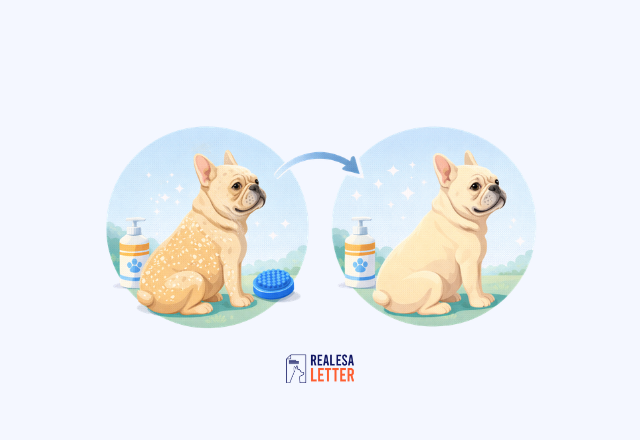
If you have noticed white flakes on your dog's coat, bedding, or furniture, it can be frustrating and concerning.
Dog dandruff is a common skin issue among pets in the United States, and while it may seem minor at first, it can sometimes signal underlying skin problems, allergies, or health conditions. Ignoring persistent flakes may lead to itching, irritation, and discomfort for your dog.
In this guide, we’ll explore dog dandruff treatment, including its common causes, effective home remedies, veterinary treatments, and practical prevention tips to keep your dog’s skin healthy.
What Is Dog Dandruff?
Dog dandruff is the visible shedding of dead skin cells from a dog's coat. Medically referred to as seborrheic dermatitis, dandruff occurs when the outer layer of skin sheds faster than normal, producing white or yellowish flakes that cling to fur, skin, and surfaces. It is often accompanied by itchiness, redness, and a dull coat.
There are two main types. Dry seborrhea, also called seborrhea sicca, is the most common form and produces dry, white, powdery flakes that are easy to spot against dark fur. Oily seborrhea, known as seborrhea oleosa, produces greasy, yellowish flakes that may come with a noticeable odor.
Most dogs with seborrheic dermatitis actually present with a combination of both types, making diagnosis and treatment a process of ruling out underlying causes rather than simply treating the surface-level flaking.
Dandruff itself is a symptom, not a standalone disease. In most cases, it points to an underlying issue, whether that is dry air, a nutritional gap, a parasite, or a chronic skin condition. This distinction is critical because treating the flakes without addressing the root cause will only produce short-term improvements.
A dog whose dandruff stems from hypothyroidism, for example, will continue to flake regardless of how many oatmeal baths they receive unless the hormonal imbalance is diagnosed and managed. Understanding what type of dandruff your dog has and what is causing it is always the first step toward meaningful, lasting relief.
It is also worth noting that not all flaking looks the same. The color, texture, and location of the flakes, combined with any accompanying symptoms like itching, odor, or hair loss, can all point your veterinarian toward the right diagnosis.
Keeping a note of when flaking started, whether it is seasonal, and whether anything changed in your dog's diet or environment around that time will help your vet narrow down the cause much faster.
What Does Dog Dandruff Look Like?
Dandruff in dogs appears as small white, yellow, or reddish-brown flakes visible in the fur or on surfaces your dog frequents. The flakes are most commonly found near the base of the tail and along the back, though they can appear anywhere on the body depending on the underlying cause. In dogs with skin folds, such as Basset Hounds or Bulldogs, flaking may be more concentrated in fold areas like the neck, armpits, and groin.
Beyond the visible flakes themselves, there are several accompanying signs that often appear alongside dog dandruff. Constant scratching or biting at the skin is one of the most telling indicators.
You may also notice patchy, dry, or scaly skin, a dull or brittle coat that lacks its usual sheen, red or irritated patches, and excessive shedding beyond what is normal for your dog's breed or season. In cases of oily seborrhea, a mild to strong odor coming from the skin is common, particularly if a secondary bacterial or yeast infection has developed.
It is important to distinguish regular dandruff from a condition called walking dandruff, or cheyletiellosis, caused by Cheyletiella mites. At first glance, both look like white flakes sitting in the fur. The critical difference is that with walking dandruff, the flakes appear to move on their own because the mites are moving beneath them.
If you observe your dog's skin closely and notice any movement in the flakes, do not attempt to treat it at home with dandruff shampoo. This is a parasite infestation that requires a prescription antiparasitic from your veterinarian, and it is contagious to other pets and humans in the household. Acting quickly protects everyone in your home.
Other conditions such as ringworm, yeast infections, and bacterial folliculitis can also produce flaking that resembles dandruff. This is why a veterinary diagnosis is valuable when flaking is persistent, widespread, or accompanied by other symptoms. The appearance of dandruff alone is not always enough to determine the cause.
Common Causes of Dog Dandruff
Understanding the root cause is the most important step in choosing the right dog dandruff treatment. Here are the most well-documented causes.
- Seborrhea (Primary Skin Condition)
Seborrhea is a skin disorder in which the sebaceous glands produce too much or too little oil (sebum). The imbalance leads to flaking, greasiness, or both. According to VCA Animal Hospitals, in some dogs, primary seborrhea is a genetic condition present from puppyhood and lasting a lifetime.
Breeds more prone to primary seborrhea include the Cocker Spaniel, Basset Hound, Doberman Pinscher, English Springer Spaniel, and West Highland White Terrier.
In these breeds, the skin cell renewal cycle is abnormally accelerated, creating a buildup of keratin on the skin that sheds as visible flakes or scales. Because there is no cure for primary seborrhea, management focuses on controlling symptoms through medicated shampoos, regular grooming, and in some cases, prescription medications such as retinoids.
Secondary seborrhea, which is far more common, develops as a result of another health condition such as allergies, hormonal disorders, or infections. In secondary seborrhea, the flaking is a downstream effect rather than the primary problem. Treating the underlying condition almost always leads to significant improvement or complete resolution of the dandruff.
This is why a thorough veterinary workup is so important before committing to a long-term treatment plan. A dog whose dandruff is rooted in an allergy, for instance, will respond very differently to treatment than one whose flaking is driven by a thyroid disorder.
- Environmental and Seasonal Dryness
Low humidity, particularly during winter months, is one of the leading triggers for dry skin on dogs. Central heating reduces indoor moisture levels significantly, which can leave your dog's skin parched and flaky. This is one of the most common and overlooked causes of seasonal dandruff, particularly in regions where temperatures drop dramatically and homes rely on forced-air heating systems for months at a time.
Dogs living in dry climates may experience dandruff year-round, while others see it spike during colder seasons when the air inside heated homes becomes particularly arid. Some dogs are more sensitive to environmental humidity changes than others, with short-coated breeds and dogs with naturally dry skin being most susceptible.
The fix in these cases is often straightforward: adding a humidifier to key living areas and switching to a moisturizing shampoo during dry months can significantly reduce or eliminate weather-related dandruff without any veterinary intervention.
It is also worth considering whether your dog spends time in particularly dry outdoor environments, such as desert regions or high-altitude areas where the air naturally holds less moisture. Dogs that transition frequently between warm indoor environments and cold, dry outdoor air may experience repeated cycles of skin drying that contribute to chronic flaking.
Monitoring your home's humidity with a simple hygrometer and keeping indoor levels between 40 and 60 percent is a good year-round practice for households with dogs prone to skin dryness.
- Allergies (Allergic Dermatitis)
Both food allergies and environmental allergies can trigger allergic dermatitis, a skin condition that closely resembles dandruff. Dogs with allergic dermatitis typically show persistent scratching, red or inflamed patches of skin, recurring ear infections, and constant paw licking.
The flaking associated with allergies tends to be accompanied by more intense itching than dandruff caused by simple dryness, and it may be localized to specific areas rather than spread evenly across the coat.
Common food allergens in dogs include certain protein sources such as chicken, beef, and dairy, as well as grains in some cases. Environmental allergens include pollen, mold spores, dust mites, and certain cleaning products or synthetic fabrics in your dog's environment.
Identifying the specific allergen requires a process of elimination, often involving dietary trials with a novel protein source or hydrolyzed protein food, as well as allergy testing conducted by a veterinary dermatologist in more complex cases.
If you notice that your dog's dandruff is seasonal, worsening at particular times of year, or accompanied by other allergy symptoms, an allergic cause is worth investigating. A veterinarian can help identify whether food or environmental triggers are at play and recommend an appropriate management strategy. In some cases, prescription antihistamines, steroids, or immunotherapy may be needed to bring allergic dermatitis under control.
- Parasites: The "Walking Dandruff" Problem
A particularly important cause of dog dandruff that many owners overlook is Cheyletiella mites. These mites are large enough to see with the naked eye and look almost identical to dandruff flakes. The key difference: they move.
This condition, nicknamed "walking dandruff" or cheyletiellosis, is contagious to other pets and even humans. It is most common in kennels and multi-pet households. If your dog's "flakes" appear to be moving, contact your veterinarian immediately for a parasite treatment plan.
Fleas are another parasite that weakens hair follicles and damages the skin, leading to widespread flaking and itching. Keeping up with a reliable flea treatment for dogs is one of the most effective ways to prevent parasite-driven dandruff.
Beyond causing direct skin damage, flea saliva is a common allergen in dogs, and flea allergy dermatitis can trigger significant secondary seborrhea even when only a small number of fleas are present on the animal.
Regular parasite prevention is not just about keeping fleas and ticks at bay. It also protects against mites that can live in bedding, furniture, and carpeting, lying dormant until conditions favor their spread.
Dogs that visit groomers, boarding facilities, dog parks, or other high-contact environments are at elevated risk and benefit most from consistent, year-round prevention protocols recommended by their veterinarian.
- Nutritional Deficiencies
A dog's skin health is directly tied to its diet. Deficiencies in omega-3 and omega-6 fatty acids, as well as vitamins A and E, are well-known contributors to dry, flaky skin. Dogs that are fed low-quality food or have an unbalanced diet may develop persistent skin issues over time, and in many cases, simply upgrading the diet produces a noticeable improvement in coat quality and dandruff within a matter of weeks.
The skin barrier relies on fatty acids to retain moisture and maintain its protective function. Without adequate levels of these nutrients, the skin dries out more easily, becomes more permeable to allergens and irritants, and is more prone to secondary infection.
Omega-3 fatty acids in particular have well-established anti-inflammatory properties that can reduce skin redness and flaking associated with both allergic and non-allergic dandruff.
Vitamin A plays a role in the normal process of skin cell renewal, and a deficiency can disrupt keratinization in a way that mirrors the symptoms of seborrhea. Vitamin E acts as an antioxidant that protects skin cells from oxidative damage.
Dogs on home-cooked diets, those with digestive conditions that impair nutrient absorption, and senior dogs with changed metabolic needs are at greater risk of developing nutritional skin deficiencies. A complete blood panel and nutritional assessment from your vet can identify gaps and guide supplementation.
- Hormonal and Endocrine Disorders
Several underlying medical conditions affect skin health as a secondary symptom. Hypothyroidism is one of the most commonly missed causes of chronic dandruff in middle-aged dogs.
An underactive thyroid slows metabolism and results in dry, flaky, or thickened skin, often accompanied by weight gain, lethargy, and a dull coat. Because these symptoms develop gradually, many owners attribute them to normal aging before a diagnosis is made.
Cushing's Disease, caused by overproduction of cortisol by the adrenal glands, leads to skin thinning, hair loss, and recurring infections in addition to dandruff. Affected dogs often show a pot-bellied appearance, increased thirst and urination, and muscle weakness.
Diabetes mellitus can contribute to poor wound healing and increased susceptibility to skin infections, both of which can cause or worsen dandruff. These conditions are typically diagnosed via blood tests and require ongoing veterinary management, but once treated appropriately, the associated skin symptoms often improve dramatically.
If your dog's dandruff is accompanied by behavioral changes, shifts in weight or appetite, increased water consumption, or other systemic symptoms, do not delay in consulting a veterinarian. Endocrine disorders are progressive and easier to manage when caught early.
- Fungal and Bacterial Infections
Fungal infections, including yeast dermatitis (Malassezia) and ringworm, as well as bacterial skin infections like folliculitis, can all produce dandruff-like flaking. These conditions often require targeted prescription treatment and should not be managed with over-the-counter shampoos alone.
Signs that a fungal or bacterial infection may be present include an unusual or strong odor from the skin, skin discoloration, lesions, hair loss in circular or irregular patches, and flaking that is greasy or crusty rather than dry and powdery.
Yeast infections in dogs tend to develop in warm, moist areas such as the ears, paws, and skin folds, but can spread across the coat in more severe cases. Dogs with allergies or compromised immune systems are particularly prone to recurring yeast overgrowth.
Ringworm, despite its name, is caused by a fungus and produces circular patches of hair loss with scaly, inflamed borders. It is transmissible to humans, making prompt veterinary treatment important for the health of the entire household.
Bacterial folliculitis, an infection of the hair follicles, is another condition commonly mistaken for routine dandruff. It produces small bumps, scabs, and skin crusting that can look similar to dry seborrhea. In longhaired dogs, the most obvious external sign may simply be a dull, flaky coat, making the bacterial origin easy to overlook without a veterinary skin examination and cytology.
Treatment typically involves prescription antibiotics or antifungal medications, and addressing the underlying cause, whether allergies, seborrhea, or immune suppression, is essential to prevent recurrence.
- Poor Grooming Habits
Both undergrooming and overgrooming can lead to dandruff. Dogs that are not bathed or brushed frequently enough accumulate dead skin cells and natural oil buildup that eventually leads to flaking and skin irritation.
At the same time, bathing too frequently strips the skin of its natural protective oils, leaving it dry, exposed, and more vulnerable to environmental irritants and pathogens. Finding the right grooming frequency for your individual dog is an important part of long-term skin health management.
The type of shampoo used also matters significantly. Many general-purpose dog shampoos contain fragrances, sulfates, or preservatives that are too harsh for dogs with sensitive or already-compromised skin.
Switching to a gentle, fragrance-free, or moisturizing formula can make a noticeable difference for dogs prone to dryness or irritation. Dogs that are ill or in pain may groom themselves less frequently, creating a cycle where poor hygiene worsens skin health and declining skin health affects overall comfort.
- Stress
Stress and anxiety in dogs can trigger and worsen various skin conditions, including dandruff.
Elevated cortisol levels caused by chronic stress can interfere with normal skin cell turnover. This also suppresses immune function, making the skin more vulnerable to secondary infections and inflammatory conditions.
Environmental changes, separation anxiety, new household members, loud or unpredictable noises, or disruptions to routine can all be contributing factors.
Dogs experiencing chronic stress may also engage in excessive scratching, licking, or chewing at their skin, creating physical trauma that directly damages the skin barrier and triggers or worsens flaking.
Addressing the behavioral and emotional root of stress-related dandruff, through environmental enrichment, routine stability, and professional training or behavioral support, is as important as any topical treatment in these cases.
How to Treat Dog Dandruff: Vet-Approved Methods
Treating dog dandruff effectively starts with one principle: address the cause, not just the flakes. Many pet owners reach for the nearest shampoo and hope for the best, but without identifying what is driving the skin issue, relief will only be temporary.
The good news is that the majority of dandruff cases in dogs respond well to a combination of consistent home care, dietary adjustments, and when necessary, veterinary intervention.
The key is building a routine that works for your specific dog, because factors like breed, coat type, age, and environment all influence what treatment approach will deliver the best results. A dog with seasonal dryness needs a different solution than one with an underlying hormonal disorder or a parasite infestation.
Working through the steps below in order gives you the clearest path from flaky, uncomfortable skin to a coat that is healthy, hydrated, and dandruff-free. If symptoms persist beyond two to three weeks of consistent home care, or if they are severe from the outset, a veterinary consultation is the right next move.
Step 1: Rule Out Medical Causes First
Before starting any home treatment, it is important to schedule a veterinary visit if dandruff is severe, persistent, or accompanied by other symptoms. Your vet may perform a skin scraping, cytology, or blood panel to identify whether allergies, parasites, hormonal conditions, or infections are the root cause.
Attempting to manage a condition like hypothyroidism or a fungal infection with shampoo alone will not produce meaningful improvement and may delay treatment that your dog genuinely needs.
During the veterinary visit, provide as much detail as possible about when the dandruff started, whether it is getting worse, what your dog eats, and any changes to their environment or routine.
This information helps the vet prioritize which diagnostic tests to run and arrive at a diagnosis more efficiently. Once a medical cause has been ruled out or identified and addressed, home care becomes far more effective and targeted.
Step 2: Switch to the Right Dog Shampoo
One of the most effective front-line dog dandruff treatments is switching to a moisturizing or medicated dog shampoo. Key options include:
- Oatmeal-based shampoos: Colloidal oatmeal has well-established anti-inflammatory properties that soothe irritated, dry skin. These are the most widely recommended option for mild to moderate dandruff.
- Medicated anti-dandruff shampoos: Products containing selenium sulfide, benzoyl peroxide, or salicylic acid may be recommended by your vet for more persistent cases. The Merck Veterinary Manual notes that these keratolytic ingredients work by removing excess dead skin cells, reducing scale, and helping normalize skin cell replacement.
- Ceramide-containing shampoos: Help restore the skin barrier and improve moisture retention.
Important: Never use human dandruff shampoo on your dog. The pH balance of human skin differs significantly from that of a dog's, and human shampoos often contain ingredients that cause additional irritation.
After shampooing, follow up with a dog conditioner or cream rinse to seal in moisture. Leave medicated shampoos on for the contact time specified on the label, typically five to ten minutes, before rinsing. Your vet can help you determine the right bathing frequency, as both over-bathing and under-bathing can worsen dandruff.
Step 3: Brush Your Dog Regularly
Regular brushing is one of the simplest and most underrated tools for managing dandruff on dogs. Gentle brushing distributes the natural oils (sebum) produced by your dog's skin evenly across the coat, improving moisture balance and loosening existing flakes before they accumulate. It also stimulates circulation in the skin, which supports healthier cell turnover and a stronger skin barrier over time.
Brush your dog every one to two days with an appropriate grooming tool for their coat type. A proper dog grooming routine goes beyond aesthetics and plays a direct role in preventing skin conditions.
Avoid using brushes designed to strip the undercoat, as aggressive grooming can cause additional skin irritation. For dogs with long or thick coats, working in sections and using a detangling spray or conditioner can make brushing more comfortable and effective.
Step 4: Upgrade Your Dog's Diet
If your dog's diet lacks essential fatty acids, their skin will show it. Consider feeding a high-quality dog food that lists omega-3 and omega-6 fatty acids, as well as vitamins A and E, prominently in the ingredients.
Look for formulas labeled "sensitive skin" or "skin and coat support," as these are specifically formulated to address dermatological needs. Adding a veterinarian-approved fish oil supplement to your dog's food is one of the most evidence-supported dietary interventions for reducing skin inflammation and improving moisture retention.
Many pet owners also turn to coconut oil for dogs as a natural way to add moisture to the diet and coat. A small amount can be added to food or applied topically, though fish oil is generally preferred for its anti-inflammatory benefits.
Always consult your veterinarian before adding supplements, as appropriate dosages vary significantly based on your dog's size, age, and health status. Avoid making multiple dietary changes at once, as this makes it difficult to identify which adjustment is producing improvement.
Step 5: Use a Humidifier in Your Home
Dry indoor air is a major contributor to canine dandruff, especially in climates that rely on central heating during winter. Running a humidifier in your living areas can significantly reduce skin dryness for both you and your dog, and it is one of the lowest-effort interventions available for weather-related dandruff.
Aim to keep indoor humidity between 40 and 60 percent, which is the optimal range for both human and canine skin health. Keep the humidifier clean and change the water daily to prevent mold and bacterial growth. Follow manufacturer guidelines regarding filter maintenance and cleaning schedules.
A dirty humidifier can actually introduce airborne irritants that worsen respiratory and skin conditions rather than helping. If your dog's dandruff is clearly seasonal and coincides with the heating season, a humidifier alone may resolve the issue entirely without any additional treatment.
Step 6: Keep Your Dog's Environment Clean
Mites, fleas, and bacteria thrive in unkempt environments. Replace and wash your dog's bedding at least once a week, disinfect sleeping and resting areas periodically, and remove food spills and organic debris that can harbor parasites or pathogens.
Vacuuming carpets and upholstered furniture regularly reduces the population of flea eggs and mite allergens in the home environment. A clean living space directly reduces your dog's cumulative exposure to the triggers that cause and worsen skin conditions.
Using flea pills for dogs or a vet-recommended flea collar as part of your regular prevention routine will further protect your dog from parasite-triggered skin issues throughout the year, not just during peak flea season.
Step 7: Address Stress and Anxiety
If your dog is showing behavioral signs of anxiety alongside skin issues, addressing their stress may improve dandruff as well. Ensure your dog gets adequate daily exercise, mental stimulation through enrichment activities, and a stable, predictable routine.
Reducing exposure to known stressors where possible, such as loud noises, unpredictable schedules, or stressful social situations, gives your dog's nervous system and immune function the stability needed for healthy skin regeneration.
Many emotional support animal owners who have obtained an ESA letter for dog through platforms like RealESALetter.com report that managing their own emotional wellbeing alongside their pet's physical care leads to better outcomes for both.
Step 8: Consider CBD-Based Skin Products
Some pet owners have found that CBD oil for dogs may support skin health through its interaction with the endocannabinoid system, which plays a role in regulating inflammation and skin cell turnover.
CBD-based dog shampoos are also increasingly available and are formulated to be gentle on sensitive skin. Always choose products specifically formulated for dogs and consult your vet before adding any new supplement to your dog's routine.
Step 9: Consult a Vet for Prescription Treatments
In cases that do not respond to home care, a veterinarian may prescribe medicated shampoos with antifungal or antibacterial agents, oral antibiotics or antifungals for skin infections, or antiparasitic medications for mite or flea infestations.
Vets may also recommend steroid medications for severe inflammation (used short-term due to long-term risks), thyroid hormone replacement for hypothyroidism, or allergy management treatments such as immunotherapy for chronic cases.
Your vet is best positioned to assess the full clinical picture and build a treatment plan that addresses both the symptoms and the source.
Dog Dandruff vs. Walking Dandruff: How to Tell the Difference
Not every case of white flakes in a dog's coat is the same, and the distinction between regular dandruff and walking dandruff has significant implications for how quickly you need to act and what treatment is required.
Regular dandruff is a non-contagious skin condition driven by internal or environmental factors, while walking dandruff is an active parasite infestation that spreads between animals and can temporarily affect humans as well.
The most reliable way to tell the difference is to observe the flakes closely in good light. Regular dandruff flakes are inert and will stay wherever they land in the fur. Cheyletiella mites, the cause of walking dandruff, are large enough to be visible with careful observation, and the flakes they inhabit will appear to shift or move slowly when you watch them.
The infestation typically concentrates on the back and neck area and tends to cause intense itching and skin irritation. If you have any doubt, bring your dog to a vet for a skin scraping, which will definitively confirm or rule out the presence of mites within minutes.
Feature | Regular Dog Dandruff | Walking Dandruff (Cheyletiella Mites) |
Appearance | White or yellow flakes | White flakes that may appear to move |
Contagious? | No | Yes (to other pets and humans) |
Location | Back, tail, flanks | Back and neck area |
Treatment | Shampoo, diet, grooming | Veterinary prescription antiparasitic |
Urgency | Moderate | High |
How to Prevent Dog Dandruff
Prevention is far easier than treatment, and most of the habits that keep dandruff at bay are simply extensions of good general pet care. Building them into your routine now reduces the likelihood of dealing with uncomfortable, recurring skin issues in the future and keeps your dog's coat looking and feeling its best year-round.
Establish a consistent grooming routine. Bathe your dog once or twice a month using a gentle, moisturizing shampoo formulated for dogs. Following a structured dog grooming routine and brushing the coat every day or two helps distribute natural oils evenly and remove dead skin before it accumulates. Avoid both under-grooming and over-grooming, and always choose grooming products appropriate for your dog's specific coat type and skin sensitivity.
Feed a nutrient-rich diet. Choose food with high-quality ingredients and adequate levels of omega fatty acids, vitamins, and minerals. Avoid frequent diet changes, as new ingredients can trigger allergic reactions. If your dog has a history of skin issues, ask your vet whether a skin and coat support formula or targeted supplementation with fish oil would be beneficial as a preventive measure.
Manage allergen exposure. Inspect your dog's environment for potential irritants, including plants, cleaning chemicals, synthetic fabrics, and new food ingredients. Introduce any dietary or environmental changes gradually and monitor your dog's skin response. Dogs with known seasonal allergies may benefit from antihistamines or medicated baths during high-pollen periods.
Monitor humidity levels. Keep indoor humidity between 40 and 60 percent, especially during winter. This helps maintain healthy skin moisture for your dog and your household and is one of the simplest, most cost-effective preventive measures available for dogs in dry climates or heated homes.
Schedule regular vet checkups. Annual or biannual wellness visits allow your vet to catch developing skin, thyroid, or endocrine issues before they escalate into more visible symptoms like dandruff. Early detection of conditions like hypothyroidism makes management significantly easier and more effective.
Control parasites year-round. Keep your dog on a vet-recommended prevention program. The best flea treatment for dogs combined with regular environmental cleaning is the most reliable way to prevent flea and mite-related skin flaking throughout all seasons, not just warmer months when fleas are most active.
When to See a Vet About Dog Dandruff
While mild dandruff is often manageable at home, there are clear signals that professional evaluation is needed. Consult your veterinarian if dandruff is severe, widespread, or worsening over time rather than improving with home care.
Flakes that appear to be moving, patches of hair loss, skin lesions, open sores, or thickened and scaly skin are all signs that something beyond simple dryness is at play. A strong or unusual odor coming from the skin, particularly when combined with redness or greasy texture, often indicates a secondary bacterial or yeast infection that requires prescription treatment.
Systemic symptoms are the most important red flag. If your dog is showing changes in weight, energy level, water consumption, or appetite alongside skin flaking, the dandruff may be a downstream effect of an internal condition rather than a primary skin issue.
These signs may indicate conditions such as hypothyroidism, Cushing's disease, yeast infection, or a serious parasite infestation that require professional diagnosis and prescription treatment. When home remedies have shown no measurable improvement after two to three weeks of consistent application, a vet visit is always the right next step.
Final Thoughts
Dog dandruff is common, manageable, and in most cases, very treatable once the root cause is identified. Whether the source is dry winter air, a nutritional gap, an allergy, or a skin condition like seborrhea, there are reliable and vet-approved strategies to bring relief to your dog and restore their coat to health.
Start with the basics: a proper grooming routine, a quality diet rich in omega fatty acids, and a clean home environment with adequate humidity. If those steps do not resolve the issue within a few weeks, or if your dog's symptoms are severe or worsening, do not wait. Schedule a visit with your veterinarian for an accurate diagnosis and targeted treatment.
A healthy dog with a flake-free coat is a happier dog, and giving your pet the care they deserve is one of the most important things you can do as a responsible owner.
Frequently Asked Questions
What is the fastest way to get rid of dog dandruff?

The fastest approach depends on the cause. For mild dandruff, bathing your dog with a moisturizing oatmeal shampoo and brushing regularly can show improvement within one to two weeks. If the cause is a parasite, infection, or hormonal condition, prescription treatment from a veterinarian will produce faster and more lasting results than any home remedy.
Can I use Head and Shoulders on my dog?
No. Human dandruff shampoos, including Head and Shoulders, are formulated for human skin pH and contain ingredients that can further irritate a dog's skin, causing redness, dryness, and allergic reactions. Always use shampoos specifically formulated for dogs.
Is dog dandruff contagious to humans?
Regular dog dandruff is not contagious. However, if the dandruff is caused by Cheyletiella mites (walking dandruff), these mites can temporarily infest human skin, causing itching and mild rash.
Ringworm, a fungal condition that also causes skin flaking, is also transmissible from dogs to humans. If you suspect a parasite or fungal cause, contact your vet without delay.
What deficiency causes dandruff in dogs?
Deficiencies in omega-3 fatty acids, omega-6 fatty acids, vitamin A, and vitamin E are the most commonly associated nutritional causes of dog dandruff. These nutrients are essential for maintaining the skin barrier, producing sebum, and preventing inflammation. A diet lacking in these nutrients leads to dry, flaky, dull-looking skin.
Why does my dog have dandruff in winter?
Winter dandruff is very common in dogs. Central heating systems reduce indoor humidity significantly, drying out both human and canine skin.
Additionally, dogs may be exposed to colder outdoor temperatures and then return to heated indoor environments, creating repeated cycles of moisture loss. Using a humidifier and switching to a moisturizing shampoo during winter months can help.
Can stress cause dandruff in dogs?
Yes. Stress and anxiety can trigger or worsen skin conditions in dogs, including dandruff. Elevated cortisol levels due to chronic stress interfere with normal skin cell turnover.
Environmental changes, separation anxiety, loud noises, or disruptions to routine can all be contributors. Addressing the source of stress alongside skin care will produce better results.
What home remedies help with dog dandruff?
The most evidence-supported home remedies for dog dandruff include regular brushing to distribute natural skin oils, oatmeal-based baths, adding fish oil or coconut oil to the diet in small amounts, using a humidifier to maintain indoor moisture, and cleaning your dog's bedding and environment regularly. These approaches work best for mild cases with no underlying medical cause.
Should I be worried if my dog has dandruff?
Mild dandruff in an otherwise healthy dog is usually not a serious concern. However, dandruff accompanied by hair loss, skin lesions, odor, systemic symptoms, or flakes that appear to move warrants a veterinary visit. Dandruff is always a symptom, not a disease, so identifying and treating the underlying cause is the most important step.

WRITTEN BY
Dr. Avery Langston
Dr. Avery Langston is a licensed clinical therapist with more than 12 years of professional experience in emotional support animal (ESA) assessments, mental health counseling, and evidence-based therapeutic interventions. With a strong foundation in clinical psychology and a passion for mental-health education, Avery has guided thousands of individuals through the ESA qualification process while promoting emotional healing and stability. As a senior content contributor for RealESALetter.com, Avery focuses on writing accurate, accessible, and legally informed articles on ESA rights, housing protections, and mental wellness. Her mission is to help readers understand their ESA benefits clearly and confidently, backed by real clinical expertise.
Share this Article