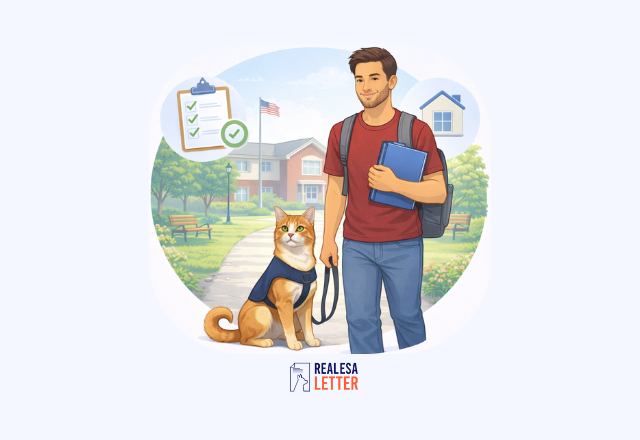
Starting community college brings excitement and challenges. For students managing mental health conditions, an emotional support animal can make the transition easier. However, understanding ESA rights at community colleges requires navigating federal housing laws and institutional policies.
Let’s explain the legal rights of community college students with ESAs, how accommodation requests work, and what to expect when living in campus housing.
Understanding ESAs in Community College Settings
Community colleges operate differently from four-year universities. Many have housing facilities where students live during their studies. These campus residences must follow federal housing laws.
An emotional support animal provides therapeutic benefits through companionship. They help students manage symptoms of anxiety, depression, PTSD, and other mental health conditions. The animal's presence alone offers comfort and stability.
Community colleges recognize ESAs under the Fair Housing Act. This federal law requires reasonable accommodations for students with documented disabilities. Your community college must allow your ESA in campus housing when properly documented.
Legal Framework for Community College ESA Rights
The Fair Housing Act protects your right to live with an ESA. This applies to community college dormitories, apartments, and other student housing. The law prevents discrimination based on disability.
Your community college cannot deny housing because you have an ESA. They must waive no-pet policies for legitimate emotional support animals. Pet deposits and monthly pet fees don't apply to ESAs.
Breed restrictions and species limitations don't affect ESA approvals. Whether you have a dog, cat, or another domesticated animal, accommodation is possible. The focus stays on your documented need, not the animal type.
ESA rights extend only to housing at community colleges. Your animal can live in your assigned dorm room or campus apartment. They provide emotional support in your private living space.
ESAs don't have access rights to classrooms, libraries, or cafeterias. The Americans with Disabilities Act doesn't classify them as service animals. Your ESA must remain in your housing unit.
Qualifying for an ESA at Community College
Not every student automatically qualifies for an ESA accommodation. You need a documented mental health condition that substantially limits major life activities.
Eligible Mental Health Conditions
Various conditions may qualify you for an ESA. These include clinical depression, generalized anxiety disorder, panic disorder, and post-traumatic stress disorder. Social anxiety, obsessive-compulsive disorder, and bipolar disorder also qualify.
Your condition must be diagnosed by a licensed mental health professional. They determine whether an ESA would alleviate your symptoms. Self-diagnosis doesn't meet community college documentation standards.
Getting Professional Documentation
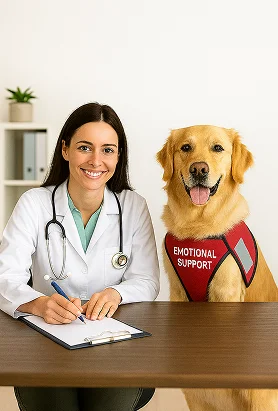
Only licensed professionals can prescribe emotional support animals. This includes psychiatrists, psychologists, licensed clinical social workers, and licensed therapists. They must hold active licenses in your state.
Your provider writes an ESA letter confirming your disability. The letter explains how the animal helps manage your condition. It doesn't need to specify your exact diagnosis.
The ESA letter must appear on official letterhead. It includes the provider's license number, type, and issuing state. Letters should be dated within the past year.
The Community College ESA Application Process
Each community college has specific procedures for requesting ESA accommodations. Following the proper steps ensures timely approval.
Contacting Disability Services
Start by reaching out to your community college's disability services office. They handle all accommodation requests, including ESAs. Schedule an initial consultation to discuss your needs.
The disability services coordinator explains your college's specific requirements. They provide necessary forms and outline documentation expectations. Ask about processing timelines and deadlines.
Required Forms and Documentation
Most community colleges require multiple documents. You'll complete an accommodation request form stating your need. A handler responsibility agreement outlines your obligations as an ESA owner.
Submit your college ESA letter from your licensed mental health professional. Include current vaccination records for your animal. Some community colleges request veterinary health certificates.
Proof of licensing may be necessary if your city requires it. Photos of your ESA help staff identify approved animals. Maintain copies of all submitted documents for your records.
Application Timeline and Deadlines
Submit your ESA request as early as possible. Community colleges need time to review documentation and arrange housing. Processing typically takes 30 days or longer.
Returning students should apply by March 1 for the fall semester. New students face July deadlines for fall enrollment. Spring semester requests are usually due by December 1.
Never bring your animal to campus before receiving official approval. Unauthorized animals must be removed immediately. This could jeopardize future accommodation requests at your community college.
Living with an ESA at Community College
Once approved, you have rights and responsibilities. Understanding both ensures a positive experience at your community college.
Your Housing Rights
Your community college assigns you housing where your ESA can live. This might be a single room, shared dorm, or campus apartment. The assignment considers your needs and available space.
Roommates receive notification about your approved ESA. They learn the animal's species and approximate size beforehand. Your community college provides anonymous reporting options if concerns arise.
You cannot be charged extra fees for your ESA. No pet deposits, pet rent, or additional cleaning fees apply. However, you're financially responsible for any damage your animal causes.
Daily Responsibilities
You're solely responsible for your ESA's care at the community college. This includes feeding, grooming, exercising, and veterinary care. The animal's well-being depends entirely on you.
Your ESA must be housebroken before arriving at community college. Dogs need regular outdoor bathroom breaks. Cats require clean litter boxes that you maintain daily.
Keep your animal leashed or in a carrier outside your room. They cannot roam community college hallways, common areas, or other students' rooms. Crate your ESA when you're not home.
Maintaining Health and Behavior Standards
Your ESA must stay current on all vaccinations. Community colleges may request updated veterinary records annually. Some require animals to be at least one year old.
Dogs should be spayed or neutered to prevent behavioral issues. Cats must be flea and tick-free. Regular grooming prevents odors and maintains cleanliness.
Your animal's behavior must meet community college standards. No excessive barking, whining, or aggressive behavior is acceptable. Destructive actions like scratching doors or chewing furniture violate policies.
Financial Obligations
While community colleges waive pet fees, you pay for damages. This includes property destruction beyond normal wear and tear. Excessive cleaning fees apply if your ESA causes unusual messes.
Pest infestations caused by your animal require professional treatment. You cover extermination costs if your ESA brings fleas or ticks. Some community colleges charge for deep cleaning after moveout.
Budget for regular veterinary care, quality food, and necessary supplies. Emergency veterinary visits can be expensive. Consider pet insurance to manage unexpected costs during your community college years.
When Community Colleges Can Deny ESAs
Community colleges must provide reasonable accommodations. However, they can deny ESA requests under specific circumstances.
Legitimate Denial Reasons
Insufficient documentation leads to denial at community colleges. Your ESA letter must meet all requirements. Expired ESA letters or those from unlicensed providers don't qualify.
If your animal poses direct threats to health or safety, denial is justified. Aggressive behavior toward people or other animals disqualifies an ESA. Community colleges prioritize campus safety.
Fundamental alteration of housing operations allows denial. If accommodating your ESA creates an undue financial or administrative burden, your community college may refuse. These situations are evaluated individually.
Removal Circumstances
Approved ESAs can be removed from community college housing. Failure to maintain the animal's health or cleanliness triggers removal. Not keeping vaccinations current violates your agreement.
Excessive disturbances result in removal from community colleges. If your ESA consistently disrupts others through noise or behavior, action follows. Property damage beyond reasonable limits requires removal.
Neglect or mistreatment of your animal justifies immediate removal. Community colleges may inspect your living space periodically. They ensure your ESA receives proper care.
Roommate and Community Considerations
Living with an ESA at community college affects others. Being considerate maintains positive relationships.
Addressing Roommate Concerns
Your community college informs roommates about your approved ESA. They can't deny your accommodation, but communication helps. Discuss care routines and address concerns proactively.
Students with severe allergies may request alternative housing. Your community college works to accommodate everyone's medical needs. Sometimes this means reassigning one person to different housing.
Keep your living space clean and odor-free. Regular cleaning prevents complaints from roommates or neighbors. Use air fresheners if needed, but maintain proper hygiene first.
Building Community Support
Be transparent with hallmates about your ESA's presence. Explain that it's a medical accommodation, not a pet. Most community college students understand mental health needs.
Address issues immediately if they arise. Don't let problems escalate at your community college. Proactive communication prevents conflicts.
Join your community college's disability advocacy groups if available. Connecting with other students who have accommodations provides support. You'll learn from their experiences navigating community college with ESAs.
State-Specific ESA Regulations
Some states have additional laws affecting ESA accommodations. Understanding your state's requirements helps you prepare properly.
California's 30-Day Rule
California requires a 30-day relationship with your mental health provider. You need multiple consultations before receiving an ESA letter. This prevents fraudulent ESA claims at California community colleges.
Your provider must document ongoing treatment for your condition. A single appointment doesn't satisfy California law. Plan accordingly if attending California community colleges.
Other State Considerations
Several states have enacted similar protective measures. These laws ensure ESA letters come from legitimate therapeutic relationships. They prevent online services from issuing letters without proper evaluation.
Check your state's current ESA regulations before attending community college. Laws continue evolving to combat fraud. Legitimate mental health professionals stay updated on requirements.
Getting a Legitimate ESA Letter at community colleges
Fraudulent ESA Letter creates problems at community colleges. Only work with licensed professionals following proper protocols.
Red Flags to Avoid
Beware of websites offering instant scam ESA registration or certification. No official ESA registry exists in the United States. These services are scams that community colleges won't accept.
Legitimate ESA letters require consultations with licensed professionals. If a service promises letters without evaluation, avoid it. Community colleges verify documentation authenticity.
Extremely cheap ESA letters often indicate fraud. While affordable options exist, suspiciously low prices suggest illegitimate services. Community colleges reject invalid documentation.
Working with Legitimate Services
Services like RealESALetter.com connect you with licensed mental health professionals. They conduct proper evaluations to determine if you qualify. Not everyone receives approval, ensuring legitimacy.
The professional discusses your mental health history and symptoms. They assess whether an ESA would benefit your specific condition. This thorough process produces documentation that community colleges accept.
Legitimate services stay current on state-specific requirements. They ensure your ESA letter meets both federal standards and state laws. This prevents issues when submitting documentation to community colleges.
Service Animals vs. ESAs at Community College
Understanding the distinction prevents confusion at your community college.
Service Animal Characteristics
Service animals are dogs trained to perform specific disability-related tasks. They help individuals with physical disabilities navigate the campus. Service animals have public access rights under the ADA.
At community colleges, service animals accompany handlers to classrooms. They enter libraries, cafeterias, and administrative buildings. Their training enables them to work in public spaces.
ESA Limitations
ESAs don't require specialized training at community colleges. They provide emotional support through companionship alone. This means they lack public access privileges.
Your ESA stays in your community college housing only. They cannot attend classes or campus events with you. This restriction applies to all ESAs, regardless of training.
Preparing for Community College with Your ESA
Planning ensures a smooth transition to community college life.
Before Arriving on Campus
Research your community college's ESA policy thoroughly. Download all required forms early. Understanding expectations prevents last-minute stress.
Ensure your animal has an appropriate temperament for community college housing. They should tolerate noise, new people, and confined spaces. Socialize your ESA if they're anxious around others.
Stock up on essential supplies before move-in day. Bring enough food for several weeks. Include cleaning supplies specifically for pet accidents or messes.
During Your Community College Experience
Maintain regular communication with disability services at your community college. Report any changes in your housing situation promptly. Update your ESA letter annually if required.
Keep detailed veterinary records throughout your community college years. Document all vaccinations, health checks, and treatments. This demonstrates responsible ownership.
Build positive relationships with resident advisors at your community college. They can help if issues arise. Showing respect for community college policies encourages their support.
Resources for Community College ESA Owners
Several organizations provide helpful information and support.
Federal Resources
The U.S. Department of Housing and Urban Development offers Fair Housing Act guidance. Their website explains reasonable accommodation requirements. These apply to community college housing.
Community College Resources
Your disability services office is your primary resource. They answer questions specific to your community college. Don't hesitate to contact them for clarification.
Many community colleges offer mental health counseling services. These counselors can help you manage your condition. They work alongside your ESA to support your wellbeing.
Mental Health Support
Maintain your relationship with your mental health provider during community college. Regular therapy sessions help you manage symptoms. Your provider can update ESA documentation when needed.
Online support groups connect ESA owners at various community colleges. Sharing experiences helps you navigate challenges. You'll learn practical tips from other students.
Making the Most of Your Community College Experience
Your ESA can significantly improve your community college experience. They provide comfort during stressful times like exams or presentations. Having them in your housing creates a sense of home.
Remember that ESAs serve a therapeutic purpose at community colleges. They're medical accommodations, not pets. Respecting this distinction helps others understand their importance.
Follow all community college policies regarding your ESA. Complete required ESA letter renewals on time. Maintain your animal's health and behavior standards consistently.
Moving Forward with Your ESA at Community College
Understanding your rights empowers you at community college. You can advocate effectively for your mental health needs. Proper documentation and responsible ownership ensure successful accommodation.
Your mental health matters as much as your education. If an ESA helps you succeed at community college, pursue the accommodation. Many students thrive academically with their emotional support animals.
Start the application process early each semester at your community college. Maintain open communication with disability services. Follow all requirements diligently.
Your community college journey can be positive and successful. With proper planning and your ESA's support, you'll navigate challenges effectively. Focus on your education while managing your mental health with confidence.
Frequently Asked Questions by Community College Students
Can My Community College Charge Pet Fees?

No. The Fair Housing Act prohibits pet deposits or rent for ESAs. However, you're responsible for damage costs. Community colleges can bill you for repairs or excessive cleaning.
Can I Have Multiple ESAs at Community College?
Some community colleges allow multiple ESAs with proper documentation. Each animal needs individual justification in your ESA letter. Most community colleges limit students to one ESA initially.
Do colleges have to accept emotional support animals?
Colleges and universities must generally accommodate emotional support animals in campus housing under the Fair Housing Act (FHA) if the student has a valid ESA letter from a licensed mental health professional.
However, ESAs are not covered under the Americans with Disabilities Act (ADA), so schools are not required to allow them in classrooms, libraries, or other public campus spaces outside housing.
Can a college counselor give an ESA letter?
Yes, a licensed college counselor can provide an ESA letter if they are legally authorized to diagnose and treat mental health conditions in your state.
The counselor must have an established therapeutic relationship with the student and determine that the emotional support animal is necessary for the student’s mental health. The letter must meet Fair Housing Act guidelines to be considered valid.
Can college dorms deny an ESA?
College dorms can deny an ESA request only under specific circumstances. A request may be denied if the documentation is invalid, the animal poses a direct threat to health or safety, causes significant property damage, or creates an undue financial or administrative burden. However, dorms cannot deny an ESA simply because they have a no pets policy.
What is the Illinois law regarding emotional support animals?
In Illinois, emotional support animals are protected in housing under the federal Fair Housing Act and the Illinois Human Rights Act.
Landlords and college housing providers must provide reasonable accommodation for students with valid ESA documentation. However, ESAs do not have public access rights under Illinois law and are limited to housing accommodations only.

WRITTEN BY
Harper Jefcoat
Harper Jefcoat is a licensed mental health professional with over a decade of experience in emotional support animal (ESA) evaluations, counseling, and ESA-related legal guidance. With a strong background in therapy and mental health advocacy, Harper has helped thousands of clients receive legitimate ESA letters while promoting emotional well-being. As the official blog author for RealESALetter.com, Harper is dedicated to educating the public on ESA benefits, laws, and mental wellness.
Share this Article