Sign In / Create Account
What Is an Emotional Support Animal?
An emotional support animal (ESA) is a companion animal that provides therapeutic comfort, emotional relief, or healing to a person with a mental health or psychiatric disability. A licensed mental health professional confirms this need in a signed letter. No special training for the animal is required.

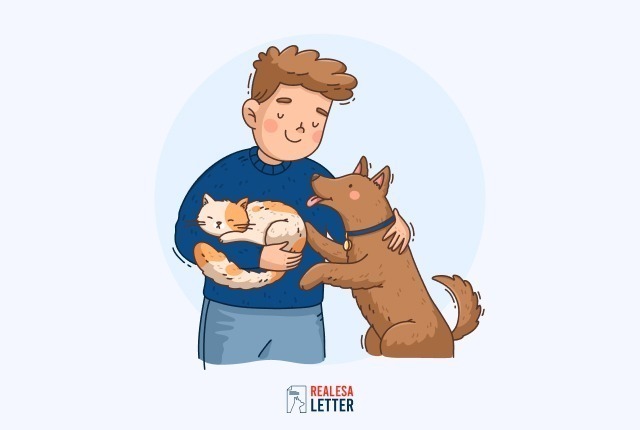
This guide covers how an ESA differs from a service animal, which animals qualify, how an ESA helps, and how to qualify.
Key Takeaways
Two Conditions Must Be Met: A disability that substantially limits a major life activity. An animal that eases at least one symptom.
No Training Required: An ESA doesn't need specific training. Its presence provides therapeutic benefits.
Housing Rules Narrowed in 2026: HUD rescinded its 2013 and 2020 ESA guidance on May 22, 2026. Only animals trained for a specific task are now automatically protected.
Air Travel Rights Ended Earlier: A 2020 DOT rule removed ESA cabin access starting January 11, 2021. Airlines now treat ESAs as pets.
No Legal Registry Exists: There is no federal ESA certification or registration system. A signed clinician's letter is the only document that carries legal weight.
What Makes an Animal an Emotional Support Animal?
An animal becomes an ESA when a licensed clinician confirms it helps with a diagnosed condition. This confirmation is documented in a signed ESA letter.
There is no restriction on species. The animal's presence is what provides the benefit, not its behavior.
RealESALetter.com connects individuals with a licensed mental health professional who can evaluate whether an emotional support animal is clinically appropriate for a diagnosed condition.
How Is an ESA Different From a Service Animal or Psychiatric Service Dog?
An ESA does not perform a trained task. It also does not have public access rights like a service animal or psychiatric service dog (PSD).
Feature | Emotional Support Animal (ESA) | Service Animal | Psychiatric Service Dog (PSD) |
Primary role | Comfort and companionship | Trained work or tasks | Trained tasks for a psychiatric disability |
Task training required | No | Yes | Yes |
Species allowed | Any domesticated animal | Dogs (miniature horses in limited cases) | Dogs |
Public access (stores, restaurants) | No | Yes | Yes |
Housing accommodation | Yes, conditions apply HUD 2026 update | Yes | Yes |
Cabin access on flights | No, treated as a pet | Yes | Yes |
A service animal is a dog trained to perform a specific task for a disability, this is defined by the Americans with Disabilities Act (ADA). A psychiatric service dog is one type of service animal. It is trained to respond to psychiatric symptoms, such as a panic attack.
A therapy animal is different again, it comforts multiple people in a clinical setting, not just one owner.
See our full ESA vs. service animal comparison and psychiatric service dog vs. ESA guide for more detail.
Does Your Pet Qualify as an ESA?
Any domesticated animal can qualify as an ESA. The only requirement is that it can be safely managed in a home.
Common qualifying animals include:
- Dogs
- Cats
- Rabbits
- Birds
- Guinea pigs
- Hamsters
- Miniature pigs
- Ferrets
The animal does not need special behavior training. It needs to be manageable and not create a disturbance. See our full list of which animals can be an ESA.
How Can an ESA Actually Help You?
Emotional support animals have multiple therapeutic benefits, here are some of them:
Less Stress
Time spent with an animal is linked to lower reported stress levels. Simple contact, like petting or holding the animal, can ease physical tension in the moment.
Less Isolation
An ESA offers steady company for someone who lives alone or struggles with social situations. That companionship can reduce the loneliness that often comes with anxiety or depression.
More Structure
Feeding, walking, and caring for an animal builds a daily routine. For someone managing depression, that routine can give a reason to get up and stay active.
Emotional Stability
An ESA's presence can ease symptoms during a hard moment, such as a panic episode or a low day. This support comes from the animal simply being there, it doesn't depend on any trained behavior.
For a deeper look into the benefits of ESA, explore our guide.
ESA and the Legal Landscape in 2026
ESA rights depend on which law applies. Housing, air travel, and public access each treat ESAs differently, and travel rules actually changed years before the 2026 housing update.
See the laws that apply to ESAs:
Housing Law
ESA housing protection narrowed on May 22, 2026. Untrained ESAs are no longer automatically protected the way they were for over a decade. FHA is still enacted, however housing accommodation requests for ESA are evaluated on a case to case basis.
- 2013–2020: FHEO-2013-01, then FHEO-2020-01. Both covered ESAs as assistance animals. 2020-01 barred fees for assistance animals.
- Sept 17, 2025: HUD withdrew both notices from HUD.gov. Part of a wider deregulation review. No new standard yet.
- May 22, 2026: Craig W. Trainor signed the memo permanently rescinding the 2020 notice.
- New standard: Only animals trained for a disability-related task now qualify. Matches the ADA service animal rule.
- What still applies: Private FHA lawsuits are still possible. The memo isn't a regulation. Some states offer broader ESA protection.
Every RealESALetter.com ESA letter is signed by a licensed clinician. It includes their license number and direct contact information, so it can be independently verified under HUD's current standard.
Check your state's ESA laws for what applies where you live. You can also read HUD's current fair housing guidance directly.
Travel and Public Access Laws
An ESA has no federal air travel protection and no public access rights. Airlines treat it as a pet, and public places like stores and restaurants are not required to admit it.
- The rule: In December 2020, DOT finalized a rule under the Air Carrier Access Act (ACAA), effective January 11, 2021.
- What it changed: The rule narrowed the ACAA's service animal definition to a dog individually trained to perform a disability-related task.
- What it means for flying: Airlines are no longer required to let ESAs fly free in the cabin. Most now apply standard pet policies and pet fees.
- What it means in public: The ADA covers only trained service animals in stores and restaurants. An ESA has no public access right, though a business may allow one at its own discretion.
What Actually Makes You Eligible for an ESA?
Two following things make you eligible for an ESA:
A Diagnosed Disability
You need a mental or emotional condition that substantially limits a major life activity, such as sleeping, concentrating, or leaving the house. This diagnosis has to come from a licensed provider, not a self-assessment.
A Disability-Related Need for the Animal
The animal must ease at least one symptom of that condition. This is what separates an ESA from a regular pet, the connection between the animal's presence and your symptoms has to be real, and a clinician has to document it.
The Steps to Get Qualified
- Meet with a licensed therapist, psychologist, or psychiatrist.
- Discuss your symptoms and daily challenges.
- Receive a signed letter confirming the diagnosis and the ESA recommendation.
For the full process, see if you qualify for an emotional support animal.
Is ESA "Certification" or Registration Real?
No. There is no federal registry or certification system for emotional support animals.
Websites selling ESA certificates, vests, or ID cards have no legal standing. The only document that matters is a signed ESA letter from a licensed mental health professional.
The Bottom Line
An ESA can offer real support for someone managing a diagnosed mental health condition. What counts as one, and how it is protected under federal law, has changed. The best next step is confirming you qualify and getting that determination in writing.
Frequently Asked Questions
Which mental health conditions are typically accepted for an ESA?

Common accepted conditions include anxiety, depression, PTSD, ADHD, OCD, and panic disorder. Any condition recognized in the DSM-5 can qualify if a licensed professional confirms it.
Can my landlord ask for proof of my disability?
Yes a landlord can request documentation of the disability and the need for the animal. They cannot ask for your specific diagnosis or medical records.
Is an ESA letter valid in every state?
Mostly yes the federal housing standard applies nationwide, but some states add extra protections or requirements. Check your state's specific ESA law before relying on a letter alone.
Can a college deny my ESA in student housing?
Possibly. Student housing is generally covered by the Fair Housing Act, and a college must still consider a reasonable accommodation request rather than refusing outright.
Can I bring my ESA to work?
Not automatically. Employers are not required to allow ESAs under the ADA, though some may permit them as a case-by-case workplace accommodation.
Can a minor or child have an emotional support animal?
Yes. There is no minimum age for an ESA. A parent or guardian usually submits the housing request and stays responsible for the animal's care.
What is the difference between an emotional support animal and a therapy animal?
A therapy animal is trained to comfort many people in places like hospitals or schools. An ESA supports one owner and needs no training.
Dr. Avery Langston is a health and wellness writer with 12+ years of experience covering ESA rights, housing laws, and mental health. As a senior contributor for RealESALetter, she helps readers understand ESA regulations and legal protections.

Darren Rafel is a licensed clinical social worker with active LCSW licenses across 13 states, including California, New Jersey, Texas, Florida, and Arkansas. He conducts ESA evaluations with direct clinical experience using pet therapy as part of mental health treatment.

Don't worry. Your pet stays with you.
Housing law is on your side
- 1A few questions. That's your paperwork
- 2A licensed therapist reviews your case
- 3Official ESA letter, ready to send
Not accepted? Full refund, guaranteed