Sign In / Create Account
What Do Service Dogs Do for Veterans?
Service dogs perform specialized, trained tasks that mitigate both visible and invisible disabilities for military veterans.

A PSD letter from RealESALetter.com gives a veteran the clinical documentation the owner-training pathway requires.
This guide covers the tasks service dogs perform. It also covers qualifying conditions and nonprofit programs and the PAWS Act and the three ways veterans get a service dog.
Key Takeaways
Trained tasks: Service dogs for veterans perform tasks like nightmare interruption and deep pressure therapy. Each task targets a specific symptom.
Qualifying conditions: PTSD and TBI and MST-related conditions qualify under the ADA. Depression and anxiety and mobility impairments also qualify.
Nonprofit programs: Several organizations place service dogs with veterans at no cost. Most require an honorable discharge and a formal diagnosis.
The PAWS Act: This 2021 law directs the VA to provide service dog training therapy. It targets veterans with PTSD.
Three pathways: Veterans get a service dog through a nonprofit program or a professional trainer or owner training. The ADA permits all three.
How Are Service Dogs for Veterans Trained to Help?
Service dogs for veterans undergo rigorous, multi-month training to perform specific tasks that address the effects of physical and psychological disabilities. Each task targets one symptom. The four most common task categories are listed below.
Anxiety and Nightmare Interruption
The dog wakes the veteran during night terrors with nudging or light pressure. This task interrupts the nightmare before it escalates. The same alert behavior works during daytime panic episodes.
Hypervigilance Redirection
The dog gives the veteran a physical anchor in crowded or open spaces. It positions itself to create distance from strangers. This buffering reduces the constant scanning that many veterans describe.
Hypervigilance and nightmares are core symptoms of post-traumatic stress. Task training for this condition follows its own protocols. Our guide on how service dogs help with PTSD covers those tasks in detail.
Deep Pressure Therapy
The dog applies its body weight across the veteran's lap or chest during acute anxiety. The pressure lowers physical arousal. Trainers teach this task on a specific command.
Mobility Support
The dog retrieves dropped items and opens doors and provides balance assistance. These tasks serve veterans with physical injuries. Many dogs combine mobility work with psychiatric tasks. Veterans whose dogs perform psychiatric tasks like these can get a PSD letter online to document the condition behind them for housing and travel.
Which Conditions Qualify Veterans for Service Dogs?
There are multiple conditions that qualify and each condition maps to specific trained tasks:
- PTSD: Nightmare interruption and grounding tasks and crowd buffering.
- Traumatic brain injury (TBI): Routine prompts and retrieval support.
- MST-related conditions: Alert tasks and physical buffering in public spaces.
- Depression: Wake-up routines and task initiation prompts.
- Anxiety disorders: Deep pressure therapy and panic response alerts.
- Mobility impairments: Balance assistance and item retrieval and door opening.
The ADA standard is the same for every condition. The condition must substantially limit a major life activity and the dog must be trained to perform tasks for it.
A formal diagnosis comes first. A licensed clinician evaluates the veteran and confirms the qualifying condition. Veterans who need this documentation for the owner-training route can get a psd letter online after a licensed professional completes the evaluation.
Diagnosis alone does not create a service dog. The dog must be individually trained for the veteran's symptoms. Untrained pets do not qualify no matter how supportive they are.
Nonprofit Programs That Provide Service Dogs for Veterans
Several nonprofit organizations place fully trained service dogs with veterans at no cost. A trained dog costs $15,000 to $50,000 to produce.
Program | Focus | Cost to Veteran |
K9s For Warriors | PTSD and TBI and MST | Free |
Canine Companions | PTSD and mobility | Free |
Pups4Patriots | Rescue dogs trained for veterans | Free |
Puppies Behind Bars | Prison-raised service dogs | Free |
Working Dogs For Vets | Combat-related disabilities | Free |
Most programs share the same eligibility criteria. Veterans need an honorable discharge and a formal diagnosis and active participation in mental health care. A stable home environment is also standard. Each program adds its own requirements so check directly before applying.
The PAWS Act and Service Dogs for Veterans
The PAWS Act, Public Law 117-37, is a 2021 federal law that directs the VA to provide service dog training therapy for veterans with PTSD. The law works in three simple parts:
- Veterans train future service dogs: The training itself is the therapy. Veterans work with dogs under professional instructors.
- Some veterans keep the dog: Graduates can adopt the dog they helped train. The dog then serves as their own service dog.
- The VA still does not buy dogs: The VA does not pay for a service dog's purchase or training. It only provides a veterinary health benefit for dogs placed through accredited agencies.
The veterinary benefit has its own rules and limits. Our guide on VA coverage for service dogs explains what the benefit includes and who qualifies.
Ways Veterans Get a Service Dog
Veterans get a service dog through three ways and the ADA permits all three pathways. Each one trades cost against time.
Nonprofit Program Dog
A program dog arrives fully trained at no cost. Waitlists run one to three years at most organizations. Eligibility screening is strict. This pathway suits veterans who meet program criteria and can wait.
Professional Training
A private trainer prepares the dog for the veteran's specific tasks. This route is faster than a program waitlist. It is also the most expensive option. Costs vary widely by trainer and task complexity.
Owner Training
The ADA allows handlers to train their own service dogs. This pathway costs the least and takes the most personal effort. Our guide on whether you can train your own psychiatric service dog walks through the process and the standards the dog must meet.
Owner training starts with clinical documentation. A psychiatric service dog letter confirms the qualifying condition from a licensed professional.
Every RealESALetter.com PSD letter for a veteran includes the clinician's state license number and issue date and direct contact information so programs and landlords can verify the evaluation independently.
When an ESA Fits a Veteran Better
An emotional support animal fits when a veteran needs companionship rather than trained tasks. A service dog is task-trained and has ADA public access rights. An ESA provides comfort and is protected in housing only. Some veterans start with an ESA and move to a service dog later. Our guide on emotional support animals for veterans explains that option in full.
Conclusion
A service dog gives a veteran trained support for the symptoms that disrupt daily life. The right pathway depends on eligibility and budget and how long you can wait. Every pathway starts the same way with a clinical evaluation that confirms a qualifying condition. You can start your PSD letter evaluation online and get matched with a licensed clinician in your state.
Frequently Asked Questions
Are service dogs free for veterans?

Yes. Nonprofit programs place dogs with veterans at no cost. A trained dog costs $15,000 to $50,000 to produce so programs run waitlists.
How long does it take for a veteran to get a service dog?
Most nonprofit programs have waitlists of one to three years. Owner training takes one to two years of consistent work.
Can a veteran train their own service dog?
Yes. The ADA allows handlers to train their own service dogs. The dog must be task-trained for the veteran's condition.
Does the PAWS Act give veterans a service dog?
Not directly. The PAWS Act directs the VA to run service dog training therapy programs for veterans with PTSD.
What discharge status do veteran service dog programs require?
Most programs require an honorable discharge. Programs also require a formal diagnosis and active mental health care.
Do veterans need a PSD letter to get a service dog?
No law requires one. A PSD letter from a licensed clinician documents the qualifying condition and helps in housing and program applications.
Sarah Connell is a Mental Health Writer (M.S.) with extensive expertise in psychiatric wellness and behavioral health writing. She specializes in the research and documentation of Psychiatric Service Dogs (PSDs) and their role in mental health support. With a deep commitment to mental health awareness and advocacy, Sarah is passionate about helping people understand their PSD rights, benefits, and responsibilities clearly and simply at RealESALetter.
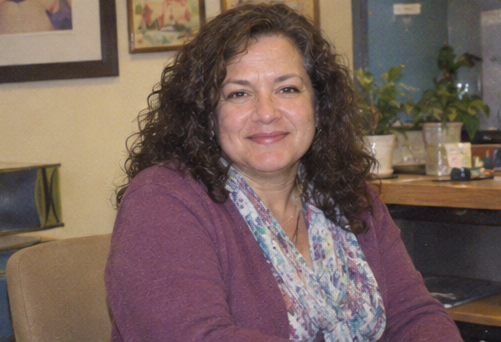
Precious L. is a Licensed Mental Health Counselor (LMHC) and qualified supervisor whose work centers on trauma-informed care, family systems, relationship health, and emotional adjustment.

Wherever you travel, your dog goes with you.
Trained, documented, federally protected
- 1A few questions. That's your paperwork
- 2A licensed therapist reviews your case
- 3Official PSD letter, ready to send
Not accepted? Full refund, guaranteed