


Hurricane season in Florida brings strong winds, flooding, and sudden evacuation orders.
For ESA owners, these storms require more than basic preparation. Your emotional support animal depends on you for safety, and you rely on them for comfort during stressful moments. That means you must plan, gather the right supplies, and understand where your ESA is allowed during an emergency.
Let’s look at how to prepare your ESA for hurricanes in Florida, from emergency kits to shelter options and safe evacuation.
Why Planning Matters Especially with an ESA
Hurricanes affect ESAs differently than regular pets because they play a key emotional role in your daily life. Sudden noise, changes in routine, or evacuation can cause fear and confusion, making them more likely to hide, panic, or try to escape.
At the same time, you may depend on your ESA for stability during stressful moments, which makes keeping them safe even more important. Planning helps reduce these risks and ensures your ESA stays protected and calm throughout the storm.
ESAs are often more attuned to their owners' emotional state, meaning your anxiety during a hurricane can amplify their distress. Unlike service animals trained for crisis situations, ESAs lack emergency preparedness training and rely entirely on your planning.
According to the Florida Climate Center, the state averages multiple hurricanes per decade, with peak season running from August through October. This predictable pattern means Florida ESA owners must prepare annually, not just react when storms approach.
Losing your ESA during evacuation can worsen mental health symptoms like separation anxiety, depression, or panic attacks when you need support most. Having a clear plan prevents last-minute decisions that lead to mistakes like leaving supplies behind or choosing unsafe shelter options.
Emergency responders and shelter staff may not understand ESA rights under the Fair Housing Act. Having proper documentation ready helps you advocate for your ESA's inclusion in emergency housing. Some disaster shelters have specific ESA accommodation procedures that differ from pet policies, so research these beforehand.
Pre-Storm: What to Do Ahead of Hurricane Season
Preparing before a hurricane is the most effective way to keep your ESA safe during Florida’s storm season. Early preparation gives you time to gather documents, organize supplies, and choose safe evacuation options before conditions become dangerous.
1. Update Identification & Documentation
- Make sure your ESA wears a collar with an ID tag listing your current contact information.
- Microchip your ESA (if not already) and verify the ESA registration is up-to-date. This greatly increases the chances of reunion if you get separated.
- Keep a recent photo of you and your ESA together; store it both digitally (phone/cloud) and in printed form, along with vaccination and medical records.
Get Housing Approval Before Hurricane Season
Many Florida residents live in condos, HOAs, or rentals with pet restrictions. If you rely on an ESA, request written accommodation approval before a storm. During an evacuation, you may need to stay in temporary housing, and pre-approved ESA documentation prevents disputes with landlords or managers at the worst possible time.
2. Build a Pet / ESA Emergency Kit
Pack a sturdy, easy-to-carry “go-kit” for your ESA. It should contain:
- Food and bottled water (enough for at least 1–2 weeks)
- Any medications your ESA needs, plus a copy of prescriptions/medical records.
- Comfortable carrier or crate (big enough for your pet to stand and turn comfortably), leash/harness, and ID-tagged carrier or label.
- Extra supplies: blanket or favorite object (to reduce stress), medical/first-aid kit, cleaning/waste bags or litter, toys or calming items.
- Copies of vet records and a photo of you with your ESA (proof of ownership).
3. Identify Safe Places & Evacuation Options
- Not all shelters accept pets, but under the Pets Evacuation and Transportation Standards Act (PETS Act), service animals are allowed in federally assisted shelters.
- If your ESA does not qualify as a service animal, find pet-friendly hotels, friends/neighbors outside the danger zone, or boarding options ahead of time.
- Prepare a list of these places and include phone numbers, addresses, and rules (size, species, and how many pets allowed). Keep this with your emergency kit and in a place you can access quickly.
- Consider a backup caretaker (friend or family) who agrees to take your ESA if you cannot. Provide them with your kit and clear instructions.
Understand Public Shelter Rules in Florida
Most general public shelters in Florida are not required to accept pets or ESAs. These shelters primarily prioritize human safety and service animals. ESA owners should not expect guaranteed entry.
Locate Pet-Friendly Shelters Early
Florida counties often designate pet-friendly shelters, but space is limited and usually first-come, first-served. Research these locations before the season begins and confirm whether they accept ESAs, pets only, or both.
Special Needs Shelters
If you have medical needs, you can register for Florida’s Special Needs Shelter program. Service animals are always permitted, but ESA acceptance varies by county. Always call ahead and confirm.
4. Plan & Practice Evacuation
- Run a “dry rehearsal” evacuation with your ESA so they get used to carriers, crates, the car, or a leash. This reduces panic during a real event.
- Keep a leash or harness, a carrier, and a go-kit near your exit for quick access.
- Make sure your plan is realistic, and each adult in your household knows their role (who grabs what, who holds the ESA, who drives, etc.).
How to Keep Your ESA Safe During a Hurricane or Evacuation
If you decide or are told to evacuate:
- Take your ESA with you; do not leave them behind. It's dangerous for both you and them.
- Use a carrier or leash to keep your ESA secure. Label carriers clearly with your information and ESA's info, so if separated, there's a chance of reunion.
- Keep them calm, bring a familiar blanket or toy, and avoid loud noises or stress triggers. Your calm helps them remain calm.
- If sheltering in place (staying home): choose a safe, window-free room, preferably interior and secure. Keep your ESA indoors throughout.
- Keep your ESA's medical records, vaccination papers, and Florida ESA letter in a waterproof bag.
- Bring at least a week's worth of food, medications, and water in case supplies run short.
- Pack a first-aid kit specifically for your animal, including bandages, antiseptics, and prescription medications.
- Identify pet-friendly hotels or shelters along your evacuation route before you leave.
- Have backup shelter options ready since some emergency shelters may not accept animals.
- Keep your phone charged and store emergency contact numbers for local veterinarians and animal services.
- Maintain a soothing voice during transport and avoid sudden movements that could increase stress.
What to Do for Your ESA After the Hurricane Passes
Once the hurricane passes:
- Check your ESA for injuries, signs of stress, or trauma. Offer comfort and reassurance.
- Provide clean water and safe food. Avoid letting them drink flood water; it might be contaminated.
- If you're separated from your ESA, use microchip ID, tags, and your photo to help reunite. Contact local shelters, vets, and post on social media if needed.
- Return to routine slowly. Storms can be traumatic. Provide comfort, maintain the feeding schedule, and monitor for any behavior or health issues.
- Inspect your home for hazards like debris, exposed wires, and broken glass before allowing your ESA to roam freely.
- Watch for changes in appetite, lethargy, or unusual behavior that may indicate hidden injuries or distress.
- Contact your veterinarian immediately if your ESA seems disoriented or refuses to eat.
- Keep windows and doors secured during cleanup to prevent your ESA from escaping.
- Document any injuries or property damage for insurance purposes and keep all veterinary receipts.
- Be patient, as some animals experience delayed stress responses days after the event.
Special Note: ESAs, Service Animals & Shelter Access
During hurricanes, shelter rules can vary, and ESA owners must understand these policies before an evacuation. Florida ESA law does not guarantee the same access rights that service animals receive, which is why knowing local shelter rules is essential.
While service animals are protected under federal law, ESAs do not receive automatic entry during emergencies. This makes it important to confirm shelter policies ahead of time and plan where your ESA can stay during an evacuation.
The points below explain how the PETS Act applies, what shelters may require, and the backup options ESA owners should prepare before storm season begins.
- Under the PETS Act, federally funded shelters and evacuation plans must accommodate service animals.
- However, ESAs (emotional support animals) are not always considered “service animals” under the law. That means some shelters may not accept them.
- Because of this, if you have an ESA, plan carefully. Before storm season, check whether your local shelters accept ESAs, or prepare alternate arrangements (pet-friendly hotels, trusted friends/family, boarding).
- Proper ESA documentation (letter from a mental-health professional, ID tags, medical records) may help, but never assume a shelter will accept ESAs.
Legal Protection Against Abandonment (Trooper’s Law)
Florida’s Troopers’ Law makes it a third-degree felony to restrain or abandon an animal during a natural disaster. Penalties can include up to five years in prison and $10,000 in fines. This law reinforces why every ESA owner must include their animal in their evacuation plan.
Owner Liability During Disasters
ESA owners remain legally responsible for any damage or injury their animal causes during evacuation, transport, or sheltering. Keeping your ESA secured, calm, and properly supervised helps prevent incidents.
In final thoughts, if you live in Florida and depend on an ESA, treating them as a full family member in your hurricane plan is key. Planning, having identification and records ready, preparing an emergency kit, and knowing a safe place for both you and your ESA can make all the difference. When storms hit, panic works against you, but being prepared helps you stay calm and keep your ESA safe.
Preparing ahead of hurricane season is essential for both you and your emotional support animal. Ensuring you have proper documentation, an emergency plan, and a safe evacuation strategy can make a stressful situation far more manageable.
Many people also ask what is the best emotional support animal certification online, but it’s important to remember that legitimate ESA status comes from a valid ESA letter issued by a licensed mental health professional, not from simple online certificates or registrations.
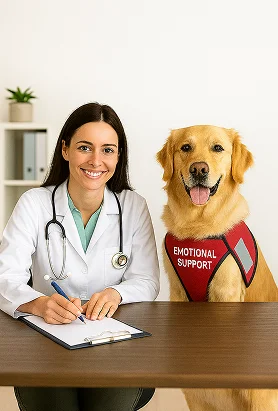
If you need a legitimate ESA letter before hurricane season, RealESALetter.com connects you with licensed mental-health professionals who can provide compliant documentation and support. Having a valid letter on hand ensures your ESA’s needs are clearly documented during emergencies and evacuations.

WRITTEN BY
Dr. Avery Langston
Dr. Avery Langston is a licensed clinical therapist with more than 12 years of professional experience in emotional support animal (ESA) assessments, mental health counseling, and evidence-based therapeutic interventions. With a strong foundation in clinical psychology and a passion for mental-health education, Avery has guided thousands of individuals through the ESA qualification process while promoting emotional healing and stability. As a senior content contributor for RealESALetter.com, Avery focuses on writing accurate, accessible, and legally informed articles on ESA rights, housing protections, and mental wellness. Her mission is to help readers understand their ESA benefits clearly and confidently, backed by real clinical expertise.
Share this Article