Sign In / Create Account
Psychiatric Service Dog: What It Is, How to Qualify, & What Your Rights Are
A psychiatric service dog is a service dog individually trained to perform tasks that help a person manage a mental health disability. To qualify for one, you need a diagnosed mental health condition that substantially limits a major life activity, and a dog trained to perform specific tasks that reduce your symptoms. Under the Americans with Disabilities Act, a psychiatric service dog can accompany you into public places where pets are not allowed.

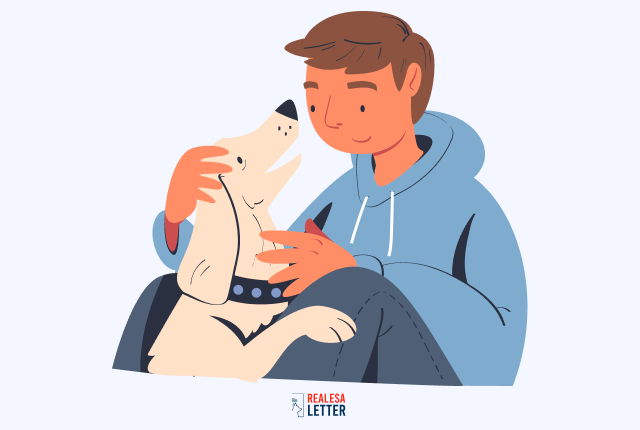
Let’s dive into the details of their roles, rights, and how you can get one.
Key Takeaways
A PSD is defined by task training, not comfort. A psychiatric service dog is individually trained to perform tasks that help reduce a mental health disability. Common tasks include deep pressure therapy, interrupting harmful behavior, and prompting medication.
Qualifying takes two things. You need a diagnosed condition that substantially limits a major life activity. You also need a dog trained to perform tasks for that condition. A diagnosis alone is not enough.
No certification or registry exists. There is no federal PSD registry. Certificates sold online carry no legal weight. Only the dog's task training matters.
Three laws cover three places. The ADA covers public spaces. The Fair Housing Act covers housing, with no pet fees or breed limits. The Air Carrier Access Act covers cabin travel at no charge.
Temperament outweighs breed. Labradors, Golden Retrievers, Poodles, and German Shepherds are common picks. The real factors are calmness, focus, trainability, and bond with the handler.
How Psychiatric Service Dogs Help People with Mental Health Disabilities
PSDs perform individualized tasks to mitigate the symptoms of conditions like PTSD, severe anxiety, depression, bipolar disorder, and schizophrenia. Common tasks include:
- Deep Pressure Therapy: The dog applies physical weight by resting its head or lying on the handler to calm panic attacks or anxiety spikes.
- Behavioral Interruption: The dog nudges, licks, or paws the handler to disrupt harmful behaviors, manic episodes, or night terrors.
- Barrier/Blocking: In crowded places, the dog creates a physical buffer between the handler and others to alleviate social anxiety or paranoia.
- Medication Reminders: The dog physically prompts the handler to take medication or fetches it during emergencies.
- Room Searches: For handlers with PTSD, the dog enters and checks rooms ahead of the handler to ensure safety.
- Graceful Exit: The dog guides the handler away from overwhelming environments toward a calm and safe space.
Once your dog is trained for tasks like these, a licensed clinician can evaluate your condition and issue a PSD letter online to support housing requests.
Why Psychiatric Service Dogs Matter for Invisible Disabilities
Mental health conditions are often called invisible disabilities because they aren’t always obvious to others. Yet, they can severely affect daily life, from concentrating at work to managing relationships or handling routine tasks.
Under laws like the ADA, these conditions qualify as psychiatric disabilities when they substantially limit major life activities. Importantly, it’s not just the diagnosis that matters; the individual must also benefit from a dog trained to perform specific tasks that reduce the impact of their condition.
Psychiatric service dogs (PSDs) fill this gap by providing practical, task-based support. They help people with invisible disabilities function more safely and effectively in daily life.
For example, someone with PTSD in a crowded store may feel overwhelmed. A service dog for PTSD can sense distress, interrupt escalating anxiety, create space, and guide their handler back to calm.
Qualification requires a DSM-recognised condition that substantially limits a major life activity. For the full conditions list and what the clinician assesses, read our Psychiatric service dog letter guide →
What are the Psychiatric Service Dog Tasks that are Trained To Do?
Psychiatric service dogs are highly trained working animals that perform specific tasks to reduce the impact of psychiatric disabilities and improve daily life. One of the most common tasks is grounding and calming, where the dog applies deep pressure therapy during panic attacks or dissociation episodes.
They are also trained in interrupting harmful behaviors, distracting the handler from self-harm or compulsive actions before they escalate. Many psychiatric service dogs provide medication reminders, alerting at scheduled times or retrieving medications to support treatment adherence.
Additionally, they offer symptom alerting, recognizing early signs of anxiety, flashbacks, or mood shifts and responding to help the handler regain stability.
The ADA permits owner-training. For a full comparison of self-training vs professional training, read Can I Train My Own PSD? →
What Are the Federally Protected Rights of Psychiatric Service Dogs?
Psychiatric service dogs are recognized as service animals under U.S. federal law. Several laws work together to guarantee their access rights and protect handlers from discrimination in public, housing, travel, and education.
For housing, a PSD handler whose disability is not obvious can document the disability-related need with a note from a licensed mental health professional, which supports a reasonable-accommodation request under the Fair Housing Act.
Public Access Rights Under ADA
Under the Americans with disabilities Act (ADA):
- Mental health assistance dogs must be allowed in all public places.
- Religious institutions are exempt, as the ADA does not apply to them.
- Staff may only ask two questions if it is not obvious that the dog is a service animal:
- Is the dog a service animal required because of a disability?
- What work or task has the dog been trained to perform?
- They cannot require documentation, medical records, fees, or an emotional support animal certification or service dog certification as a condition of entry.
- PSDs must remain under control and may be removed if they become disruptive or unsafe.
The most common place where handlers hit friction is restaurants, where a PSD's trained task usually isn't visible to staff. A psychiatric service dog is fully permitted in any restaurant, café, or bar open to the public.
For how the two-question rule works at the door, see our guide on whether psychiatric service dogs are allowed in restaurants.
Housing Rights For PSD Handlers Under FHA
Under the Fair Housing Act (FHA):
- Landlords and housing providers must allow PSDs even in properties with “no pets” policies.
- Pet deposits, pet rent, and breed restrictions do not apply to service dogs.
- Landlords may request a healthcare professional’s note for PSD need, but not training records or certification.
- These protections apply to apartments, condos, dorms, and other residential settings.
Travel Rights and Protections for PSD Owners
Under the Air Carrier Access Act (ACAA):
- Airlines must protect the rights of people with disabilities and their service animals.
- Airlines must allow PSDs to travel in the cabin with their handler at no extra fee.
- Airlines may require the Department of Transportation Service Animal Air Transportation Form, which confirms the dog’s training and behavior.
- PSDs must fit safely at the handler’s feet or lap without blocking aisles.
- Boarding may be denied if the dog is aggressive, unsafe, or out of control.
- International travel may need health certificates, vaccination proof, or quarantine documents, depending on destination rules.
School Policies on PSD Access
- Under Title II of the ADA and Section 504 of the Rehabilitation Act, a student with a disability who uses a task-trained service dog has the right to be accompanied by it at a public school. This access right does not depend on an IEP or a Section 504 team's decision.
- IDEA governs special education and IEPs (a free appropriate public education), not the service-animal access right itself, though a student may be covered by all three laws at once.
- Schools may set reasonable rules to ensure safety, but cannot deny access without a valid legal basis.
- Policies may vary by state or district, and case-by-case decisions are sometimes required.
Is Certification and Registration Required for a PSD?
No, there is no official federal registry or certification for psychiatric service dogs.
Websites or companies selling “official PSD certificates” are not legally recognized. What matters is that the dog is individually trained to perform tasks that mitigate the handler’s psychiatric disability.
How to Select a Psychiatric Service Dog
Choosing the right psychiatric service dog is about more than picking a pet. The process requires evaluating temperament, suitability, and the ability of a dog to handle the demands of service work.
Psychiatric Service Dogs Traits
Temperament matters more than breed. The ideal PSD should be:
- Calm and steady, not easily startled
- Confident and adaptable in new environments
- Focused and eager to learn
- Able to bond strongly with their handler
While breed isn't the only factor, certain dogs consistently demonstrate these qualities. Learn more about breed-specific suitability, including whether American Bullies make good service dogs, in our detailed breed guides.
Psychiatric Service Dog Breeds to Consider
While almost any breed can serve as a PSD if the dog has the right temperament, some are especially well-suited due to their size, intelligence, and trainability. Popular psychiatric service dog breeds include:
- Labrador Retrievers
- Golden Retrievers
- Standard Poodles
- German Shepherds
- Border Collies
- Boxers
- Cavalier King Charles Spaniels
Some handlers ask about large guardian breeds like Caucasian Shepherds and Presa Canarios for severe PTSD. These suit only for highly experienced handlers. They are powerful, strong-willed, and bred to guard, which makes the calm, non-reactive behavior of public access work demands hard to achieve without extensive professional training and early socialization.
Both breeds also appear often on landlord breed-restriction and insurance exclusion lists. A task-trained service dog is protected under the ADA and FHA regardless of breed, but a dog that can't behave reliably in public can still be removed for being out of control. For most handlers, the calmer breeds listed above, such as Labradors, Golden Retrievers, and Standard Poodles, are the safer and more practical choice.
Smaller breeds can also work well for tasks like medical alerting, grounding during panic attacks, or support in confined spaces. A Cavachon, for example, is gentle and compact, which suits psychiatric work in smaller living spaces. Less common breeds like the Black Mouth Cur can excel too, especially for handlers who want a capable, loyal working dog.
Ultimately, every dog should be evaluated as an individual for health, temperament, and trainability, rather than on breed reputation alone.
Once you have your dog, you'll need a PSD letter to access housing protections and document your handler eligibility.
Are You Thinking About Getting a Psychiatric Service Dog?
If you’re wondering where to get a PSD, it’s important to know that these animals provide more than companionship. They are specifically trained to help people with conditions like PTSD, severe anxiety, depression, and social phobias by performing tasks that ease daily challenges.
Because of the essential role they play, PSDs are protected by federal law. They are allowed in public spaces, exempt from housing restrictions, and permitted on flights, so their handlers never have to face separation from the support they rely on.
If you're considering a psychiatric service dog, a RealESALetter.com PSD letter is issued by a state-licensed mental health professional and documents the disability-related need that the Fair Housing Act relies on for a housing accommodation. The clinician evaluates whether a psychiatric service dog is appropriate for your condition before issuing it.
Only Licensed Mental Health Professionals with an active state license can issue a valid PSD letter. See the full credentials list →
Frequently Asked Questions
What qualifies a person for a psychiatric service dog?

A person may qualify if they have a diagnosed psychiatric disability that limits daily life, and the dog can perform tasks that help manage symptoms.
What is the best dog for a psychiatric service dog?
There isn’t one “best” breed, but good PSDs share traits like calmness, intelligence, and eagerness to work. Common choices include Labrador Retrievers, Golden Retrievers, Poodles, and Collies because they are trainable, gentle, and bond strongly with their handler. However, the right match depends more on the dog’s temperament than its breed.
Which professionals can recommend a psychiatric service dog?
A psychiatric service dog from a doctor or other licensed professional, such as a psychiatrist, psychologist, or therapist, may be recommended as part of treatment. They confirm a person’s qualifying mental health condition and ensure a trained dog can manage symptoms through tasks.
What’s the difference between a PSD and an ESA?
The main difference between a PSD and ESA is the same as the difference between ESA and service animal. A PSD is task-trained and has full public access rights. While an ESA provides comfort only and has housing rights but no public access.
Can I train my own psychiatric service dog?
Yes. Under the ADA, self-training is legal, though professional help may be needed for public access reliability.
Where are psychiatric service dogs allowed to go?
Under the ADA, psychiatric service dogs can legally access restaurants, hotels, schools, stores, and public transportation. They’re allowed in housing under the Fair Housing Act and on airplanes, though some restrictions may apply.
Dr. Alex Morgan is a specialized writer focusing on animal assisted therapy, ESA rights, and psychiatric service dogs. With extensive research experience, he helps readers navigate ESA and PSD documentation and understand service animal rights accurately at RealESALetter.

Tina Logan is a Licensed Marriage and Family Therapist with 20+ years of clinical experience and an active California Board of Behavioral Sciences license. She conducts ESA and psychiatric service dog evaluations for RealESALetter assessing whether an ESA or task-trained PSD is clinically appropriate.

Wherever you travel, your dog goes with you.
Trained, documented, federally protected
- 1A few questions. That's your paperwork
- 2A licensed therapist reviews your case
- 3Official PSD letter, ready to send
Not accepted? Full refund, guaranteed