Sign In / Create Account
What Are Autism Service Dog Tasks?
Autism service dogs are individually trained to perform specific tasks like deep pressure therapy, behavior interruption and crowd blocking. These tasks directly help manage sensory overload anxiety and safety risks.

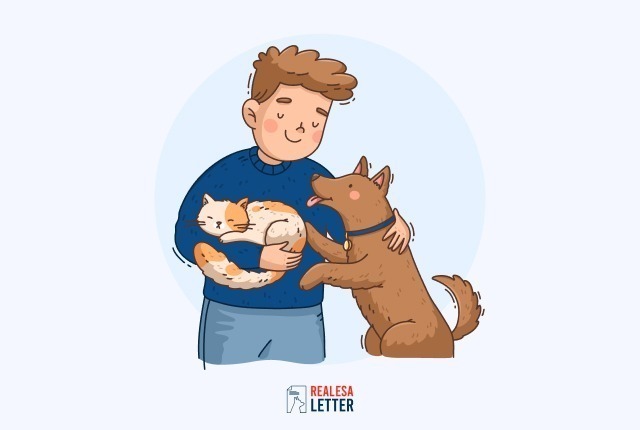
This guide lists the tasks by category. It also covers how a person qualifies for a psychiatric service dog under this standard.
An autism-specific PSD letter from RealESALetter.com confirms which trained tasks apply to a person's disability.
Key Takeaways
Comfort Alone Does Not Qualify: The dog must perform a specific trained task. Presence alone is not a task.
Tasks Fall Into Three Categories: Sensory and meltdown tasks. Safety and navigation tasks. Daily living tasks.
Two Conditions Must Be Met: A disability that substantially limits a major life activity. A task that eases at least one symptom.
One Task Can Be Enough: The ADA sets no minimum number of tasks. A single qualifying task meets the standard.
A Licensed Provider Confirms Qualification: A mental health professional or physician verifies the disability. The same provider identifies the qualifying task.
Autism Service Dog Tasks: Sensory and Meltdown Cluster
These tasks help an autistic person calm down during sensory overload or a meltdown.
Deep Pressure Therapy
Deep pressure therapy is steady weight applied to the handler's body. The dog lies across the lap or chest. This calms the nervous system during overload or a developing meltdown.
Tactile Grounding
Tactile grounding uses touch to bring a person back to the present moment. The dog nudges or licks the handler gently. This can interrupt a shutdown or a dissociative moment.
Behavior Interruption
Behavior interruption stops a harmful repetitive action. The dog nudges the handler or paws at them. This can stop head-banging or other self-harm behavior before it escalates.
These three tasks match the minimum task standards set for psychiatric service dogs.
Autism Service Dog Tasks: Safety and Navigation Cluster
These tasks keep an autistic person safe in public and during elopement risk.
Tether Anchoring
Tether anchoring links the dog to the person with a harness. The dog is trained to anchor its weight. This helps prevent an autistic child from bolting into traffic or away from a caregiver.
Scent Tracking
Scent tracking trains the dog to follow a person's scent trail. This helps find a handler who has wandered off. It gives families a faster way to locate an elopement-prone child.
Crowd Blocking and Buffering
Crowd blocking creates space around the handler in a busy area. The dog positions itself in front of or behind the person. This reduces jostling and social overwhelm in crowds.
Room Search and Clear
Room search means the dog checks a space before the handler enters. The dog moves ahead and signals if something is off. This can lower anxiety tied to unfamiliar or unpredictable rooms.
Autism Service Dog Tasks: Daily Living and Independence Cluster
These tasks support routines and independence at home and in daily life.
Medication and Meal Reminders
Medication and meal reminders alert the handler at a set time. The dog nudges the handler or brings an item at that moment. This supports a routine that can be hard to track.
Item Retrieval
Item retrieval means the dog picks up and carries dropped objects. This includes keys, medication, or a phone. It reduces frustration tied to fine motor or attention challenges.
Transitions Support
Transition support helps a person move between settings. The dog acts as a steady familiar presence. This can ease the shift into a classroom, a doctor's office, or a new environment.
For a broader task list that applies beyond autism, see what tasks does a psychiatric service dog perform.
What Makes a Task Count as Service Dog Work?
A task counts as service dog work when it is trained and tied directly to a disability. The Americans with Disabilities Act sets this standard for every service dog, including one trained for autism-related needs.
The dog cannot just offer comfort by being present. It must do something specific. Not every dog needs every task since training matches the tasks to the person's own challenges.
A psychiatric service dog letter records which of these tasks apply to a specific person. A PSD letter online is issued by a licensed provider after this kind of evaluation.
How Do Autism Service Dog Tasks Differ for Adults and Children?
Tasks differ mainly in who handles the dog. An autistic child usually works with a caregiver as part of a three-person team. An autistic adult usually handles the dog directly.
- Child team: The dog, the guardian, and the child work together. The guardian is often the primary handler.
- Adult team: The adult gives commands and handles public access alone. Tasks often shift toward daily independence.
How Do You Qualify for an Autism Service Dog?
Qualifying for an autism psychiatric service dog follows two main steps.
Disability Determination.
A licensed mental health professional or physician confirms that autism substantially limits a major life activity under the ADA standard.
Task-need Documentation.
The same provider identifies which specific trained tasks address that limitation.
A diagnosis of autism alone does not meet this standard. The determination must tie the disability to a specific task, not just a label.
Every RealESALetter.com PSD letter for autism-related needs includes the clinician's ADA disability determination. It also lists the specific trained tasks and the clinician's state license number.
A psychiatric service dog letter records this determination along with the trained tasks. This letter is different from a general prescription note. Not every provider can write one.
Is an Autism Service Dog a PSD or an ESA?
An autism service dog that performs trained tasks is a psychiatric service dog. It is not an emotional support animal.
An emotional support animal offers comfort through presence alone. It does not need task training. A psychiatric service dog must perform a specific trained task tied to the disability. See a full comparison in psychiatric service dog vs emotional support animal.
Conclusion
Autism service dog tasks range from calming the nervous system to keeping a person safe in public. Each task must be trained and tied to a real disability-related need. Qualifying starts with a licensed provider's written determination, not a diagnosis alone.See if your situation qualifies for a PSD letter.
Frequently Asked Questions
What is the most common task an autism service dog performs?

Deep pressure therapy is the most common task. The dog applies weight to calm the nervous system during overload.
Can any dog become an autism service dog without training?
No. A dog must be individually trained in a specific task. An untrained dog does not meet the ADA standard.
Does a PSD for autism need public access rights?
Yes. A task-trained psychiatric service dog has the same public access rights as any other service dog under the ADA.
What tasks qualify a dog as a PSD instead of a pet?
Tasks like interrupting a meltdown, alerting to elopement, or retrieving medication qualify a dog as a PSD. A pet performs none of these on command.
How many trained tasks must a dog know to qualify as an autism PSD?
There is no set number. Even one task tied to the disability can qualify the dog under the ADA standard.
Can an emotional support animal perform the same tasks as a psychiatric service dog for autism?
No. An ESA is not trained to perform tasks like a psychiatric service dog for autism. It provides comfort through presence only.
Do an autism service dog's tasks change as the handler gets older?
Yes. Tasks often shift from caregiver-assisted work in childhood toward direct handling and independence in adulthood.
Sarah Connell is a Mental Health Writer (M.S.) with extensive expertise in psychiatric wellness and behavioral health writing. She specializes in the research and documentation of Psychiatric Service Dogs (PSDs) and their role in mental health support. With a deep commitment to mental health awareness and advocacy, Sarah is passionate about helping people understand their PSD rights, benefits, and responsibilities clearly and simply at RealESALetter.
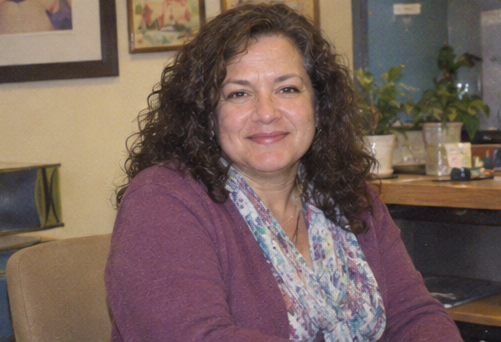
Precious L. is a Licensed Mental Health Counselor (LMHC) and qualified supervisor whose work centers on trauma-informed care, family systems, relationship health, and emotional adjustment.

Wherever you travel, your dog goes with you.
Trained, documented, federally protected
- 1A few questions. That's your paperwork
- 2A licensed therapist reviews your case
- 3Official PSD letter, ready to send
Not accepted? Full refund, guaranteed